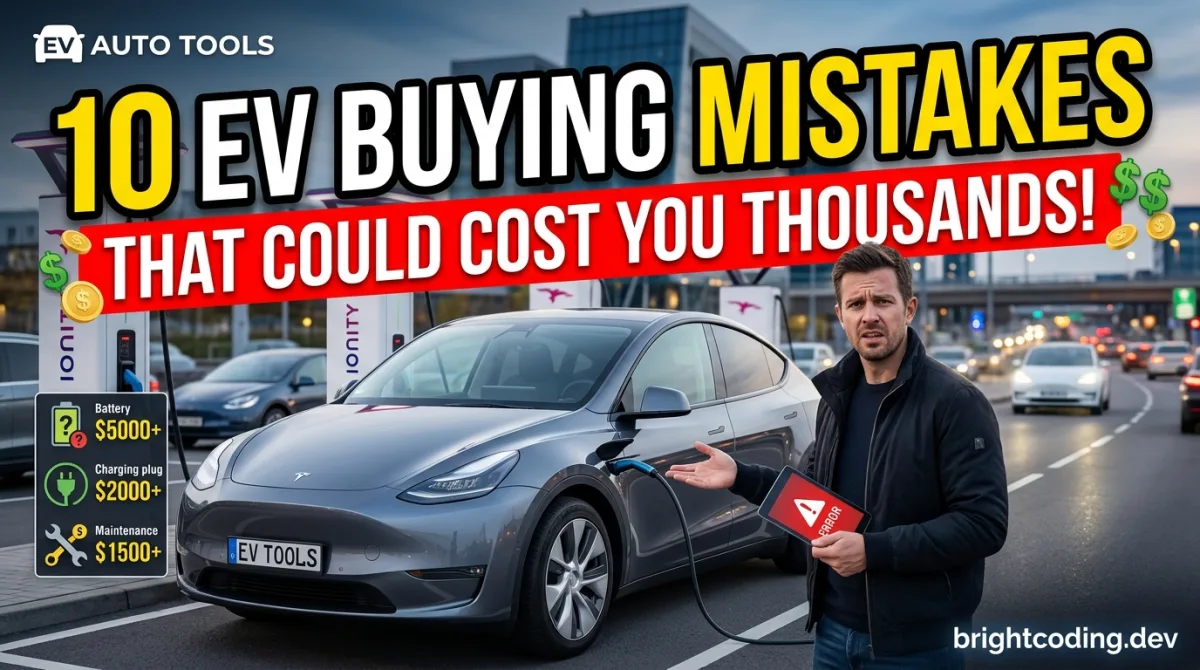
Buying an electric vehicle without calculating total ownership expenses can easily wipe out $12,500 through hidden depreciation, aggressive utility tariffs, and lost tax incentives. A shiny window sticker frequently masks massive long-term operating fees that catch unprepared drivers off guard.
Smart vehicle shoppers avoid these costly traps by evaluating battery architecture, insurance groups, and home charging setup costs long before signing sales paperwork. Taking a data-driven approach transforms potential financial headaches into guaranteed long-term savings over a standard five-year ownership cycle.
Let us look at how a calculated buying strategy compares against a typical impulse purchase across key financial metrics.
Head-to-Head Comparison
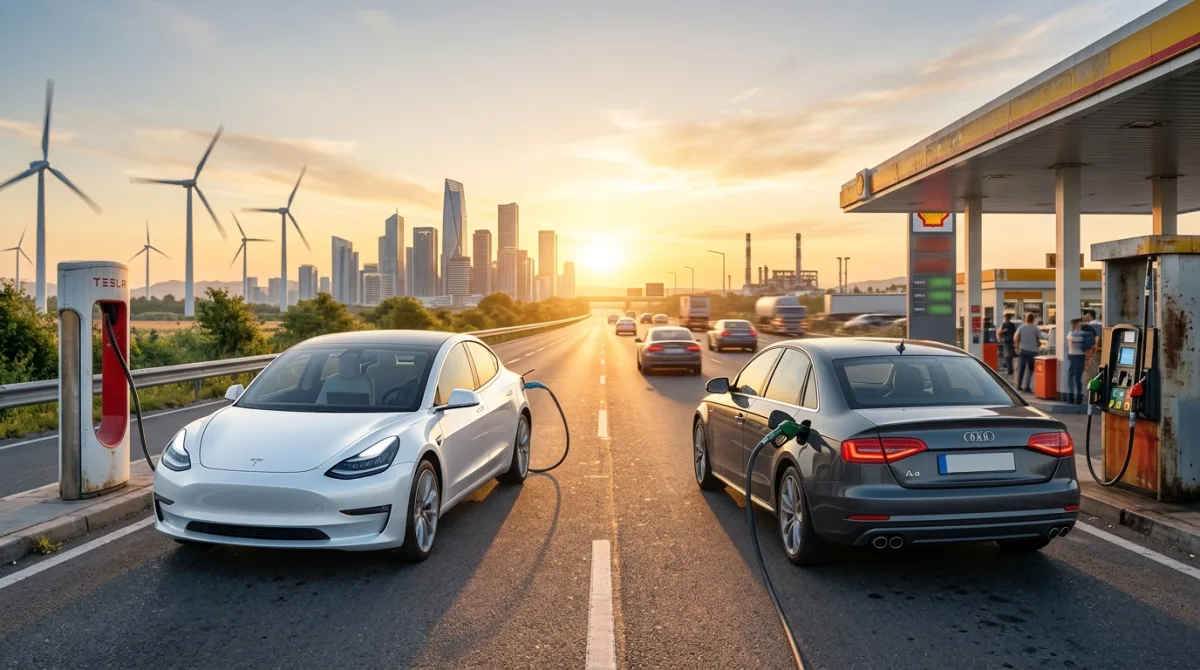
Comparing a fully researched purchase plan against a typical uncalculated EV purchase highlights stark differences in overall cost.
| Specification | Strategic EV Buyer | Impulsive EV Buyer |
|---|---|---|
| 5-Year Depreciation Loss | $14,200 | $26,500 |
| Home Charger Setup Cost | $750 | $2,800 |
| Annual Fueling Expense | $420 | $1,650 |
| Federal Tax Credit Claimed | $7,500 | $0 |
| Insurance Premium (Annual) | $1,350 | $2,450 |
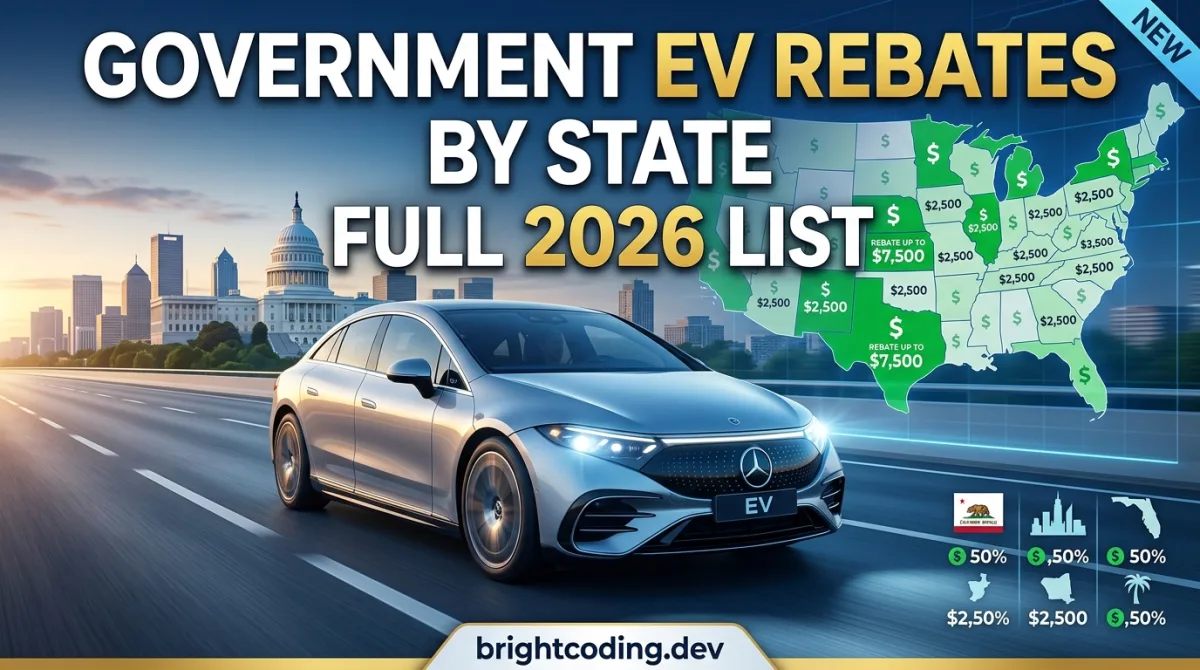
- Strategic planning captures the full $7,500 federal tax incentive directly at point-of-sale, cutting total loan financing fees.
- Pre-auditing home electrical panels avoids emergency upgrade charges, keeping charger installation costs capped at $750.
- Utilizing scheduled off-peak residential tariffs yields $1,230 in annual fueling savings compared to exclusive public fast charging.
- Target models with high retention rates limit total 60-month depreciation to just $14,200 instead of standard luxury market drops.
The Hidden Costs of Poor EV Planning
Failing to evaluate battery thermal management systems ranks among the most expensive errors in today's vehicle marketplace. Passive air-cooled battery packs found in budget EVs degrade up to 3.5% faster each year compared to modern liquid-cooled systems, stripping away 42 miles of total highway range within four years. Replacing a degraded battery pack out of warranty costs between $8,500 and $16,200, instantly destroying your projected fuel savings.
Insurance costs present another massive financial surprise for unprepared buyers who jump at heavy horsepower figures. High-performance dual-motor electric sedans command average annual rates of $2,450, while sensible single-motor crossovers cost just $1,350 for identical coverage limits. Additionally, ignoring home charging infrastructure forces drivers to rely on commercial fast-charging networks, which cost roughly $0.48 per kilowatt-hour compared to an average of $0.13 per kilowatt-hour for home charging.
Resale values fluctuate wildly based on software support and brand reputation. Electric cars lacking over-the-air updates or featuring outdated charging ports suffer a 48% residual value drop after three years. Securing a vehicle with an established charging network adapter and active software updates keeps your equity intact.
"Drivers who buy an EV without auditing their electrical service panel usually spend $2,000 more on emergency upgrades than those who plan three months ahead." - Marcus Vance, Senior Automotive Economist at Fleet Mobility Analytics
Tips and Tricks
- Audit your home panel early: Hire a licensed electrician to evaluate your 200-amp service box before buying, saving up to $1,800 in emergency installation charges.
- Verify point-of-sale tax credits: Confirm your chosen dealership transfers the full $7,500 federal tax credit directly into your purchase contract at delivery.
- Target liquid-cooled battery packs: Select models featuring active liquid cooling to prevent a 30% loss in driving range over 100,000 miles of driving.
- Lock in off-peak utility rates: Enroll in your power provider's EV time-of-use plan to cut home charging costs from $0.35 down to $0.09 per kilowatt-hour.
- Shop single-motor variants for insurance: Choose a single-motor powertrain to trim up to $1,100 off your annual insurance policy without sacrificing daily usable power.
The Verdict
Choose the Strategic EV Buyer route if you want to slash long-term ownership costs, secure every available rebate, and maximize your vehicle's resale value. Opt for the Impulsive EV Buyer route only if you intend to sign a short 24-month lease and do not mind paying premium rates for public charging access. Which of these expensive EV buying mistakes caught you off guard?