You want the short version of EV ownership: charge smart, plan for the cold, keep the battery between roughly 20% and 80% for daily driving, and don't ignore tyre pressure or 12V health. This article gives you 15 concrete tips, the answers to the questions people ask most, and honest caveats where the numbers vary by model.
Quick answers
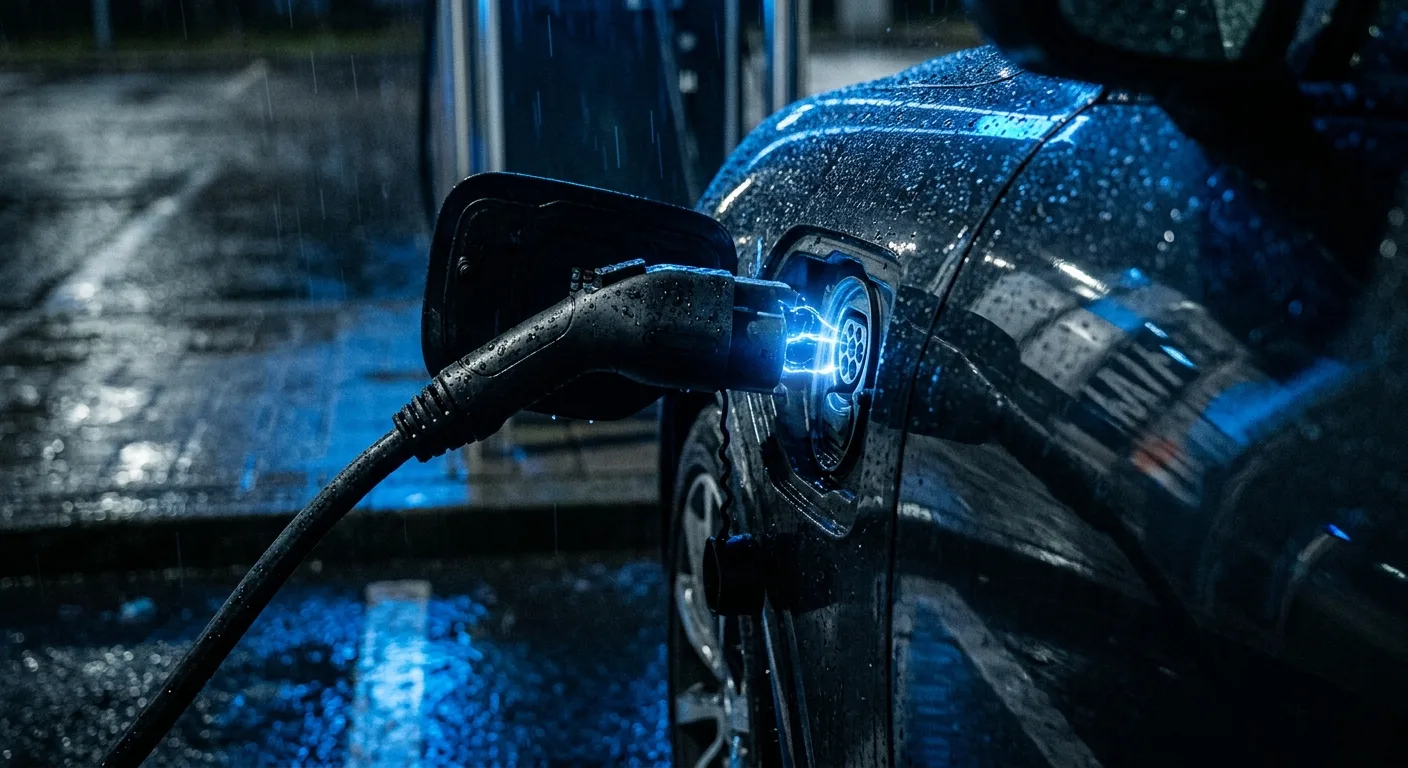
- Does fast charging ruin an EV battery? Not in normal use. Occasional DC fast charging is fine, but frequent sessions to 100% in hot weather add stress. Charge to 80-90% for daily driving and save full charges for trips.
- How much does an EV cost to run? Usually less per mile than petrol, but the exact figure depends on your electricity tariff and local fuel prices. Work it out with your own numbers rather than a generic claim.
- Should I charge to 100% every night? No. Most owners do best keeping the battery between about 20% and 80% for routine days, then charging fully just before a long trip.
- Do EVs lose range in winter? Yes, often noticeably. Cold slows the battery chemistry and cabin heating draws power, so plan for less range and preheat while still plugged in.
- How long does an EV battery last? Many modern packs are designed to outlast the car's typical ownership period, but degradation varies with climate, charging habits and chemistry. Check the warranty terms for your specific model.
Does fast charging ruin an EV battery?
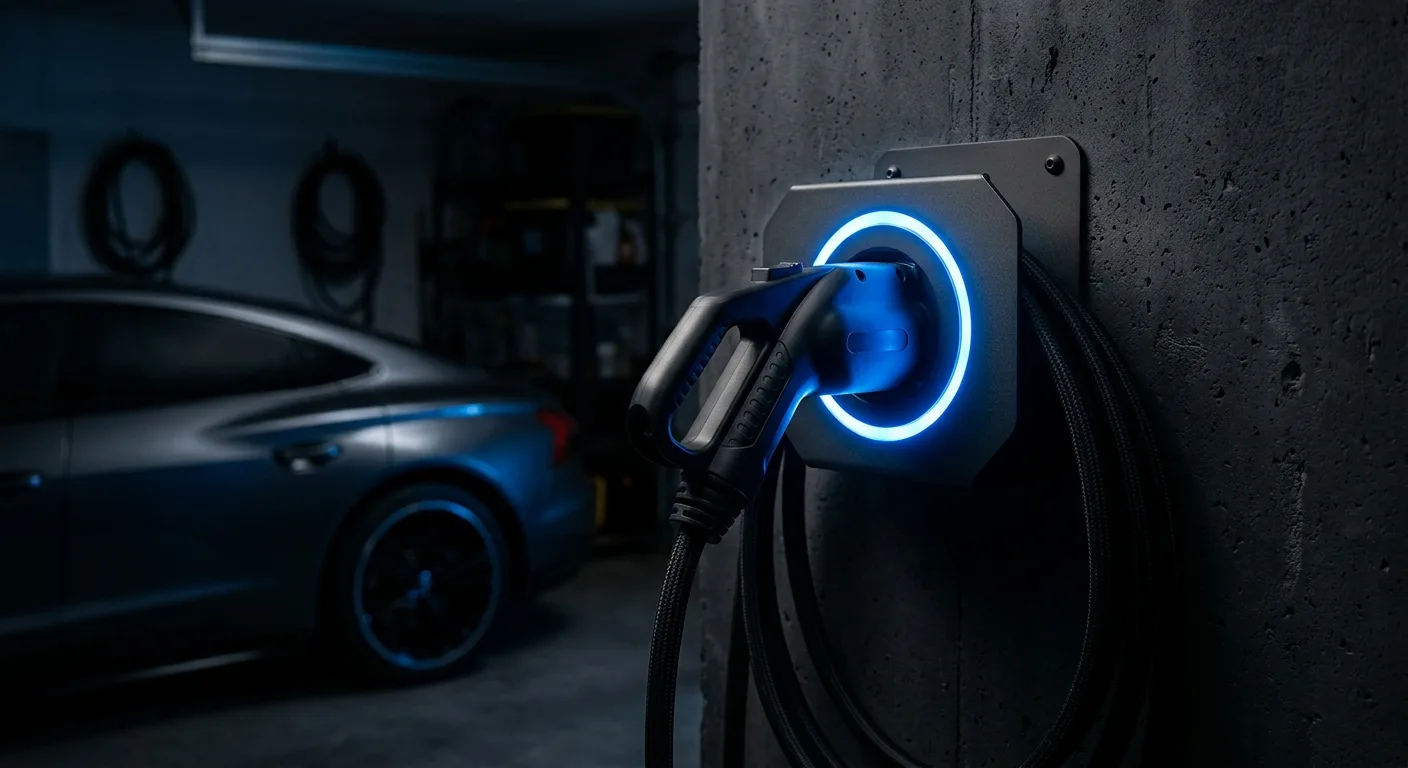
No, not in sensible use. The bigger battery stresses are frequent full charges, sitting at very high or very low charge in heat, and repeated hard fast charging on a hot pack. If you fast charge when you actually need it and keep daily charging in the middle range, you're doing the battery a favour.
A rough rule: fast charge to get moving, slow charge to live. That alone avoids most of the worry people bring to EV ownership.
How much does an EV cost to run?
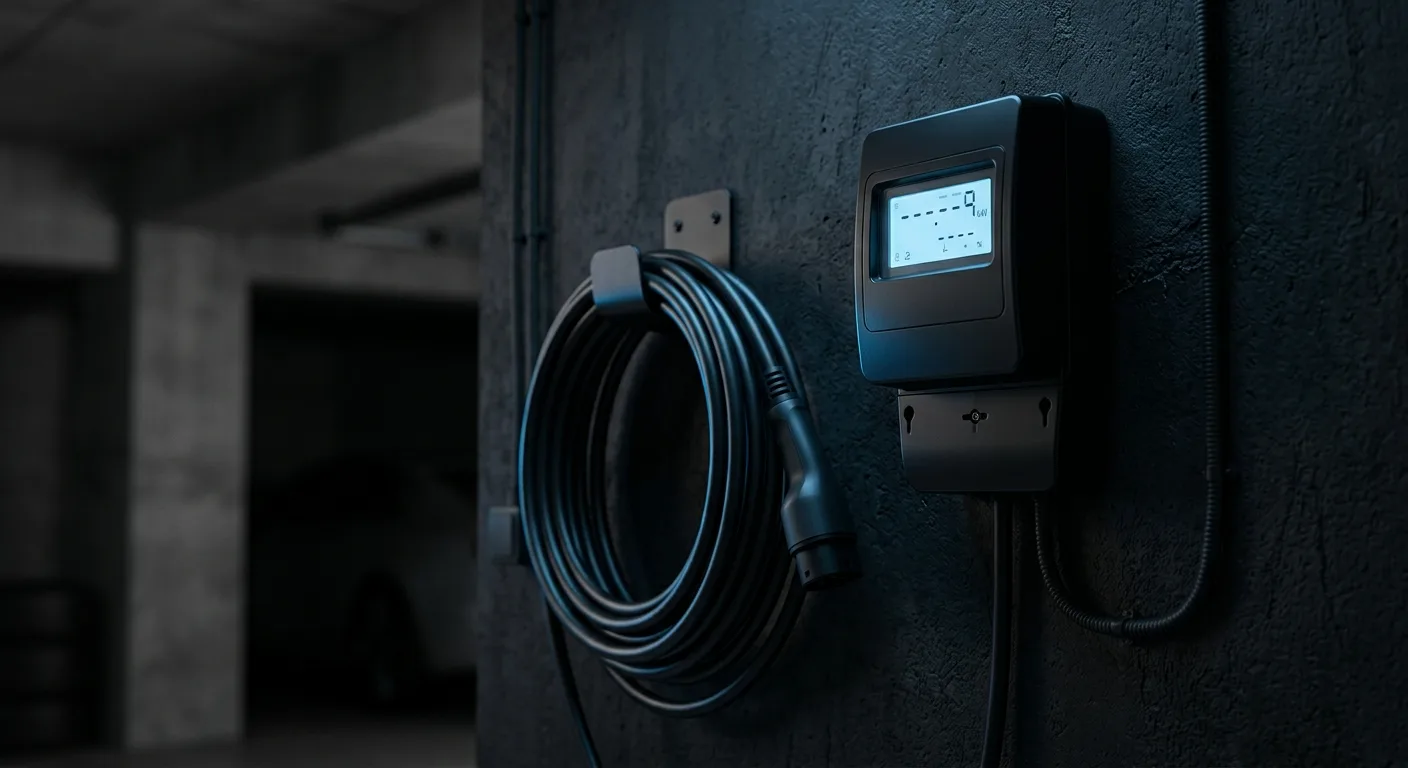
The honest answer is that it depends on your tariff, your driving and your car's efficiency. Home charging on a cheap overnight rate is where the savings live. Public rapid charging can cost far more per kWh, sometimes close to filling a petrol car, so it pays to know your local prices before you assume EV running costs are always low.
To get a real number, use the free EV calculators and tools with your own electricity rate and annual mileage. Don't trust a single headline figure someone quoted online; it rarely matches your situation.
Should I charge to 100% every night?
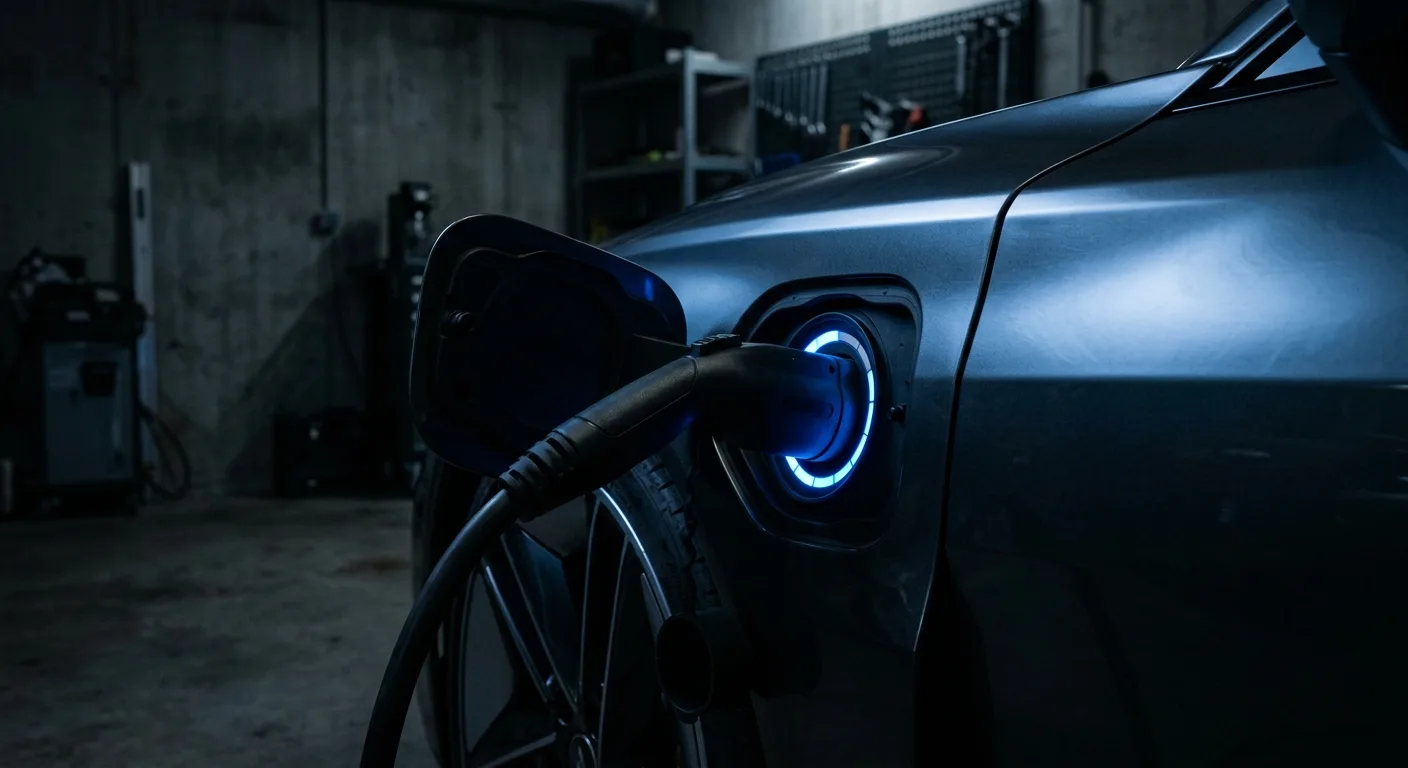
No. For daily driving, keeping the battery roughly between 20% and 80% is gentler on most lithium packs. Charge fully only when you need the range or the manufacturer explicitly recommends it (some LFP batteries actually prefer regular full charges, so check your manual).
The exception that matters: charge to full the night before a long trip, not weeks in advance. Leaving a battery at 100% for days, especially in heat, is one of the few habits worth avoiding.
Do EVs lose range in winter?
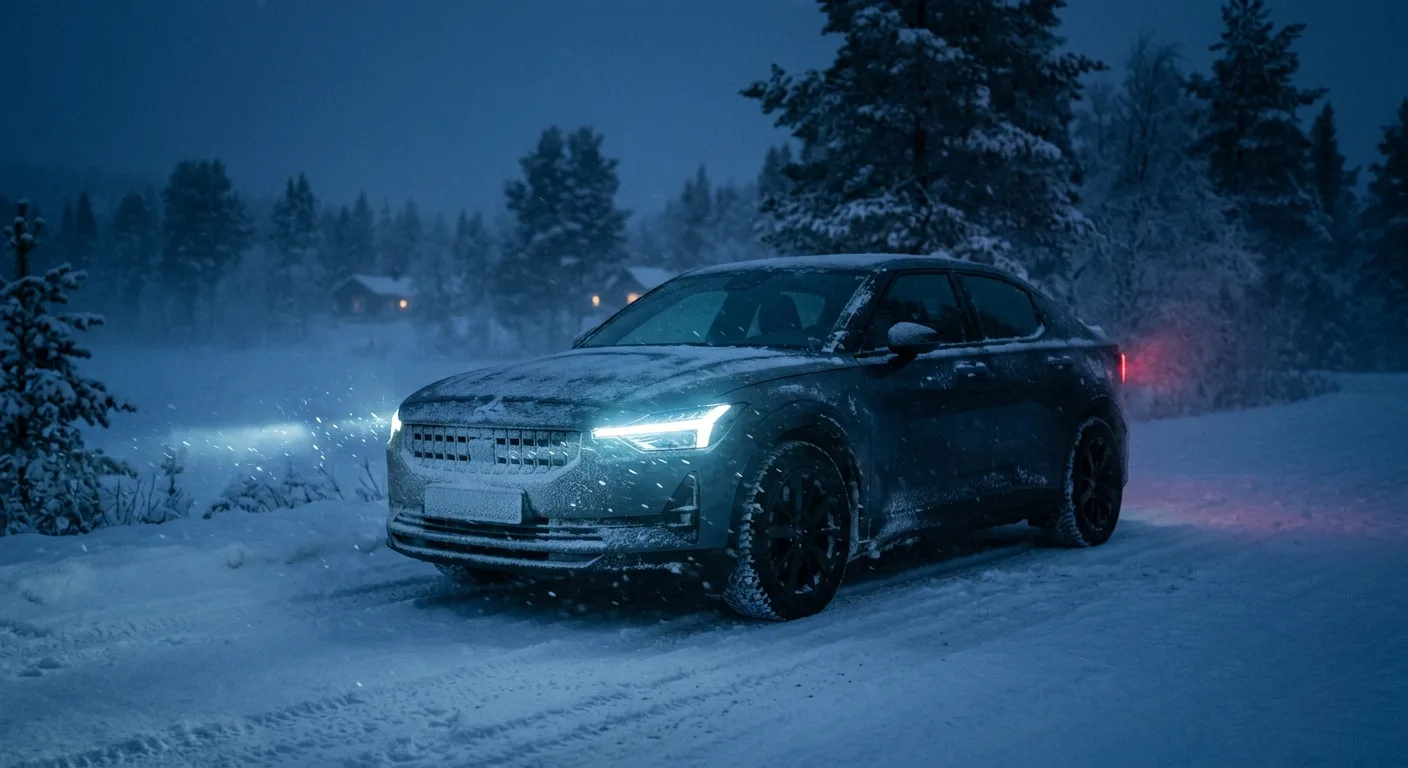
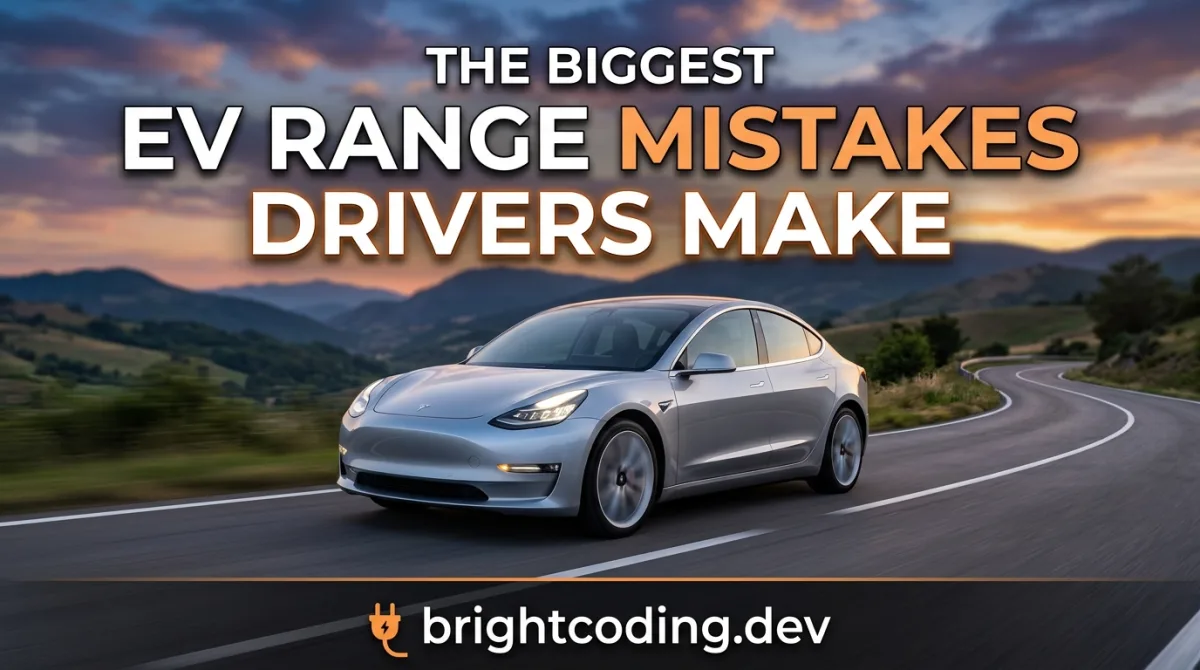
Yes. Cold thickens the battery's chemistry and cabin heating pulls power, so expect a real drop. How much varies a lot by model and temperature; some cars lose a chunk of range in deep cold, others cope better.
Practical fixes: preheat the cabin while the car is still plugged in, use seat and steering wheel heaters before blasting the main climate, and park in a garage when you can. If your car shows a sudden, sharp range loss that doesn't track the weather, that's a troubleshooting question rather than normal cold behaviour, so check the EV troubleshooting guides.
How long does an EV battery last?
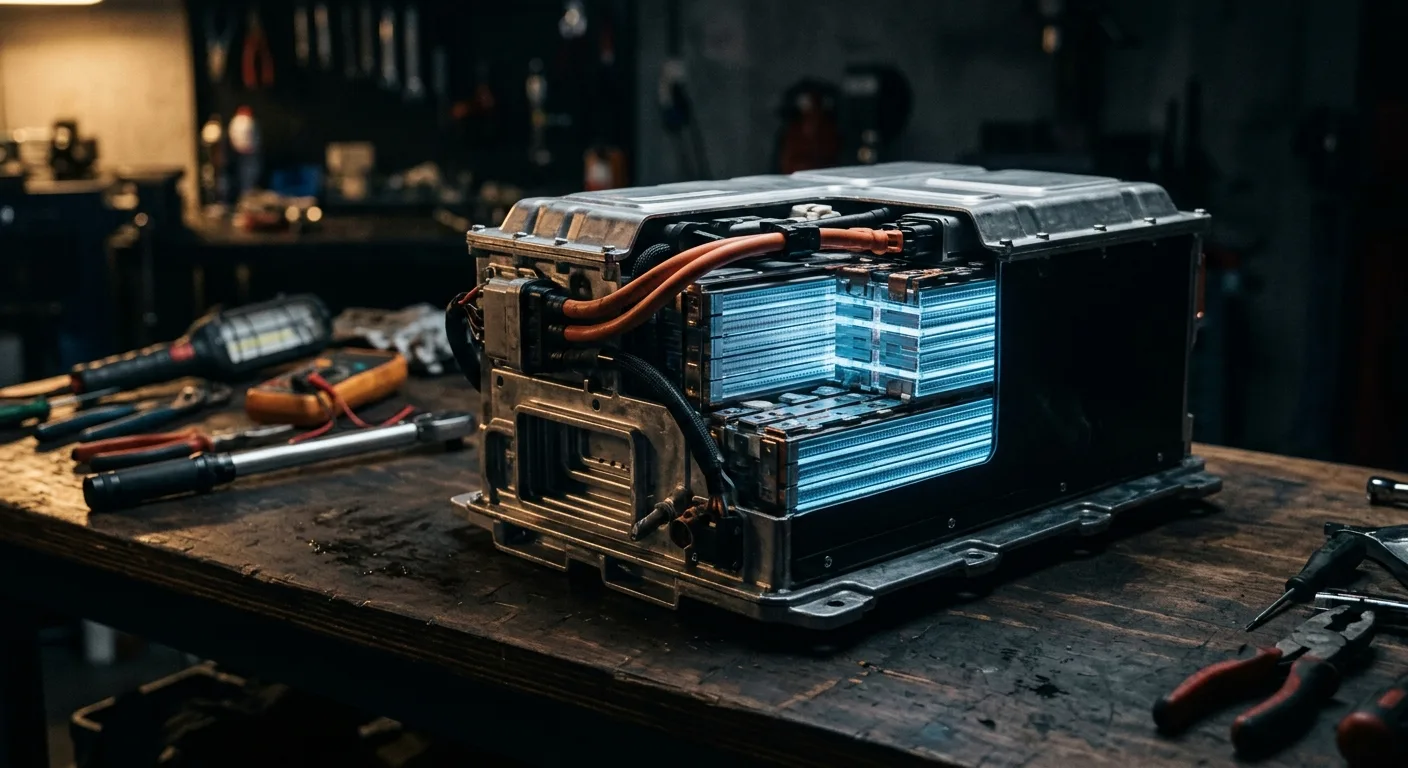
Longer than many people fear, but not forever. Most modern packs are engineered to serve well past the point where the car changes hands, and degradation is usually gradual rather than sudden. Climate, charging habits and battery chemistry all move the needle.
Rather than guess, read the battery warranty for the exact model you're considering. It tells you what the maker is willing to stand behind, which is more useful than any general claim.
What's the cheapest way to charge at home?
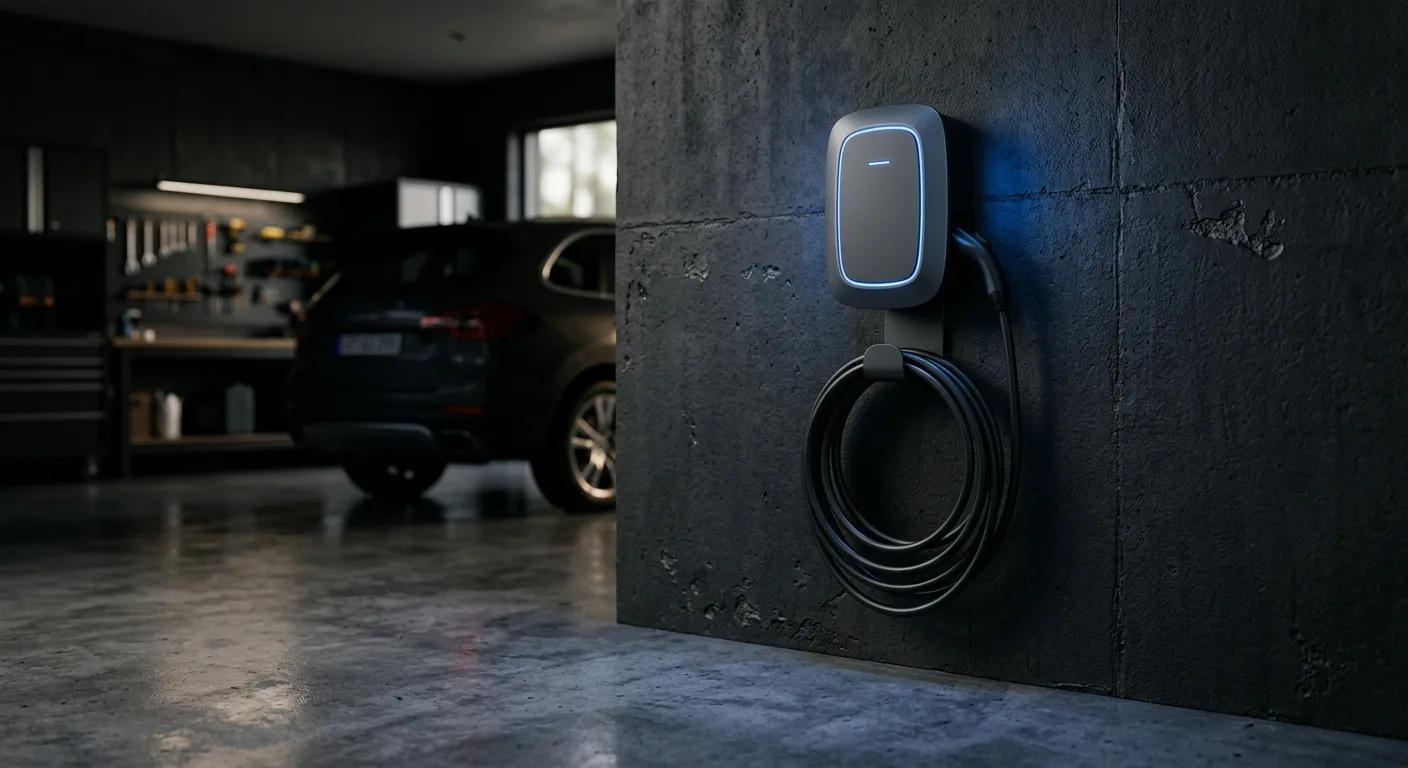
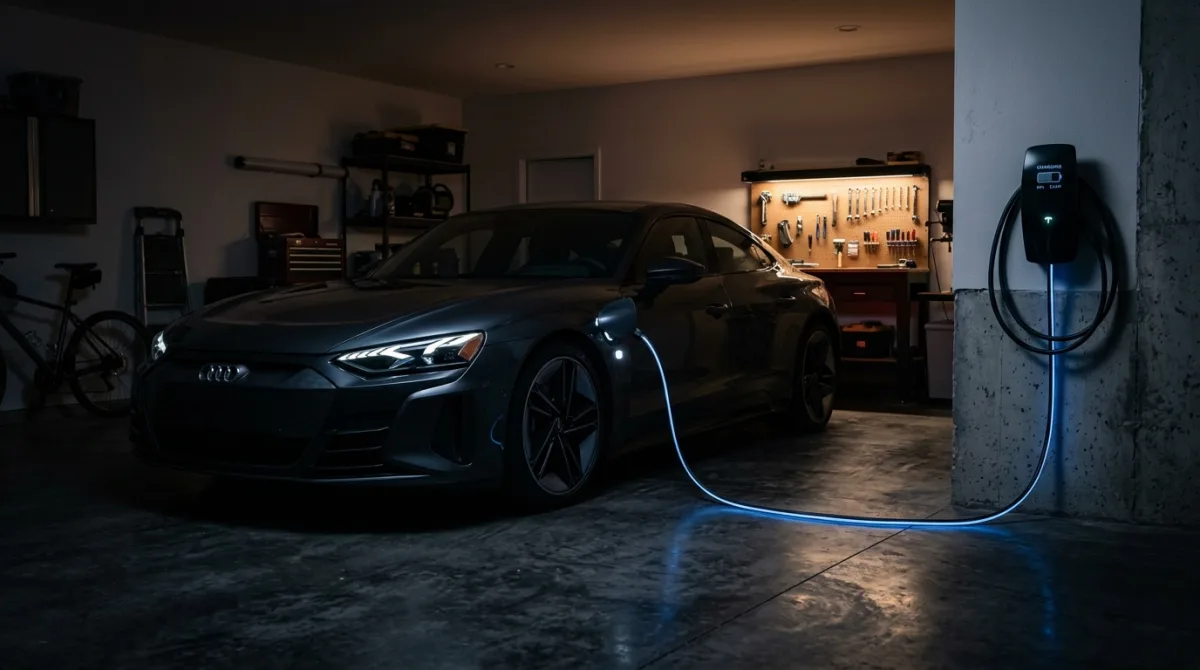
Overnight, on a time-of-use tariff, at the slowest rate that still gets you ready by morning. Slow AC charging is kinder to the battery and usually cheaper per kWh than public rapid charging. If your electricity plan has a cheap window, set the car or charger to use it.
A dedicated home charger is convenient, but if you drive modest distances a standard outlet can cover daily needs for many owners. Match the charger to your real mileage, not to a worst-case road trip you take twice a year.
Why is my EV using more energy than the dashboard says?
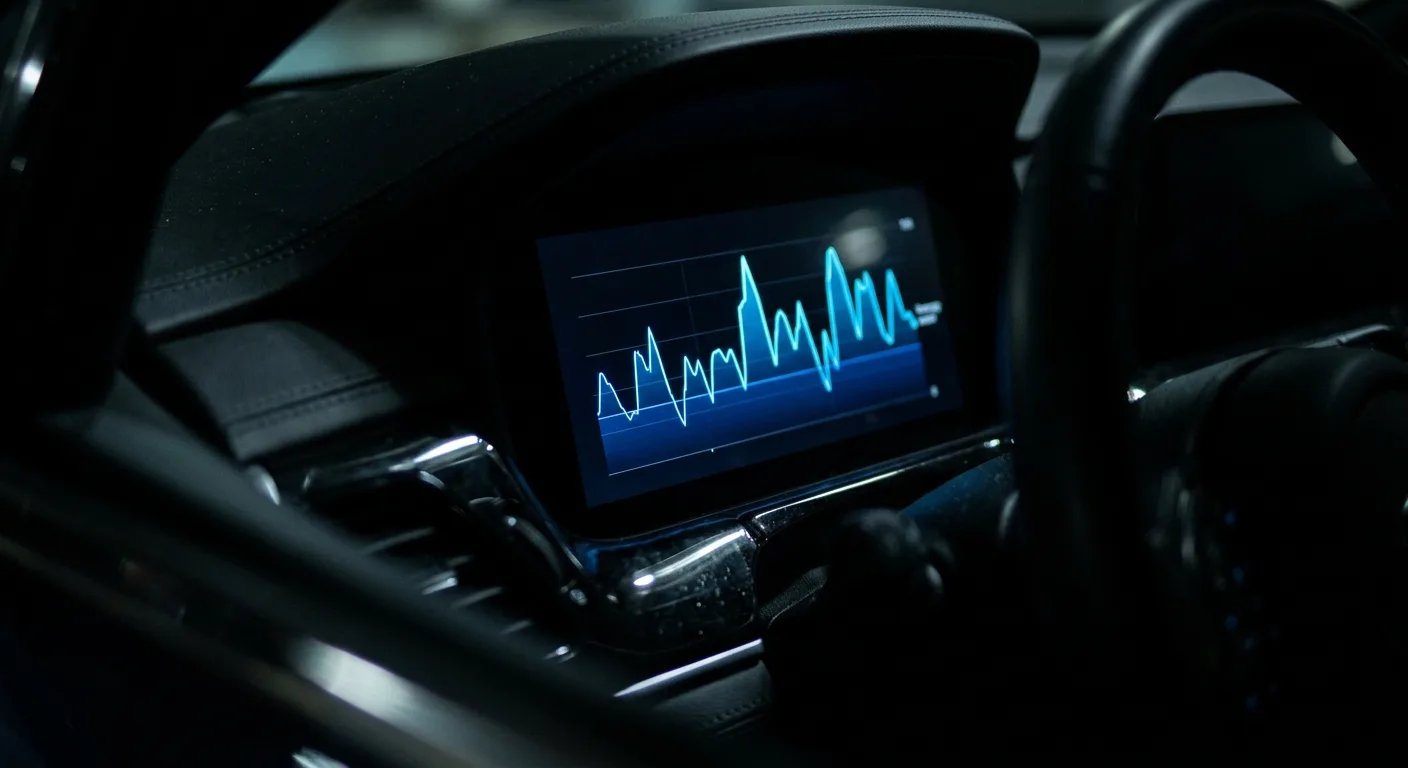
Efficiency figures on the dash are estimates and can drift from reality, especially with climate use, headwinds, roof racks or lots of short cold trips. Treat the displayed range as a guide, not a promise. If consumption jumps suddenly with no change in driving or weather, check tyre pressures and look for dragging brakes or a stuck climate setting before assuming a battery fault.
Low-voltage checks like tyre pressure, 12V accessory behaviour and fuses are things a careful owner can inspect. Anything involving the high-voltage traction battery is different: stop and see a qualified technician. The EV diagnostic and fuse guides cover the safe, owner-level checks.
Is it worth comparing models before I buy?
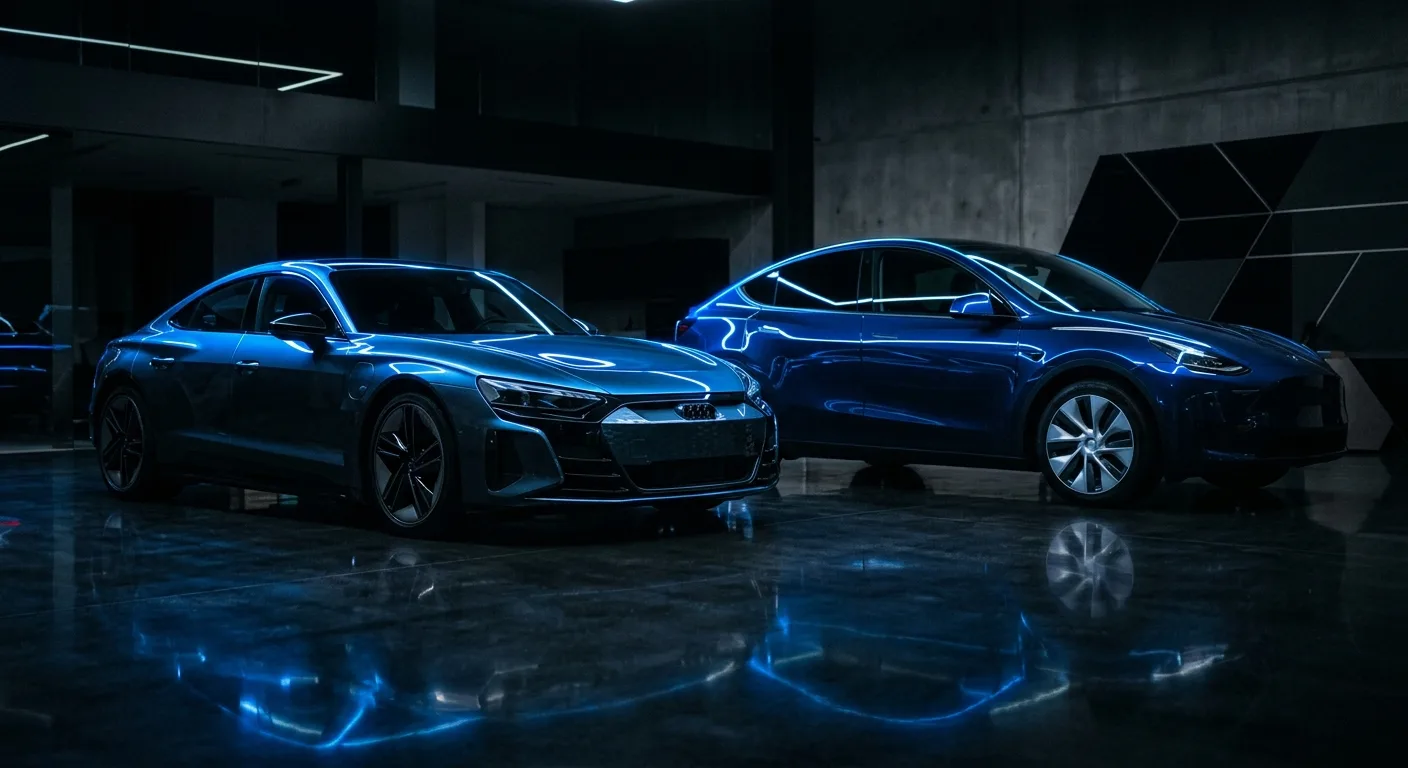
Absolutely, and it's the cheapest hour you'll spend. Range, charging speed, boot space and running costs vary more between EVs than between most petrol cars. Use the head-to-head EV comparisons to line up two models on the criteria that actually matter to you, then sanity-check specs in the EV model directory.
Don't buy on range alone. A car that charges quickly and fits your daily routine often beats one with a bigger headline number and slow charging.
15 tips that save time and money
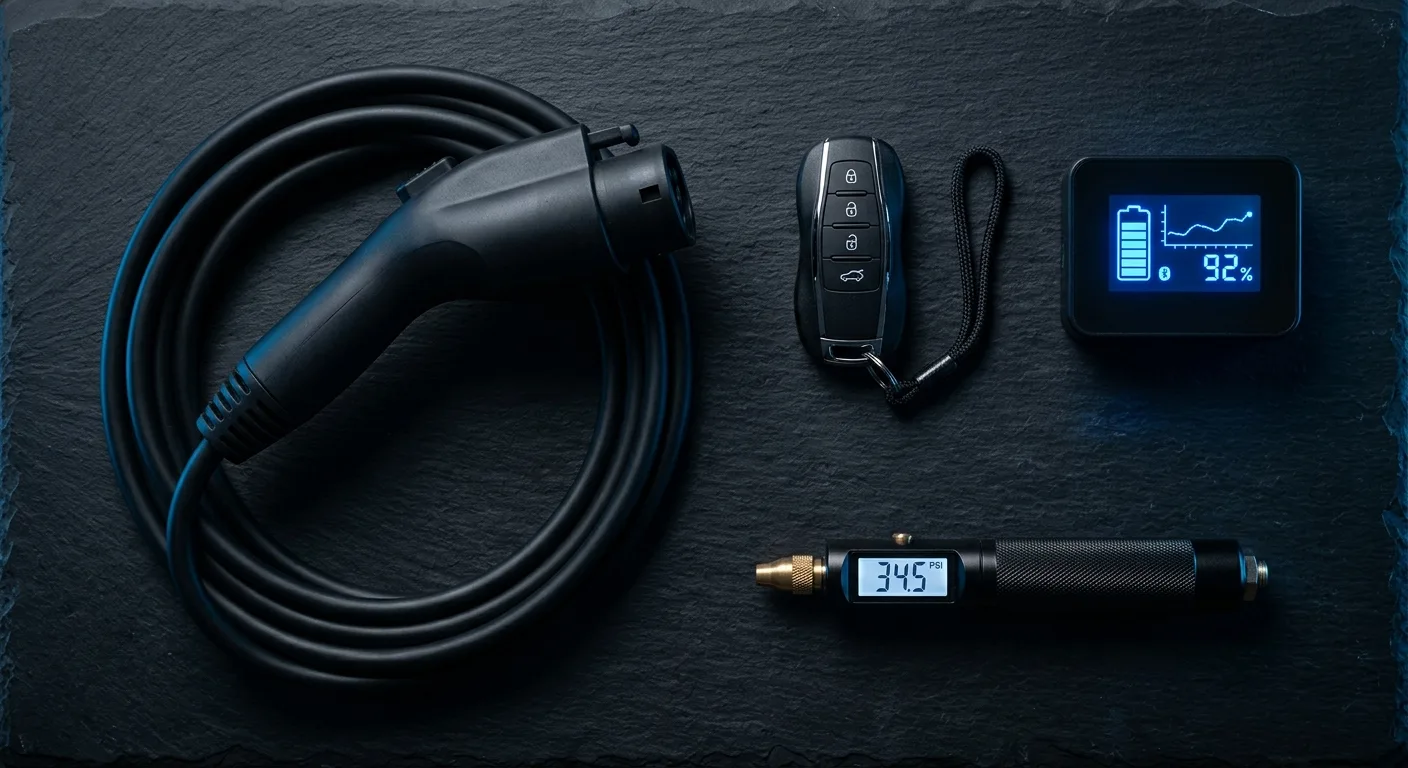
- Charge to 80% for daily driving. Save 100% for trips; it's gentler on most packs.
- Use off-peak electricity. Schedule charging overnight where your tariff rewards it.
- Preheat while plugged in. Cabin heat from the grid costs less than draining the battery.
- Check tyre pressures monthly. Under-inflated tyres quietly steal range.
- Drive smoothly. Hard acceleration and late braking waste energy in any car, EVs included.
- Use seat heaters before the main climate. They warm you for less power than heating the whole cabin.
- Plan rapid-charge stops around your route, not your anxiety. Charging to 80% is usually faster than pushing to 100%.
- Don't leave the battery at 100% or near 0% for days. Middle range is the comfortable zone.
- Keep the 12V battery in mind. Odd electrical gremlins often trace back to it; know the signs.
- Watch for phantom drain. If the car loses charge while parked, note it and investigate rather than ignore it.
- Read your warranty. Battery and charging terms differ; know what's covered before you need it.
- Compare insurance and servicing before buying. Running costs aren't just electricity.
- Keep a tyre inflator and basic kit in the car. Many EVs skip a spare wheel.
- Use the car's scheduled departure feature. It warms or cools the pack and cabin at the right time.
- Track your real efficiency for a month. Your own numbers beat any brochure figure.
Related questions
Can I leave my EV plugged in overnight?
Yes, for most cars. Modern EVs stop drawing power once the battery is full, and scheduled charging makes overnight top-ups easy. Just avoid leaving it at 100% in hot weather for days on end.
Do I need a home charger installed?
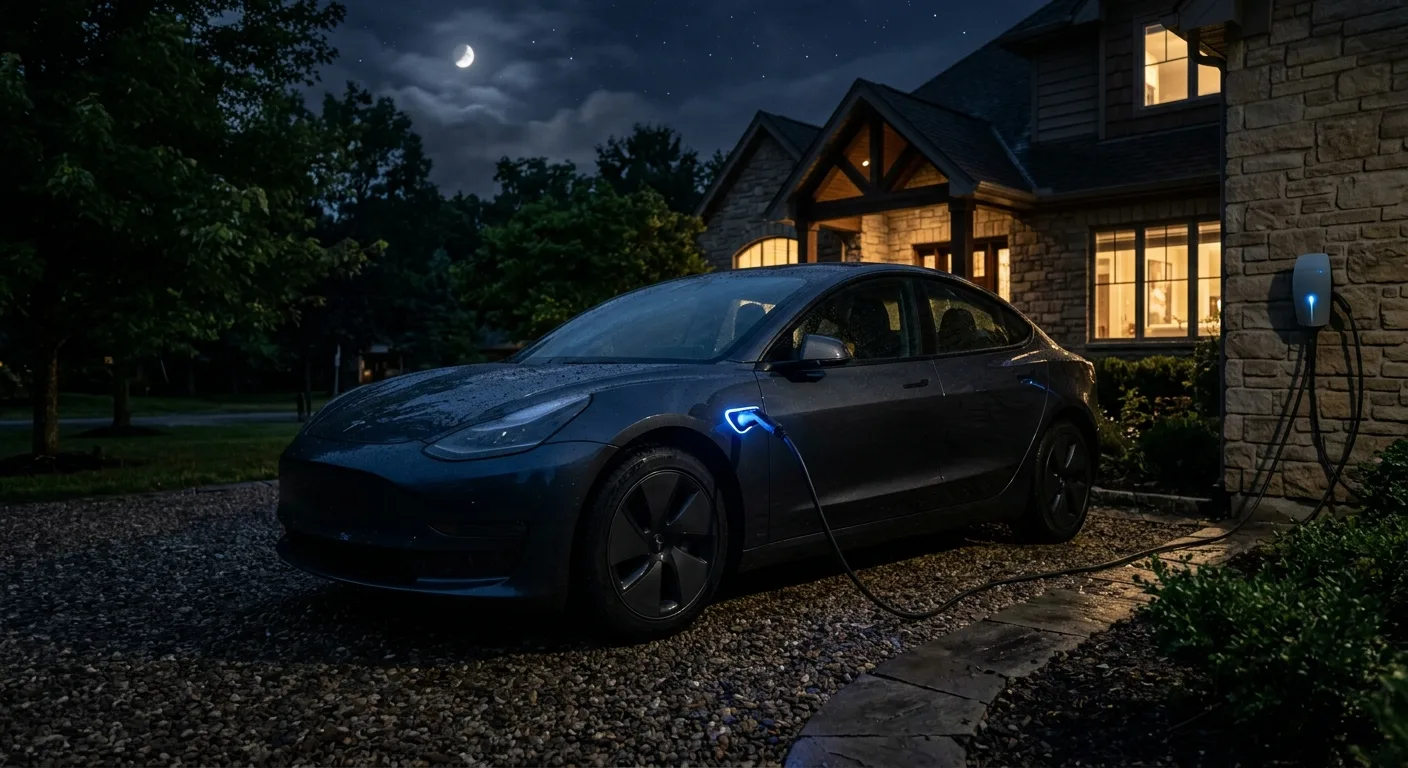
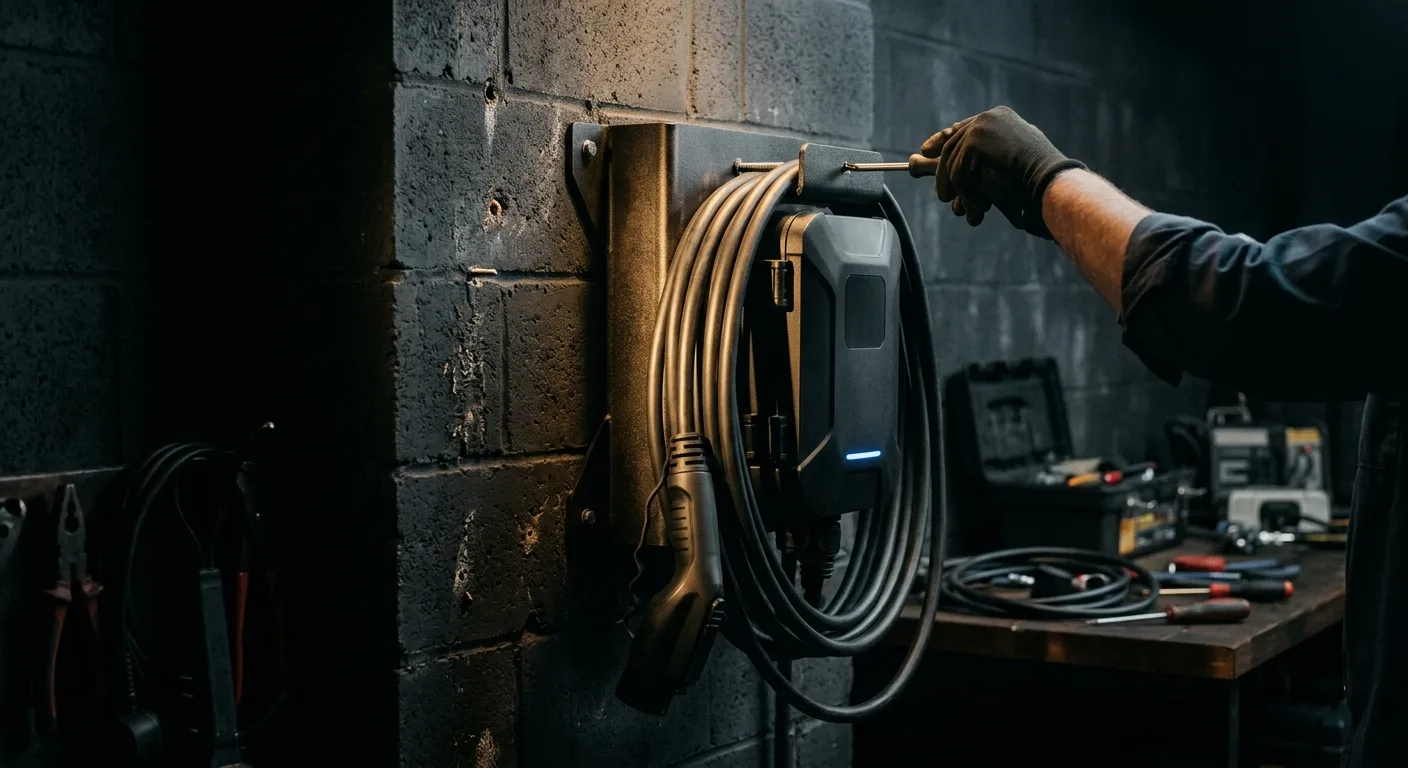
Not always. If your daily mileage is modest, a standard outlet may cover it. If you regularly drive further or want faster overnight charging, a dedicated unit is worth the cost. Match it to your real routine.
What should I do if my EV won't start?
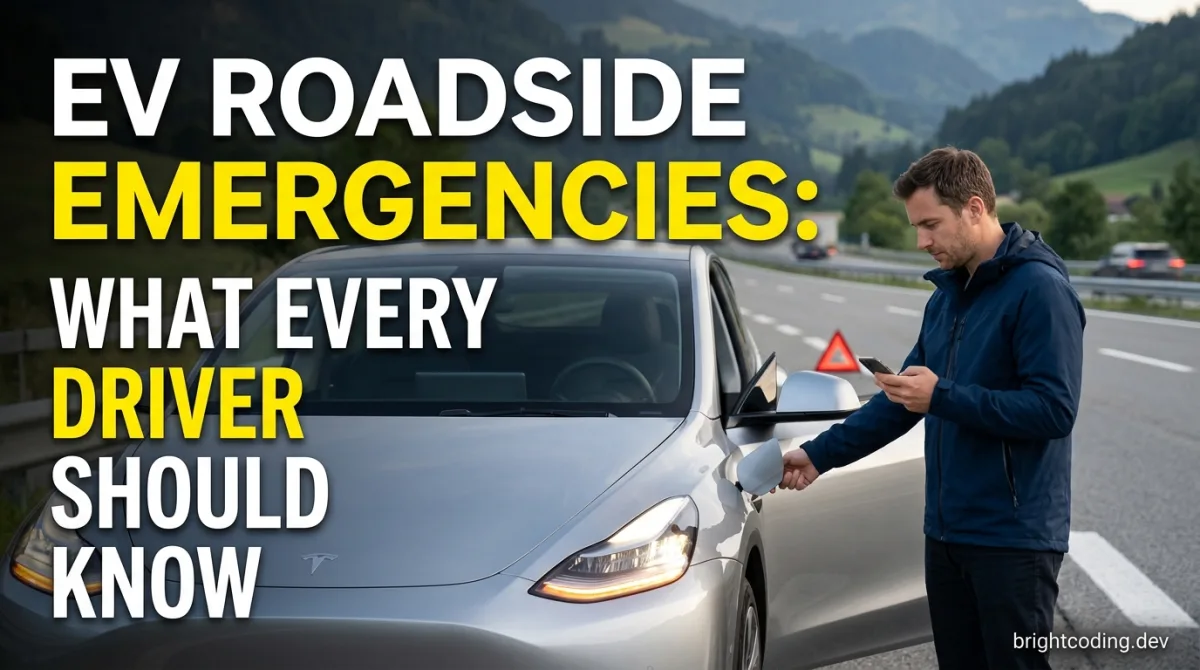
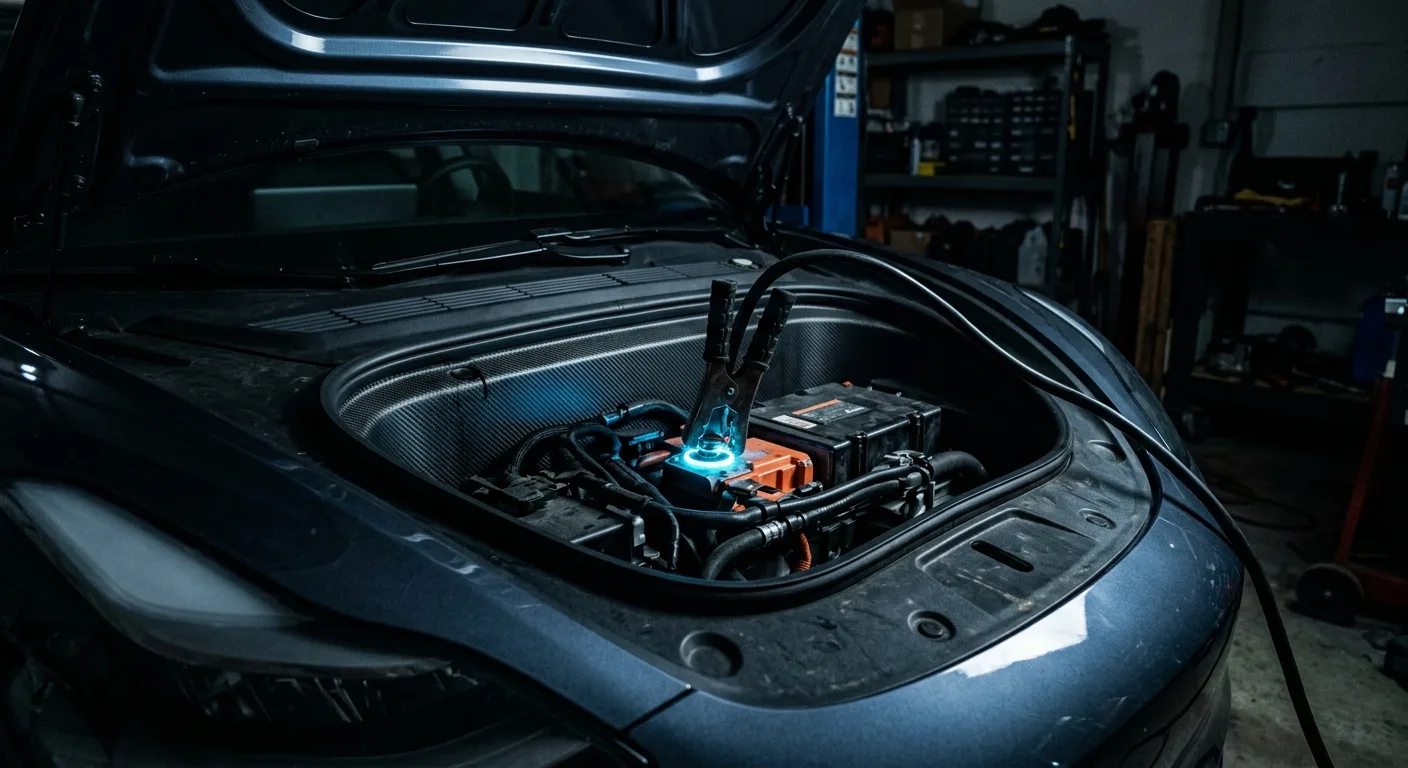
Start with the simple, safe checks: is the 12V system healthy, are the keys detected, is the car in the right mode? If those don't explain it and the fault points toward the high-voltage system, stop and call a qualified technician. Never poke around the traction battery yourself.
Bottom line
Most EV savings come from boring habits: charge in the middle range, use cheap electricity, keep tyres right, and plan trips instead of guessing. Get those right and the running costs mostly look after themselves. For anything touching the high-voltage battery, hand it to a professional.