You press the brake, push the button, and nothing happens. Or the dash lights up like a fairground but the car stays put. An EV that won't start feels more alarming than a dead petrol car because so much of it is software and high voltage, and owners often jump straight to "the battery is gone" when the real culprit is a $3 fuse or a key fob with a flat coin cell. This article walks through the nine things that actually go wrong, in the order worth checking, so you can rule out the cheap fixes before you call a technician.
Why most people get this wrong
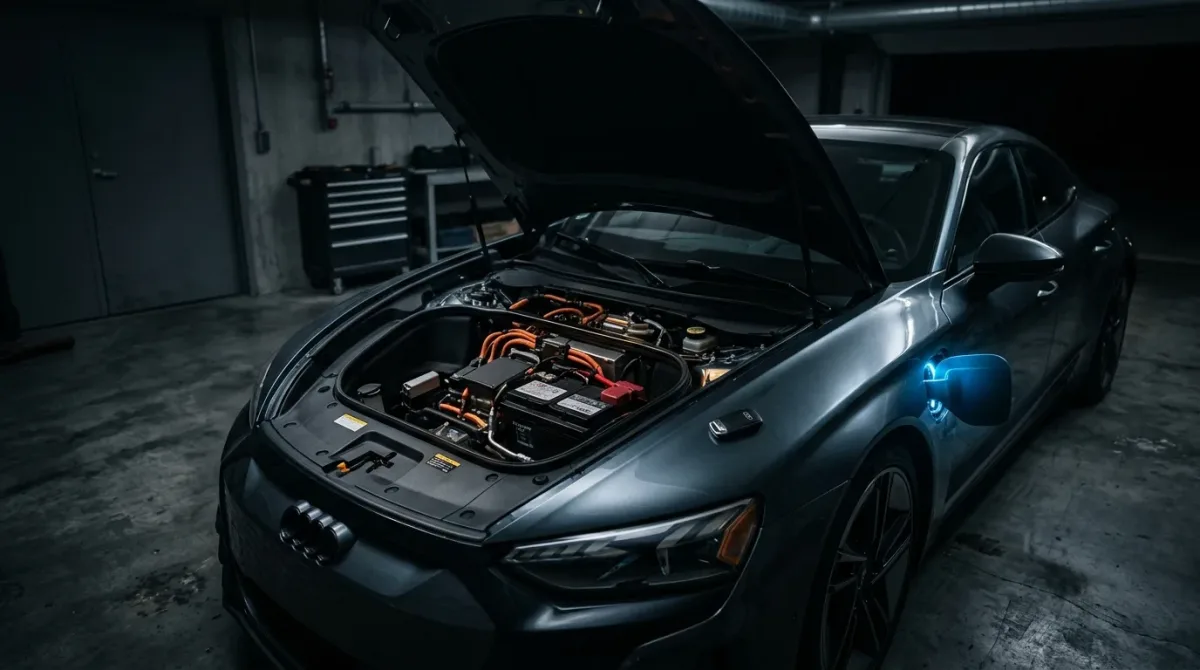
Two things trip people up. First, an EV has at least two batteries: the big high-voltage traction pack and a small 12V battery that runs the computers, lights and contactors. It is almost always the 12V one that fails first, and it fails in a way that looks like a total car failure.
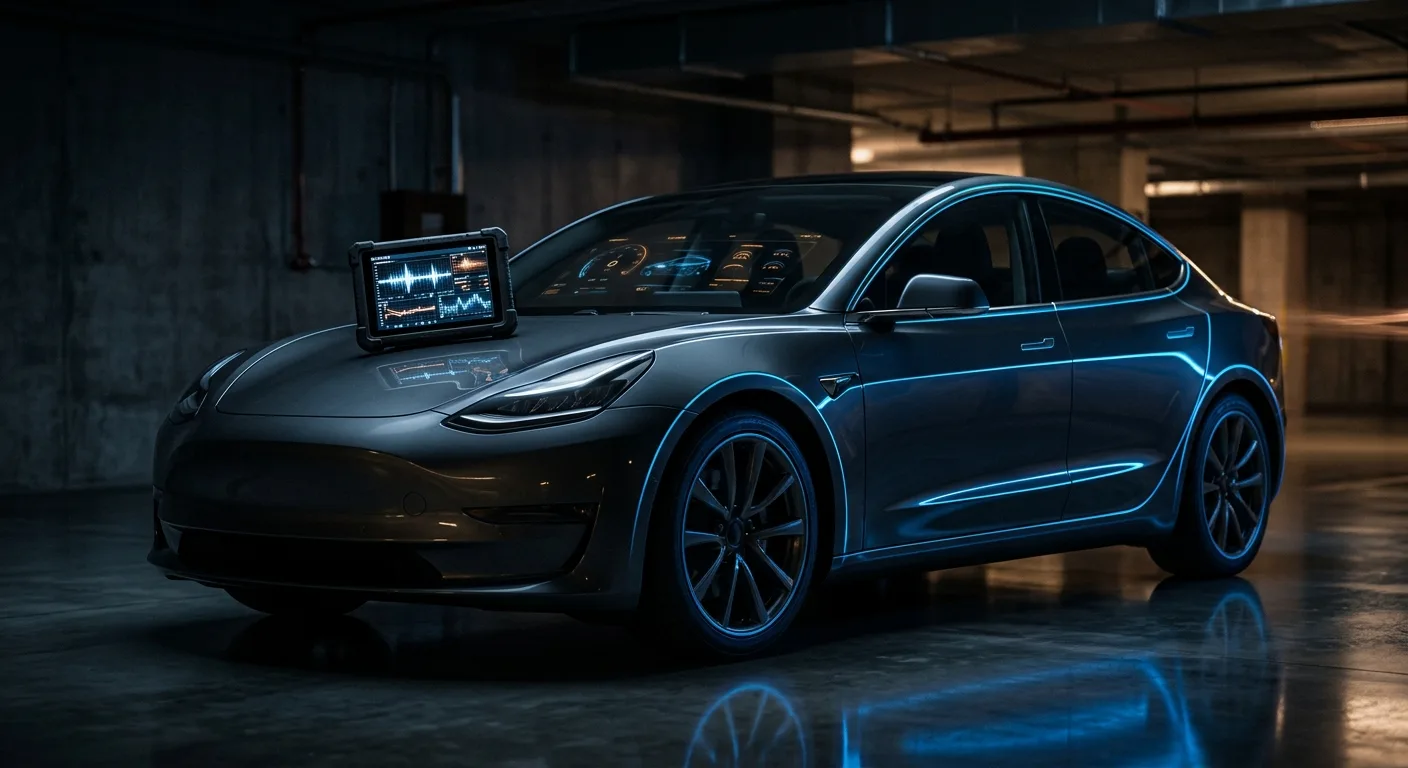
Second, "not starting" covers several different faults. No lights at all is not the same as lights but no drive, and that is not the same as a car that drives but won't shift out of Park. Diagnosing the wrong symptom sends you down the wrong path. If you want a structured walk-through of fault codes and fuse checks, the diagnostic and fuse guides are a good companion to this list.
1: Assuming the traction battery is dead

Someone returns to their car after a week away, the doors won't unlock remotely, and they immediately assume the main pack has drained. Nine times out of ten it is the 12V aux battery, not the traction pack.
People make this mistake because the traction battery is the famous, expensive one, so it gets the blame. The consequence is panic, a tow you didn't need, and possibly a hefty diagnostic bill for a problem a jump pack would have solved.
Before you assume the worst, check whether the interior lights, dash and central locking respond at all. No response points to the 12V system, which is a far cheaper place to start.
2: Jump-starting or charging the wrong battery
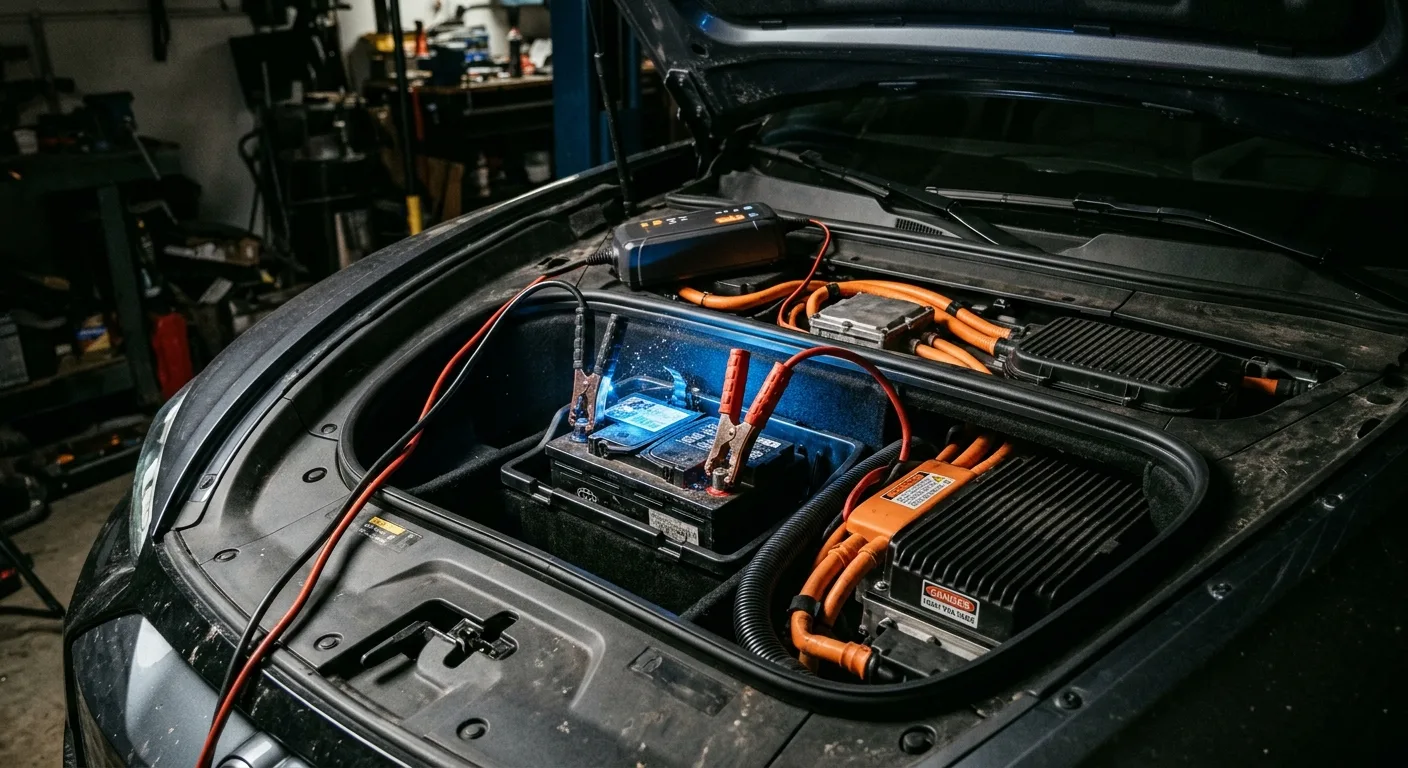
This one carries a real safety warning. The 12V aux battery is low voltage, and a careful owner can often jump it the same way you would a petrol car, following the owner's manual. The high-voltage traction battery is a different animal entirely.
Never poke at orange cables, never open the traction pack, and never connect a charger to anything you are not certain is the 12V circuit. High-voltage work always requires a qualified professional. If you are unsure which battery you are looking at, stop and get help. Mixing the two up can destroy electronics or, worse, injure you.
3: Ignoring the key fob and immobiliser
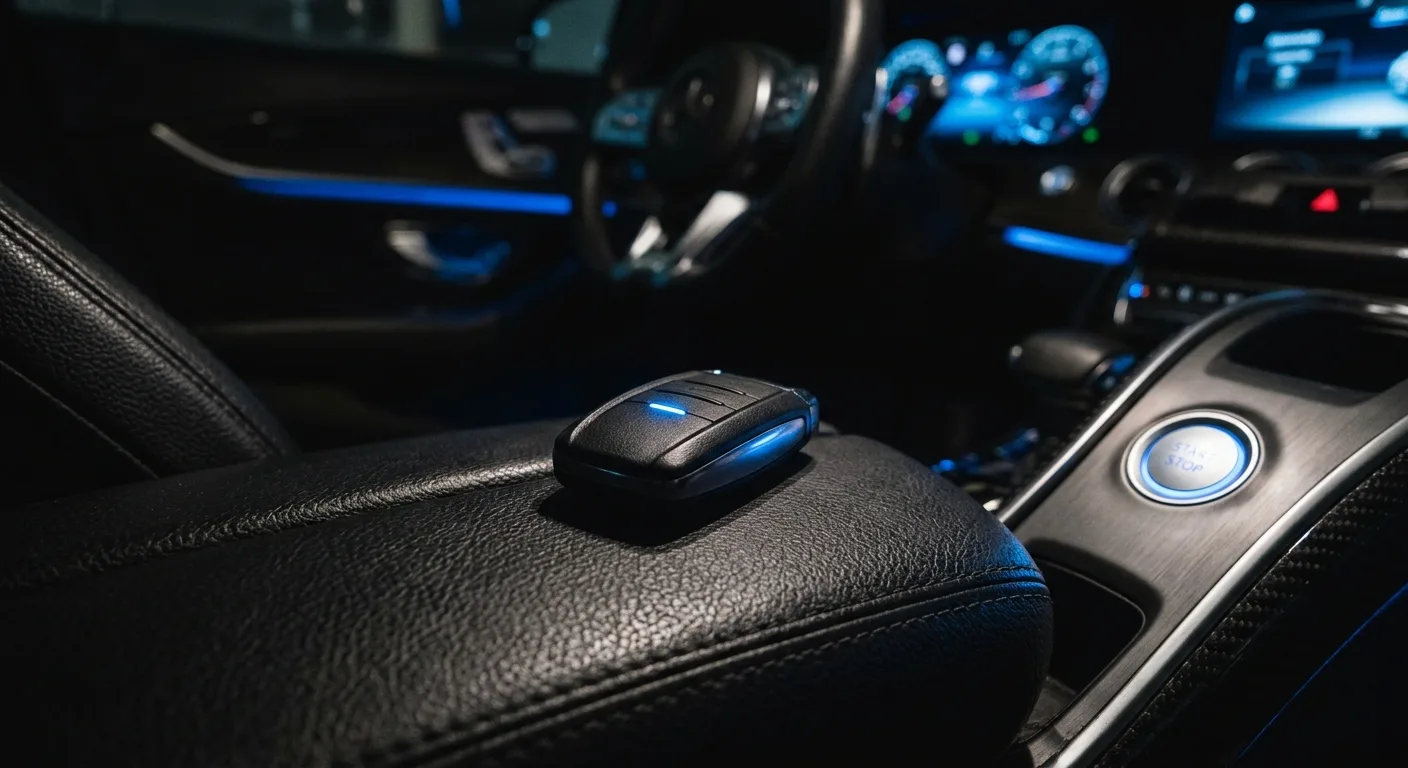
You sit down, press start, and the dash politely tells you no key detected. The fob is in your pocket the whole time.
People forget that the fob has its own coin-cell battery and a proximity sensor. A dying cell or a fob sitting next to a phone or a metal water bottle can confuse the immobiliser. The consequence is a car that seems dead when it is only refusing to recognise you.
Try the emergency start procedure in your manual, usually holding the fob against a marked spot on the steering column or centre console. Replace the fob battery every couple of years as cheap insurance.
4: Forgetting the brake pedal and the start sequence
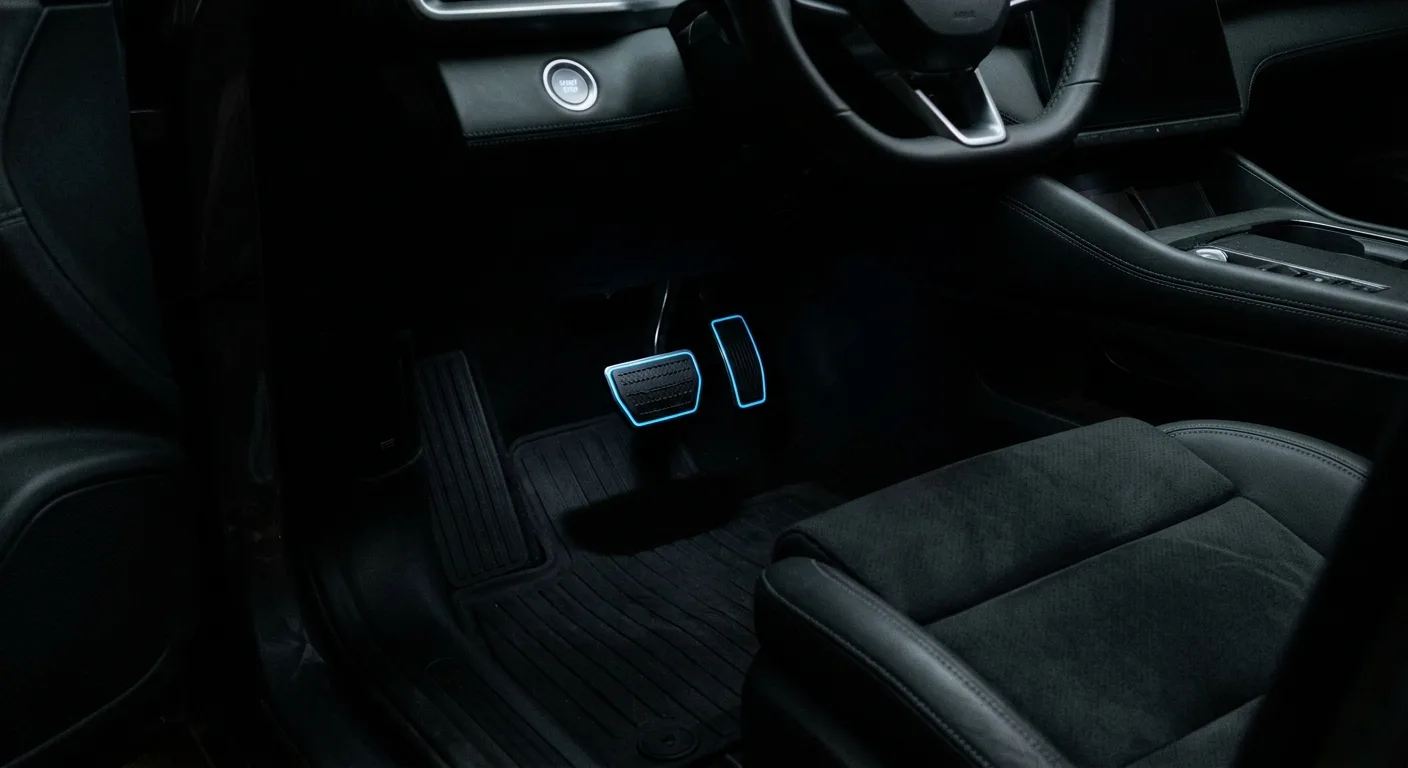
An EV won't go into Ready mode unless you are pressing the brake firmly while you hit the start button. A soft press, or pressing after the button, leaves you in Accessory mode with the dash lit but no drive.
This catches out new owners and anyone borrowing the car. The consequence is a few minutes of confusion and a call to a partner who says "press the brake harder". Watch for the Ready indicator on the dash, and if it doesn't appear, press the brake properly and try again.
5: Missing a simple "not in Park" or charge-cable interlock
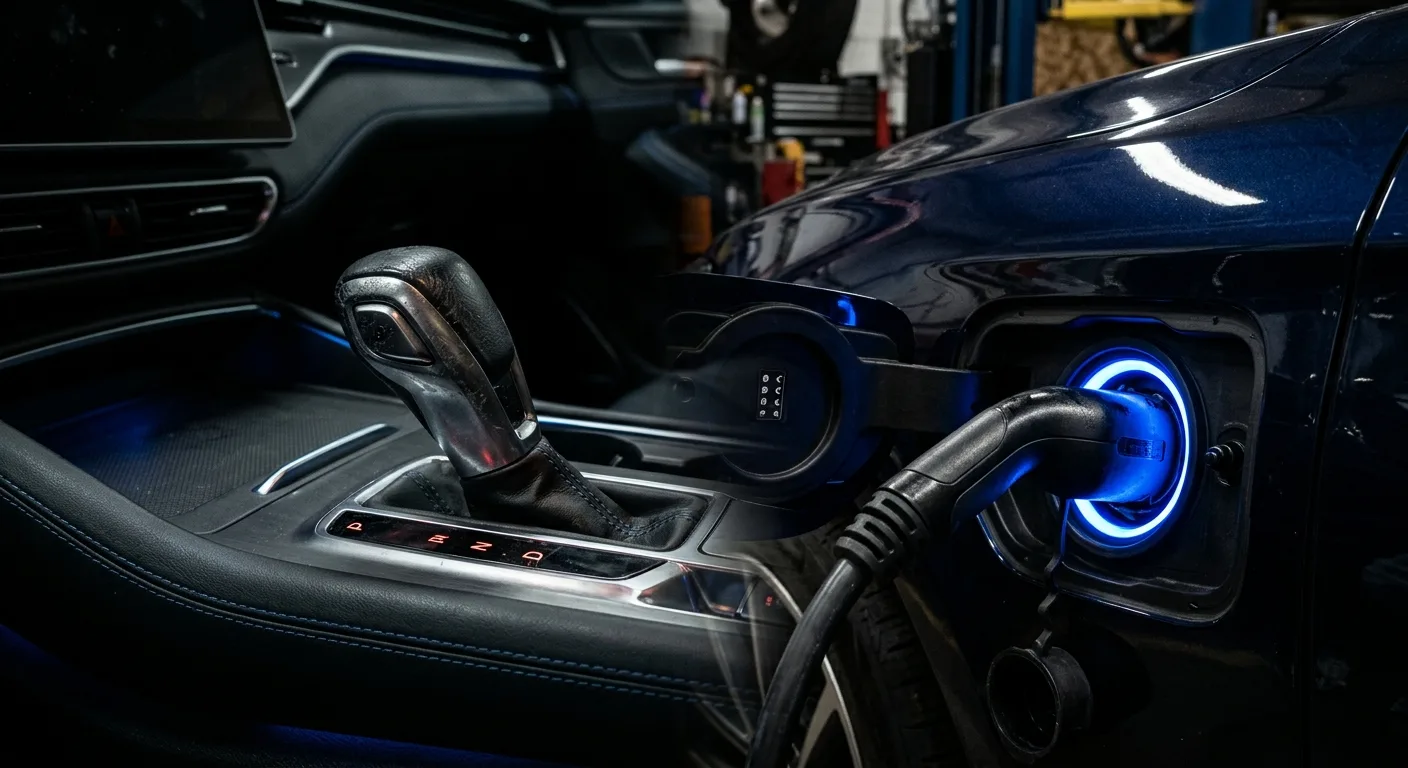
Some EVs refuse to start if the charge flap is open, the cable is still plugged in, or the selector isn't fully in Park. The car is protecting itself, not broken.
Owners miss this because the warning is often a small icon or a chime they tune out. The result is a car that seems to refuse to move for no reason. Check the charge port is closed and the cable is disconnected, confirm Park, then try again.
6: Overlooking the 12V battery's slow decline
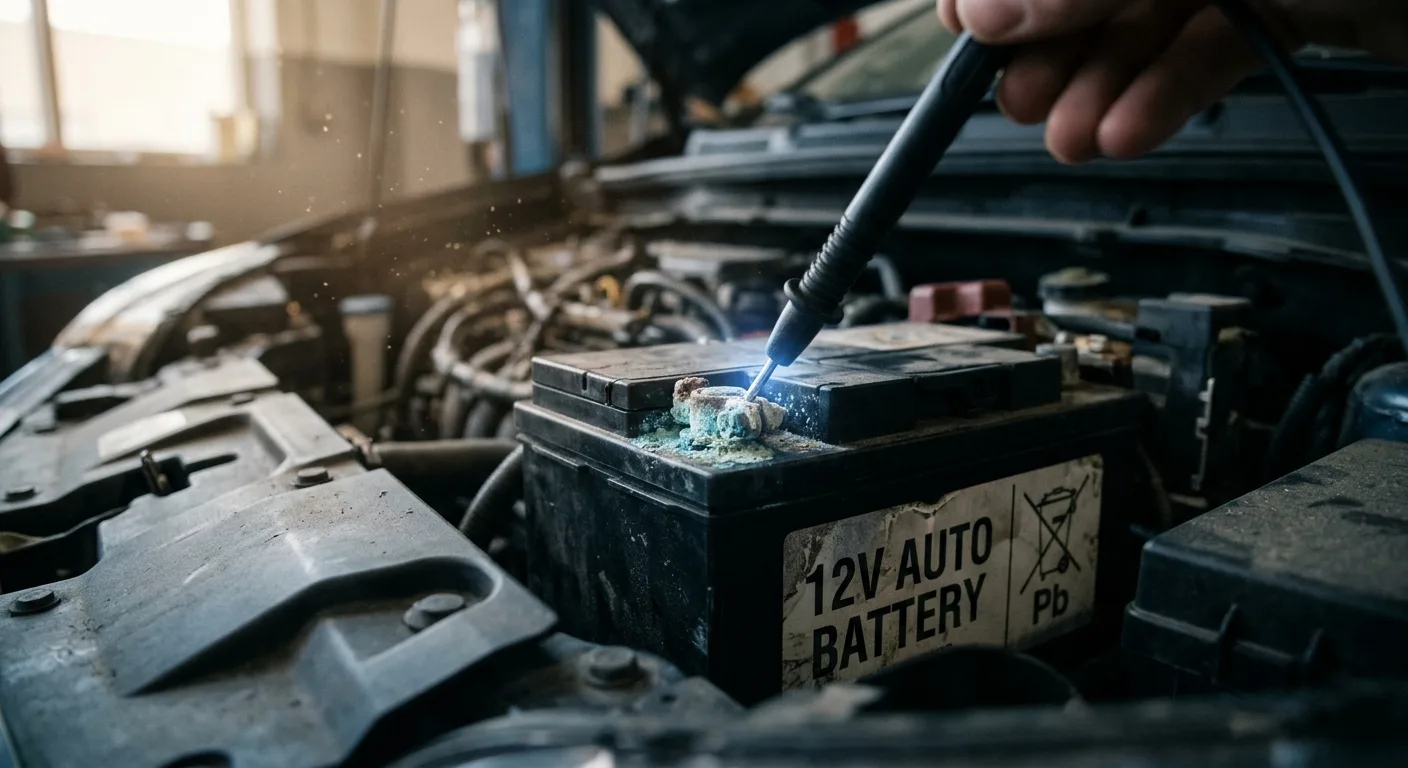
A 12V battery rarely dies dramatically. It weakens over months, and you notice odd things first: flickering lights, a sluggish boot release, random warning messages, or the car needing two presses to wake up.
People ignore these early hints until the morning it won't start. The consequence is being stranded when a planned replacement would have avoided it. Have the 12V battery load-tested at service, and replace it on age rather than waiting for failure. If you are comparing models and wondering which ones are fussier about aux power, the EV model directory is a sensible place to read owner patterns.
7: Blaming software when a fuse has blown
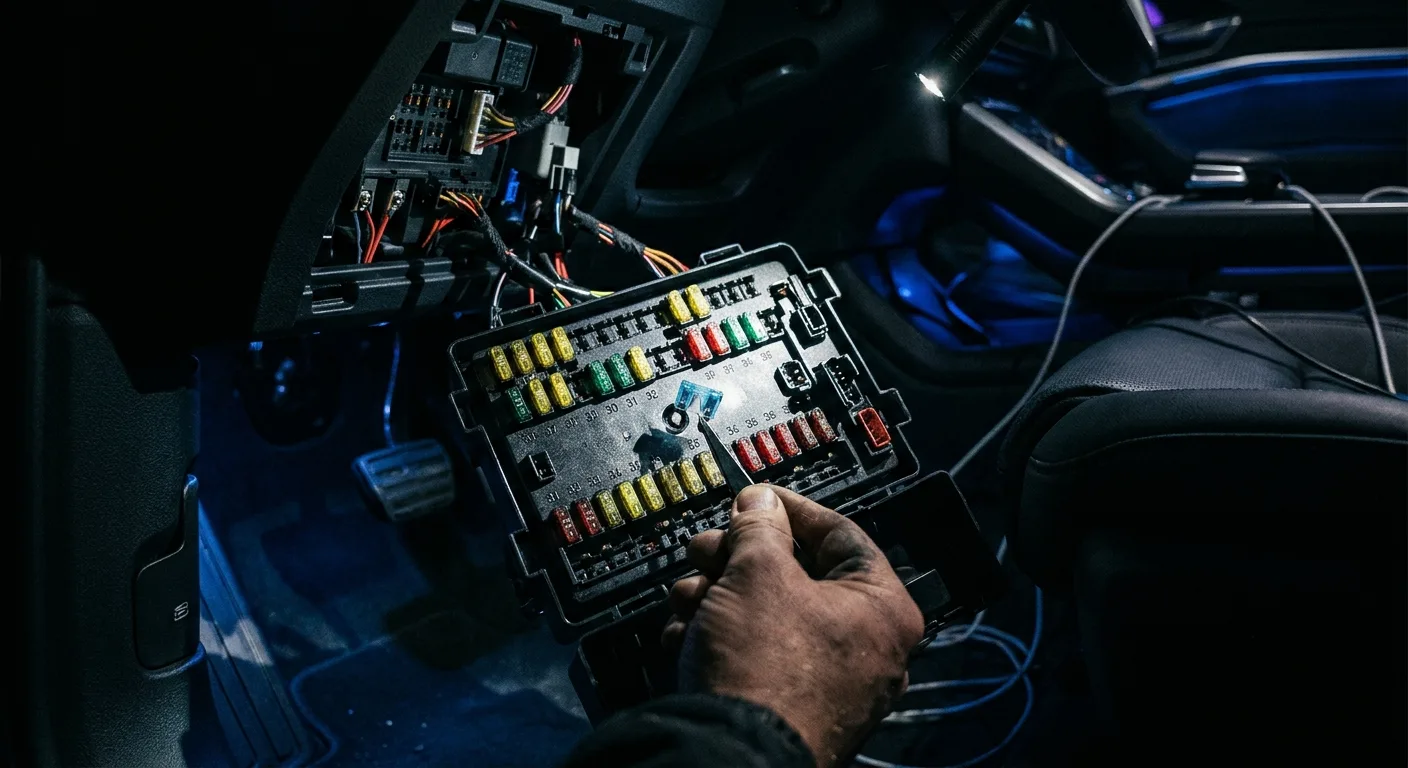
A blown fuse on a low-voltage circuit can knock out the very module that lets the car start. It looks exactly like a software glitch: lights on, no drive.
Owners jump to "the car needs a reboot" because modern EVs are computers on wheels. The consequence is wasted time and a service visit for a fuse you could have checked. Grab your manual's fuse map, check the relevant low-voltage fuses visually, and replace with the correct rating. Never uprate a fuse to "make it work".
8: Panicking over a warning you haven't read
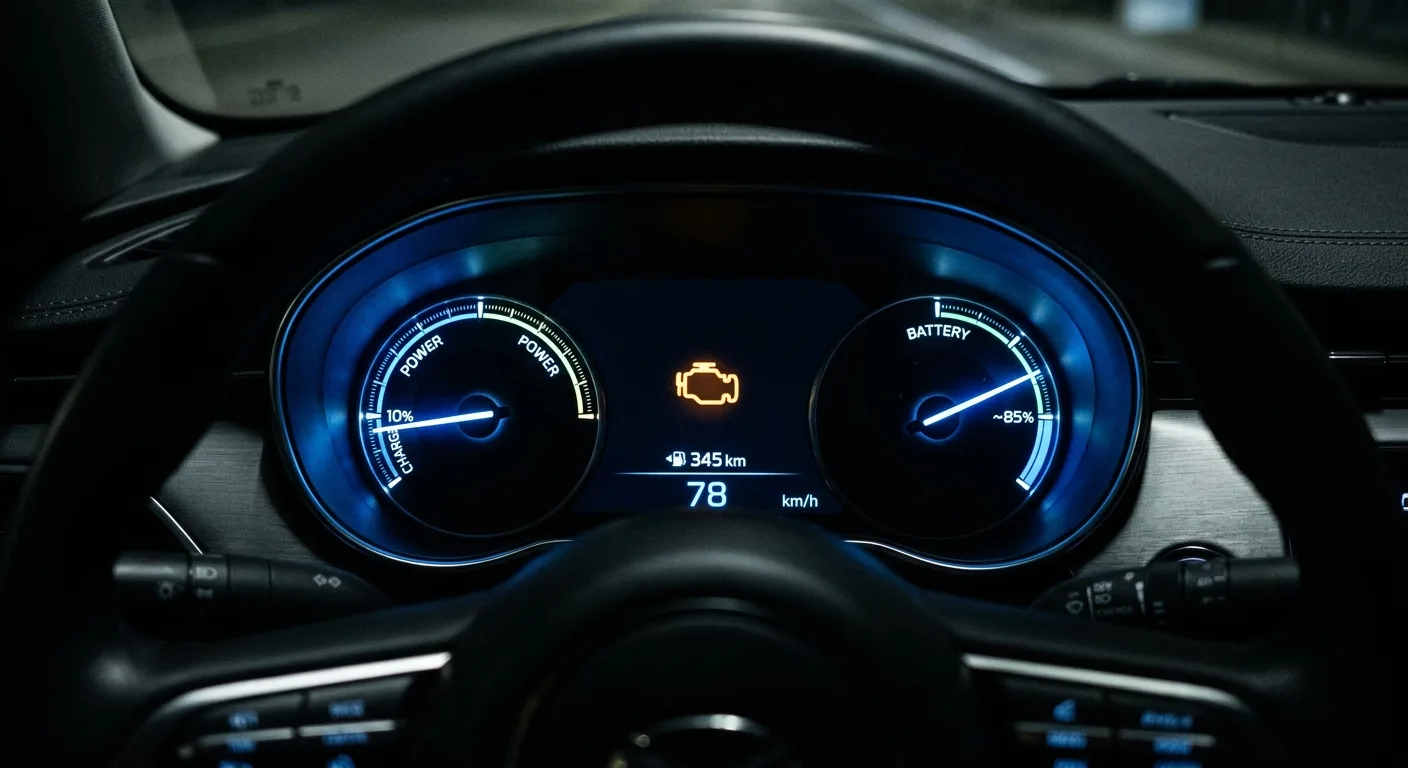
Modern EVs throw a lot of messages, and some of them sound terrifying: "service vehicle soon", "traction fault", "power limited". Many are advisory and the car will still start and drive to a garage.
The mistake is assuming the worst and abandoning the car. The consequence is an unnecessary recovery. Read the exact message, note any error code, and check what it means before you decide. A quick look at the troubleshooting guides can tell you whether a code is a "drive gently to service" or a "stop now".
9: Skipping the pre-checks before calling for a tow

Most no-start situations resolve with five minutes of checking: fob battery, brake pedal, charge cable, Park, 12V health, fuses. Calling recovery first is expensive and slow.
The fix is a small ritual. Before you call anyone, run the checks in the next section, note what you find, and only then escalate. If you want to estimate what a fix or a replacement might cost you down the line, the free EV calculators and tools can help you sanity-check running costs while you wait.
Do this instead
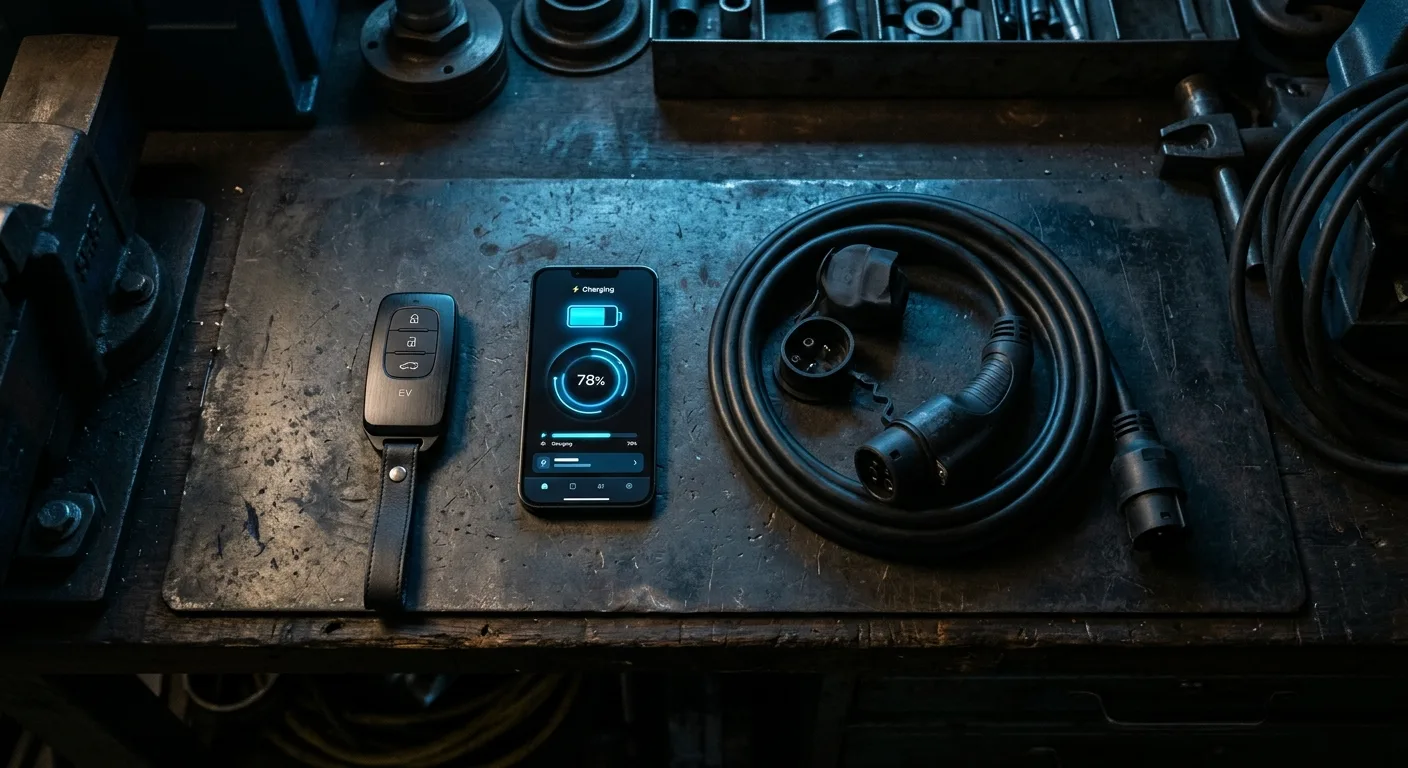
- Check the 12V system first, not the traction pack.
- Keep a jump pack and a spare fob battery in the car.
- Press the brake firmly and watch for the Ready light.
- Confirm the charge cable is out and the car is in Park.
- Read any warning message properly and note the code.
- Replace the 12V battery on age, not on failure.
- Never touch orange high-voltage cables; call a qualified technician.
- Run the pre-checks before calling recovery.
FAQ
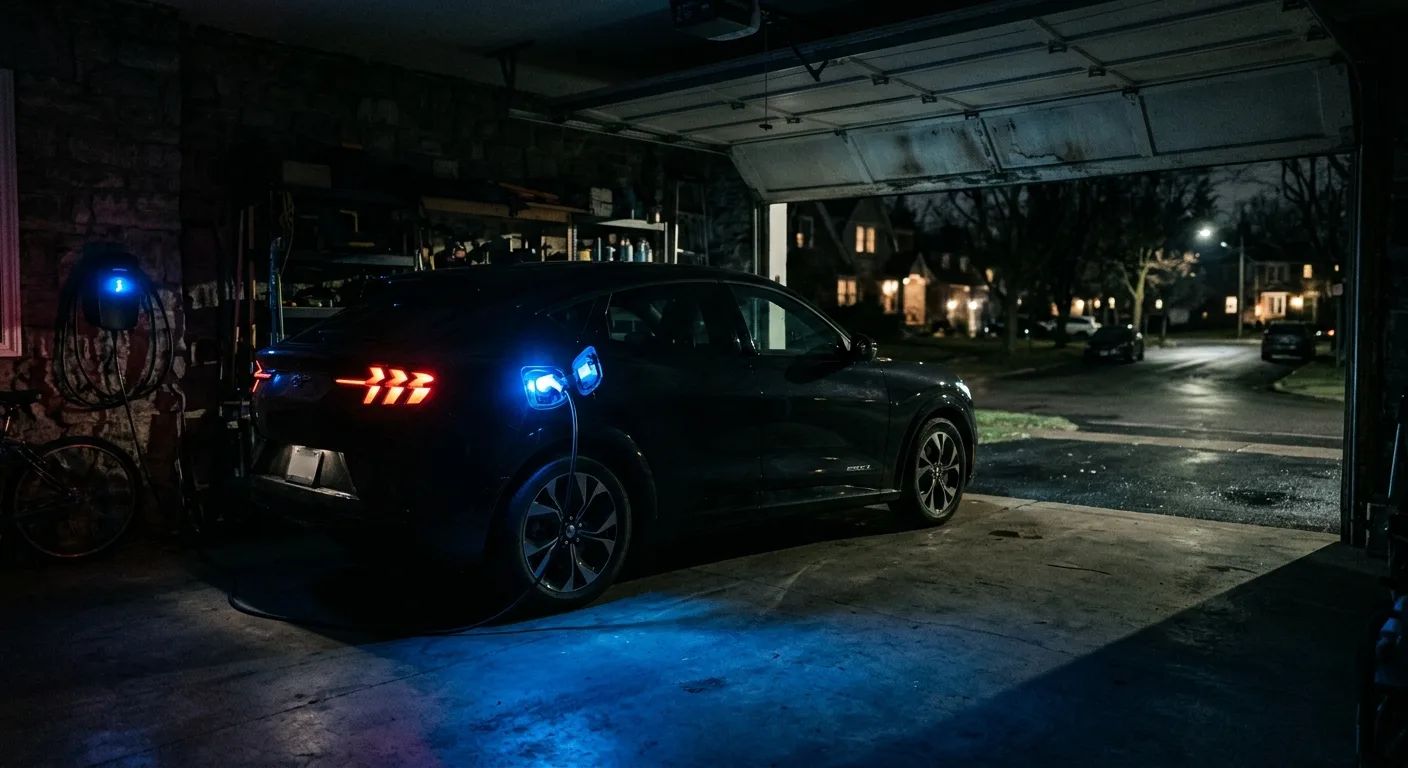
Can I jump-start my electric car myself? You can often jump the 12V aux battery following the manual, but never the high-voltage traction pack. If in doubt, call a professional.
Why does my EV show lights but won't go into drive? Common causes are not pressing the brake, the charge cable still plugged in, an immobiliser issue, or a blown low-voltage fuse.
How long do 12V batteries last in an EV? Typically a few years, though it varies with climate and use. Have it tested at service and replace it before it strands you.
Is a "traction fault" warning serious? It can be. Some are advisory, some mean stop driving. Note the code and check a troubleshooting guide or your dealer before deciding.
Should I call recovery straight away? No. Run the 12V, fob, brake, cable and fuse checks first; most no-starts are solved there.
Most EV no-starts are a cheap 12V or fob problem masquerading as a catastrophe, so check the small stuff first and leave the high-voltage work to the professionals.