Electric Cars
Electric Car Won't Charge: Step-by-Step Troubleshooting
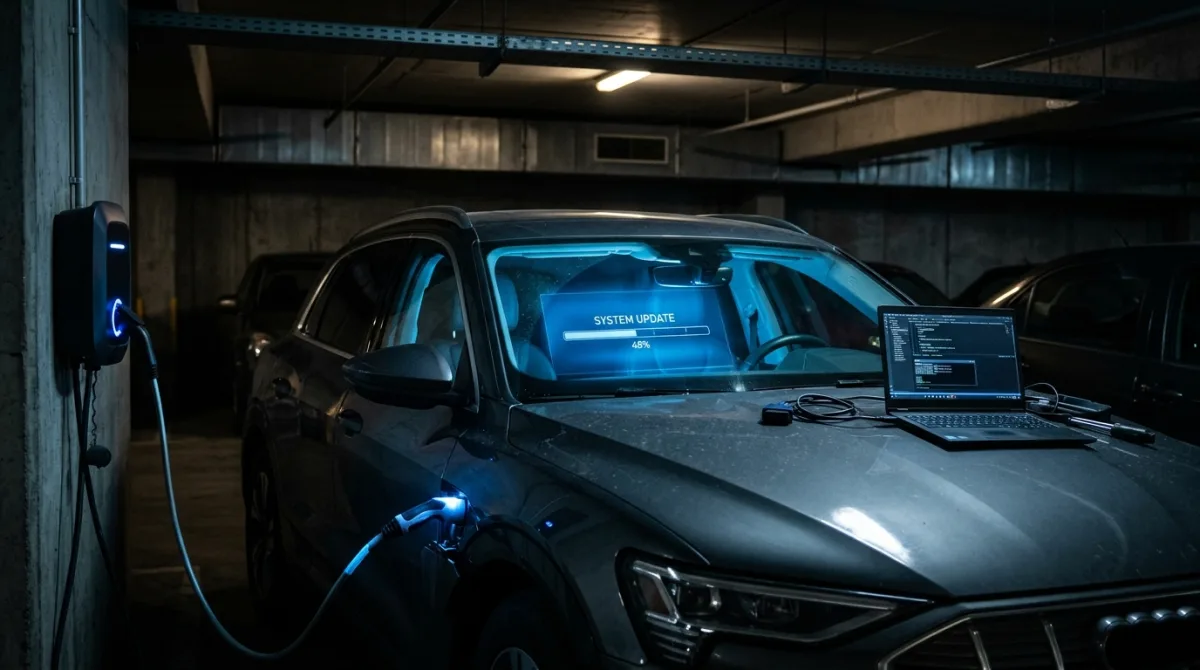
You plug in your EV at home, the car clicks a few times, but the charge port light stays dark and the app shows nothing is happening. Or charging starts for 30 seconds and then stops, repeating over and over. The dash may show 'charging not possible' or 'check charging cable', and the car might charge fine on public AC but not on your home unit.
What causes it
Most charging failures are not battery faults. They come from the cable, the socket, a scheduled charging timer, or a failed handshake between car and charger. A poor connection, a tripped breaker, an active charge schedule, or a communication mismatch can all stop the charge before it starts, which is why checking these simple items first often solves it.
You plug in at home, the car clicks a few times, the charge port light stays dark, and the app says nothing is happening. Or maybe the car starts charging for 30 seconds and then stops, over and over. Either way, you are dealing with a "charging fails to start" fault, and it is one of the most common EV headaches.
The good news: a surprising number of these cases have nothing to do with the car's battery. They are cable, socket, schedule or handshake problems you can check yourself in 15 minutes. This guide walks you through it in a safe order, and tells you clearly where to stop.
What this problem usually looks like
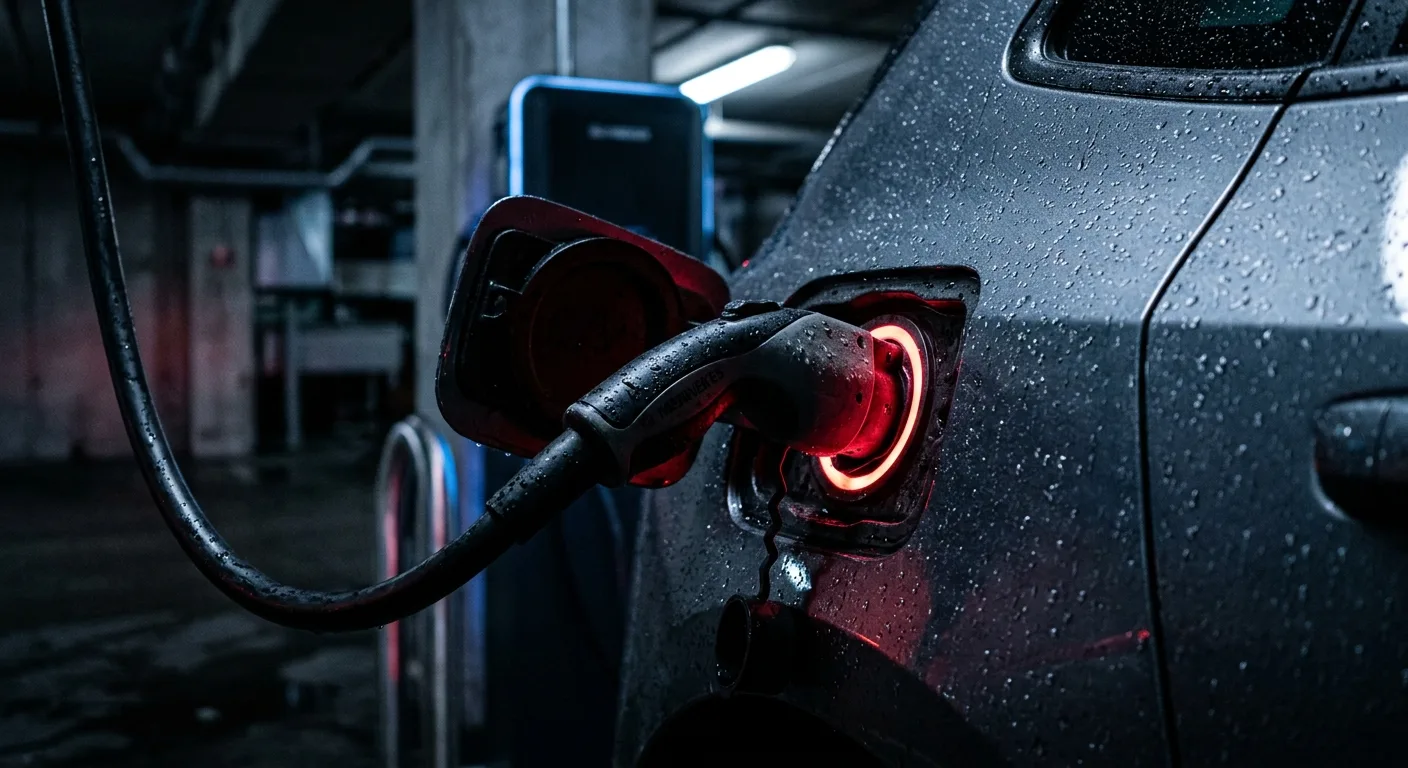
You will recognise your situation in one of these:
- The charge port light never comes on, or flashes a colour that means "fault" (check your manual for what each colour means, since it varies by model).
- The car beeps and shows a message like "charging not possible" or "check charging cable" on the dash.
- The charge starts, then drops out after seconds or minutes.
- The home wallbox works fine with another car, but not yours. Or the car charges fine on public AC but not on your home unit.
- The car only charges on DC fast charging, or only on AC. That split is a big clue.
Note the exact wording of any message and the light colour before you touch anything. That single detail saves a lot of guessing later.
Safety first: what to switch off, and what never to touch
Before any checks:
- Stop charging from the car's screen or the charger's app, then unplug. Never yank a cable out while current is flowing.
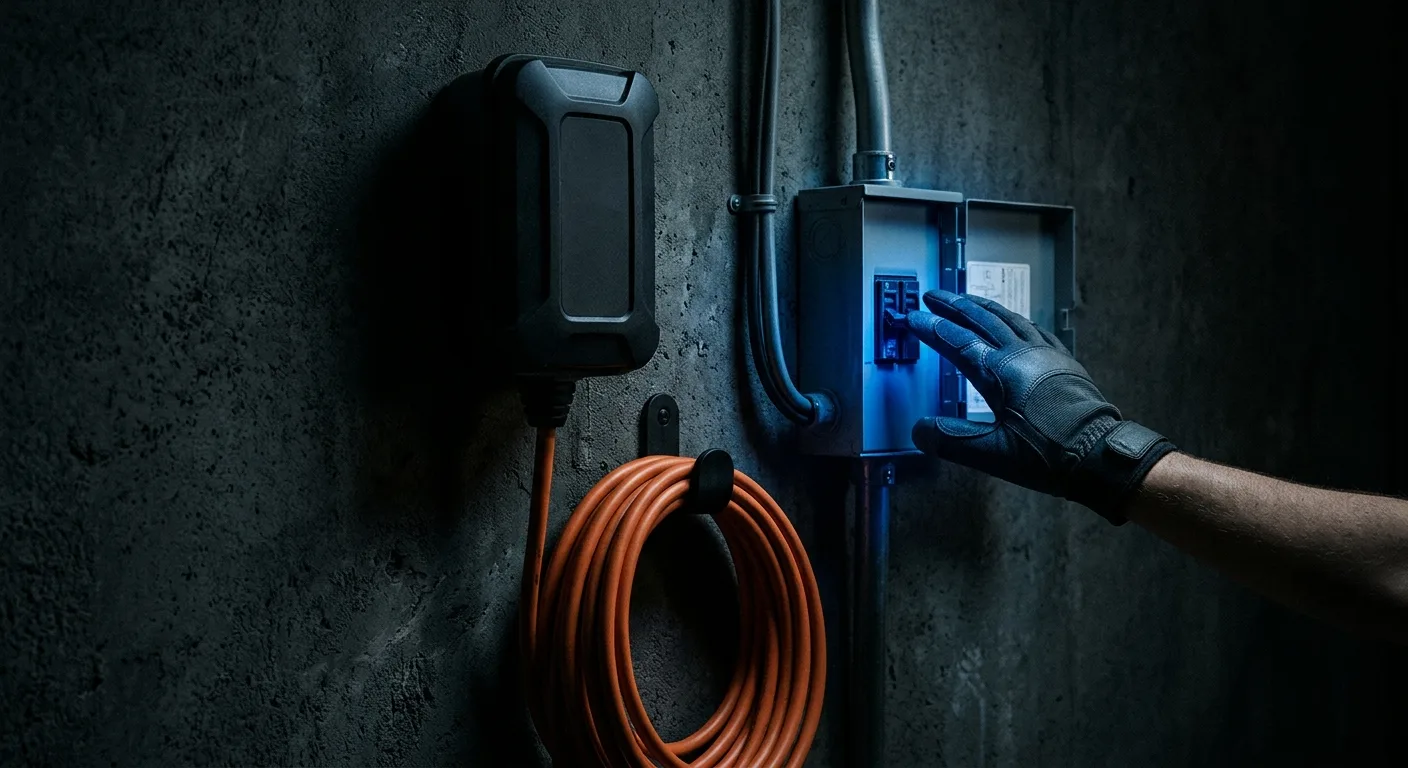
- Switch off the wallbox or charging station at its breaker if you are going to inspect the plug, socket or cable closely.
- Keep the car in Park, ignition off, and the key fob away from the port area.
Now the hard line. Do not open the high-voltage battery pack, do not touch orange cables, and do not remove covers held by orange or high-voltage warning labels. The traction battery runs at hundreds of volts DC and can kill you. Onboard charger internals, DC-DC converters and the charge port's high-voltage side are all professional-only territory. If your instinct is to reach for a multimeter inside the pack, stop reading and book a technician.
Low-voltage 12V work (checking the auxiliary battery, fuses, the charge flap actuator) is within reach of a careful owner with basic tools. Everything above that line is not.
Check these first, in this order
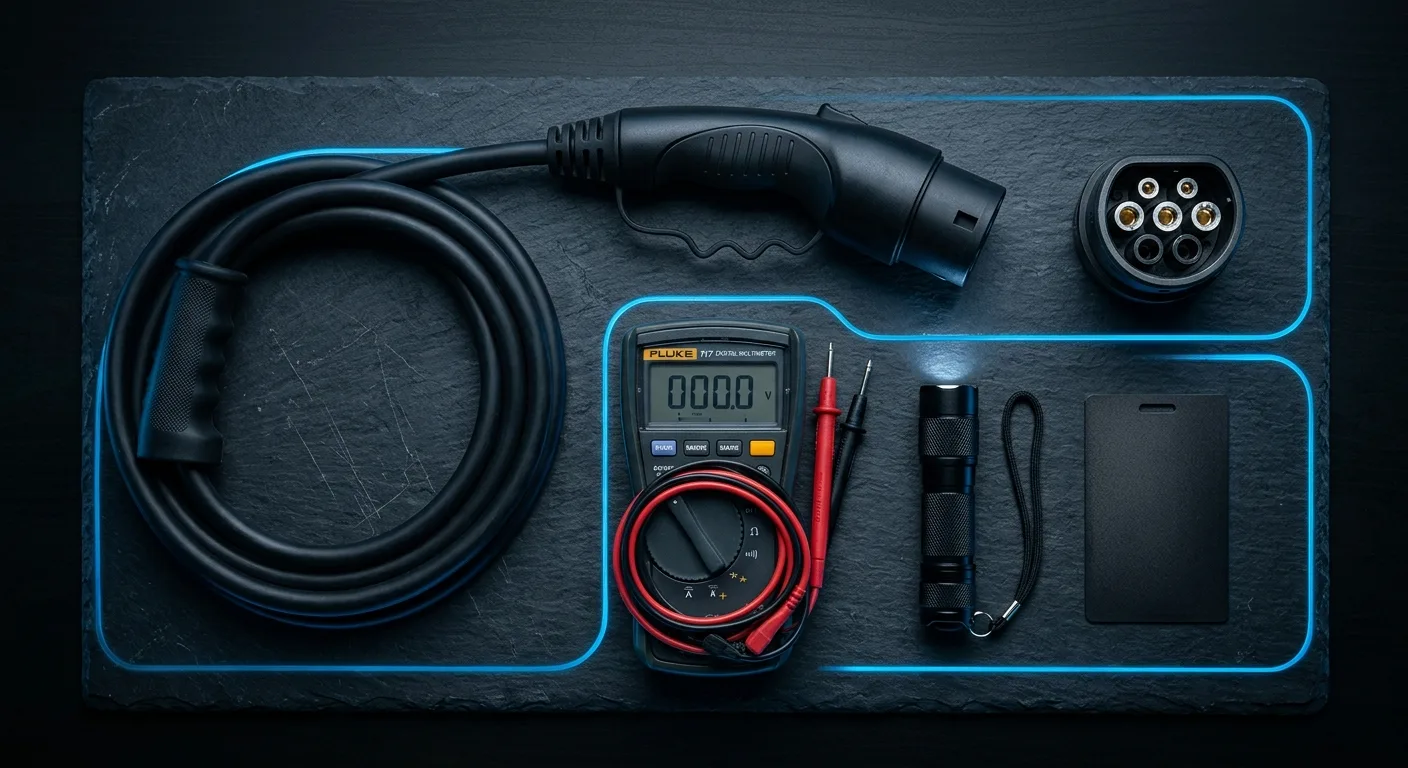
Work through these from easiest to hardest. Most faults are found in the first four.
1. Confirm the car actually wants to charge. Open the charging menu and check for a schedule, a "charge at off-peak only" timer, or a target state of charge already reached. Normal result: the car shows "waiting" or "ready to charge" when plugged in. If it is waiting for a schedule, that is your fault, not a hardware problem. Turn the schedule off and try again.
2. Check the cable is fully seated at both ends. Push the connector home until you feel or hear the latch click, and do the same at the wallbox. Normal result: a solid click and the port light waking up. If it is loose or the latch button is sticky, the car may refuse to start the handshake. Wiggling a worn connector can also cause dropouts mid-charge.
3. Look for moisture, dirt or damage in the plug and socket. Inspect the pins for corrosion, blackening, melted plastic or debris. Normal result: clean, dry, unbent pins. Blackened or melted pins mean stop, do not plug in again, and have the cable or socket replaced. Heat damage is a fire risk.
4. Try a different cable, or a different charger. If you use a portable granny cable, borrow or buy a known-good one. If you use a wallbox, try the public AC charger down the road, and vice versa. Normal result: the car charges on the other setup. If it does, the fault is in your cable or home unit, not the car. This one test splits the problem in half.
5. Check the 12V auxiliary battery. This is the sleeper cause. A weak 12V battery (roughly below 12.0-12.2V at rest, depending on the model) can stop the car waking up to start a charge, or cause the charge to abort. Many EVs also top up the 12V during charging, so a failing auxiliary battery shows up as charging trouble first. Normal result: about 12.4-12.7V at rest on a healthy lead-acid auxiliary battery; check your manual for your model's spec. If it is low or old, that is a strong suspect.
6. Check the charge port flap and actuator. Does the flap open and latch properly, and does the port's internal lock pin retract? A stuck actuator or lock pin can block charging on some models. Normal result: flap opens smoothly and the lock pin moves freely. A jammed pin is a common, replaceable fault.
7. Check fuses and error messages on the car. Scan the dash and app for stored warnings, and check the fuse box for any charging-related fuse your manual lists. Our EV diagnostic and fuse guides explain how to read these safely. Normal result: no relevant warnings, fuses intact. A blown fuse points to the circuit that owns it, not the battery.
If all seven pass and the car still won't charge, stop here and move to the professional section. Do not start dismantling the charge port.
The most likely cause
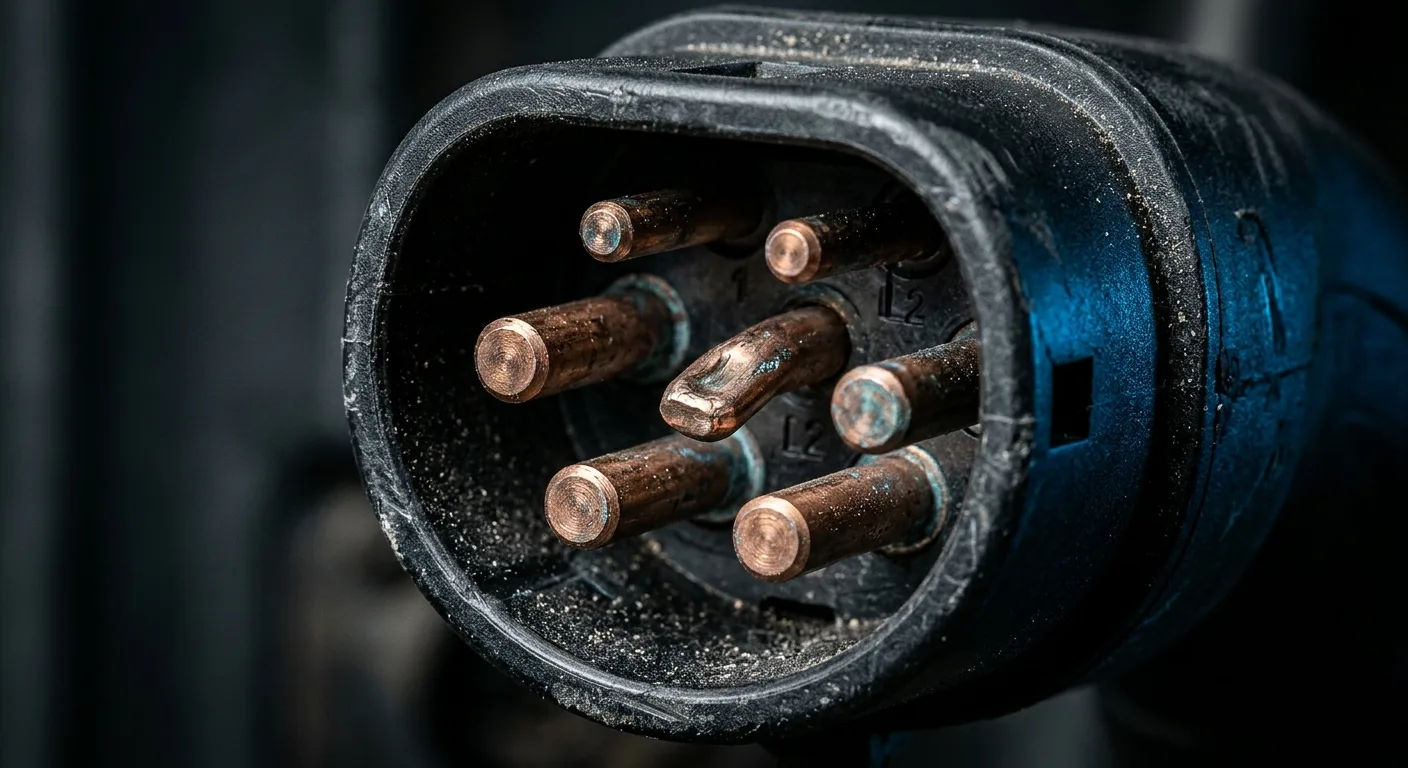
For a car that simply "won't start charging," the single most common culprit is a connection or handshake problem: a cable not fully latched, a worn or damp connector, or a schedule/charger setting blocking the start. The charging protocol needs the car and the charger to agree before any current flows. If that agreement fails, the car refuses, which is exactly the "nothing happens" symptom.
A close second, especially on cars a few years old, is a tired 12V auxiliary battery. It does not always throw an obvious warning, so owners chase the big battery when the small one is the problem. Behind those two come charge port actuator faults and faulty home wallboxes.
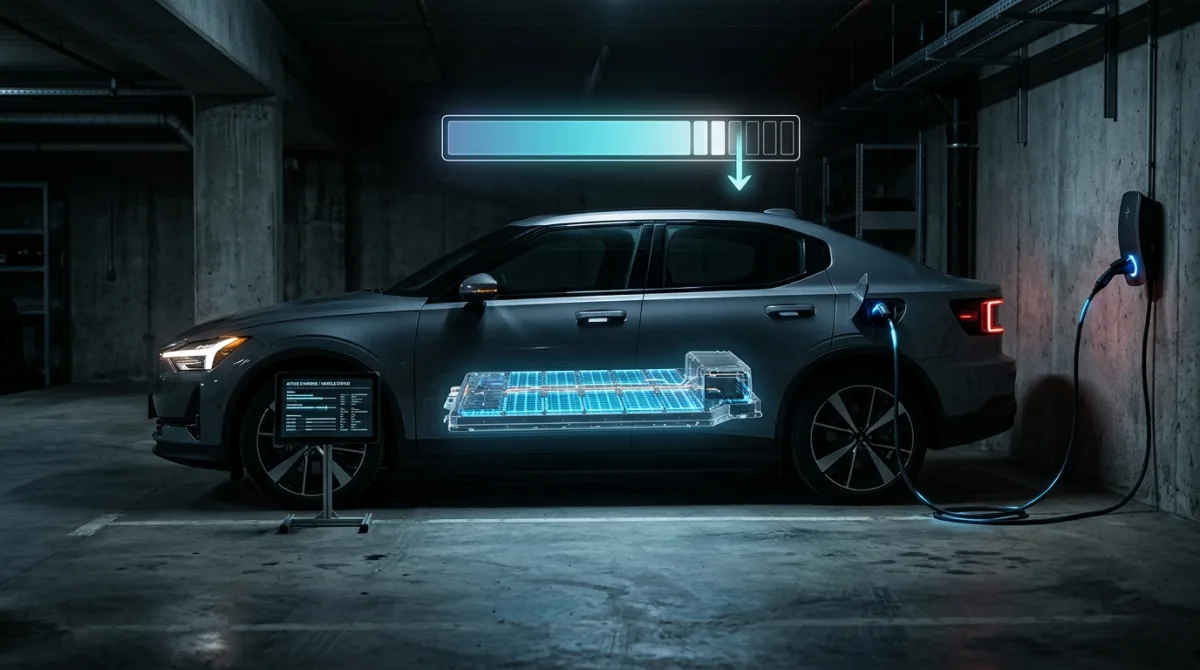
High-voltage pack faults are rare in this scenario. They get blamed a lot and are the actual cause far less often.
How to fix it
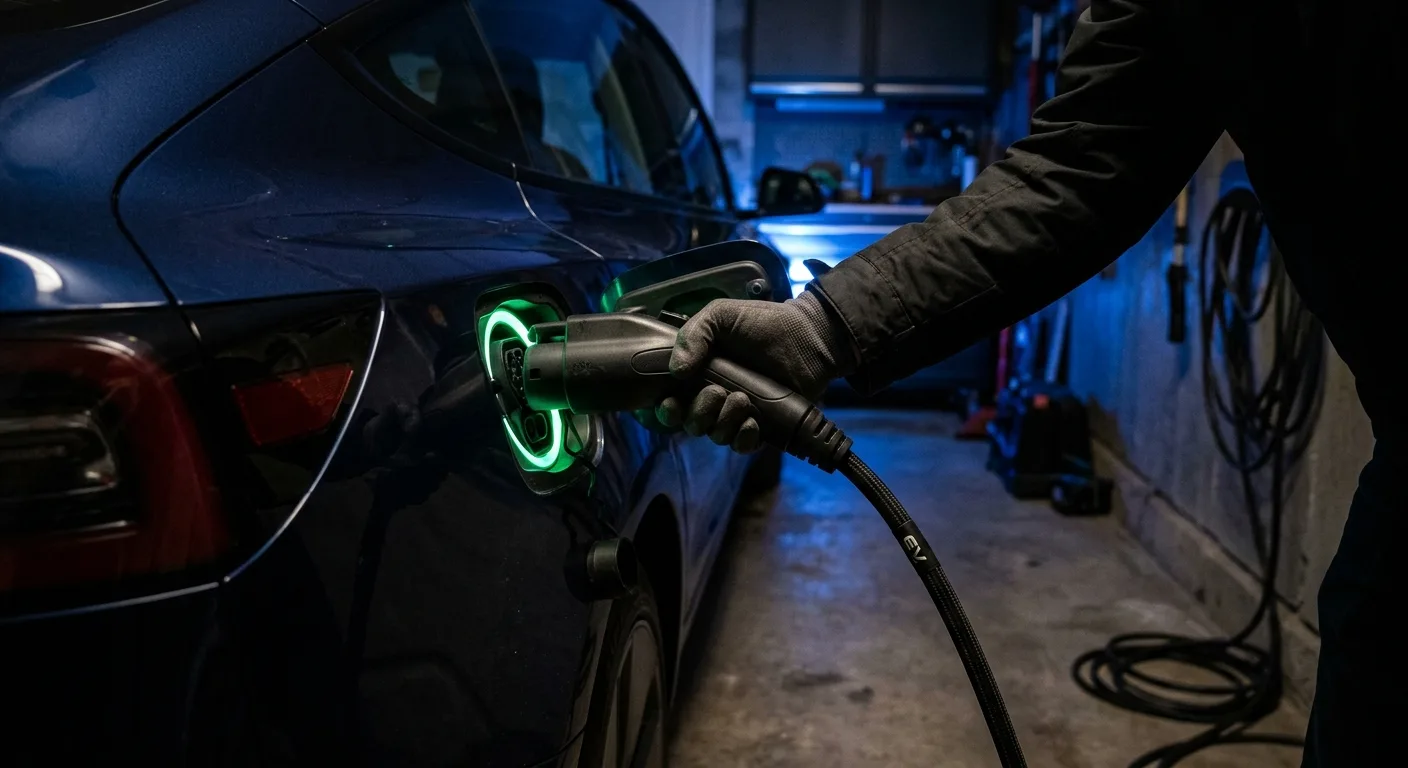
Match the fix to what you found:
- Schedule or setting blocking it: disable charge timers, set the target charge above the current level, and confirm the car shows "charging" after you plug in.
- Cable or connector fault: replace the cable. Do not tape up a damaged connector or bend pins back into shape. If the wallbox socket is damaged, that is an electrician's job.
- Weak 12V battery: charge it on a smart charger and retest. If it is more than a few years old or keeps dropping, replace it. Match the exact type and size your manual specifies.
- Stuck charge port flap or lock pin: on many models the actuator is a replaceable part a technician can swap without touching the high-voltage side. Ask for a quote before assuming the worst.
- Faulty home charger: if the car charges elsewhere, get the wallbox inspected. If your unit is old, this is a good moment to compare what newer home charging setups offer.
While you wait for a fix, you can still compare how different models handle charging faults by browsing the EV model directory and reading head-to-head EV comparisons. Some cars are simply fussier about cable quality than others. If you want to sanity-check your expected charging speed or cost, the free EV calculators and tools are handy.
When to see a professional
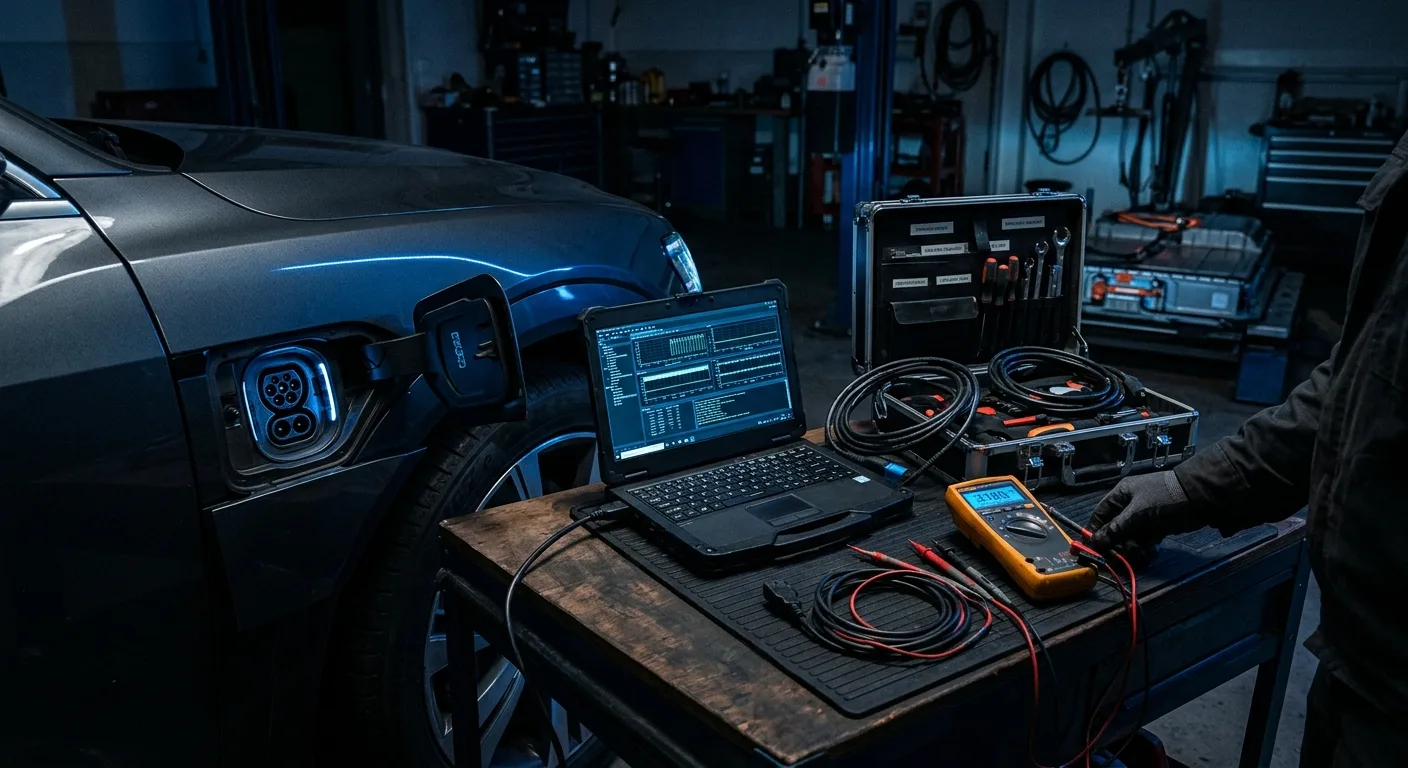
Stop and call a qualified technician if any of these apply:
- You see blackened, melted or burnt pins, or smell burning plastic.
- The car reports a high-voltage, insulation or battery fault.
- Charging aborts repeatedly on multiple different chargers and cables.
- The 12V battery keeps going flat even after replacement.
- You would need to remove any cover with an orange cable or high-voltage warning label behind it.
For those, do not keep retrying. Repeated failed charge attempts on a genuine fault can stress components. A technician with the right diagnostic tool can read the car's charging logs and tell you in minutes what would take you hours of guessing.
FAQ
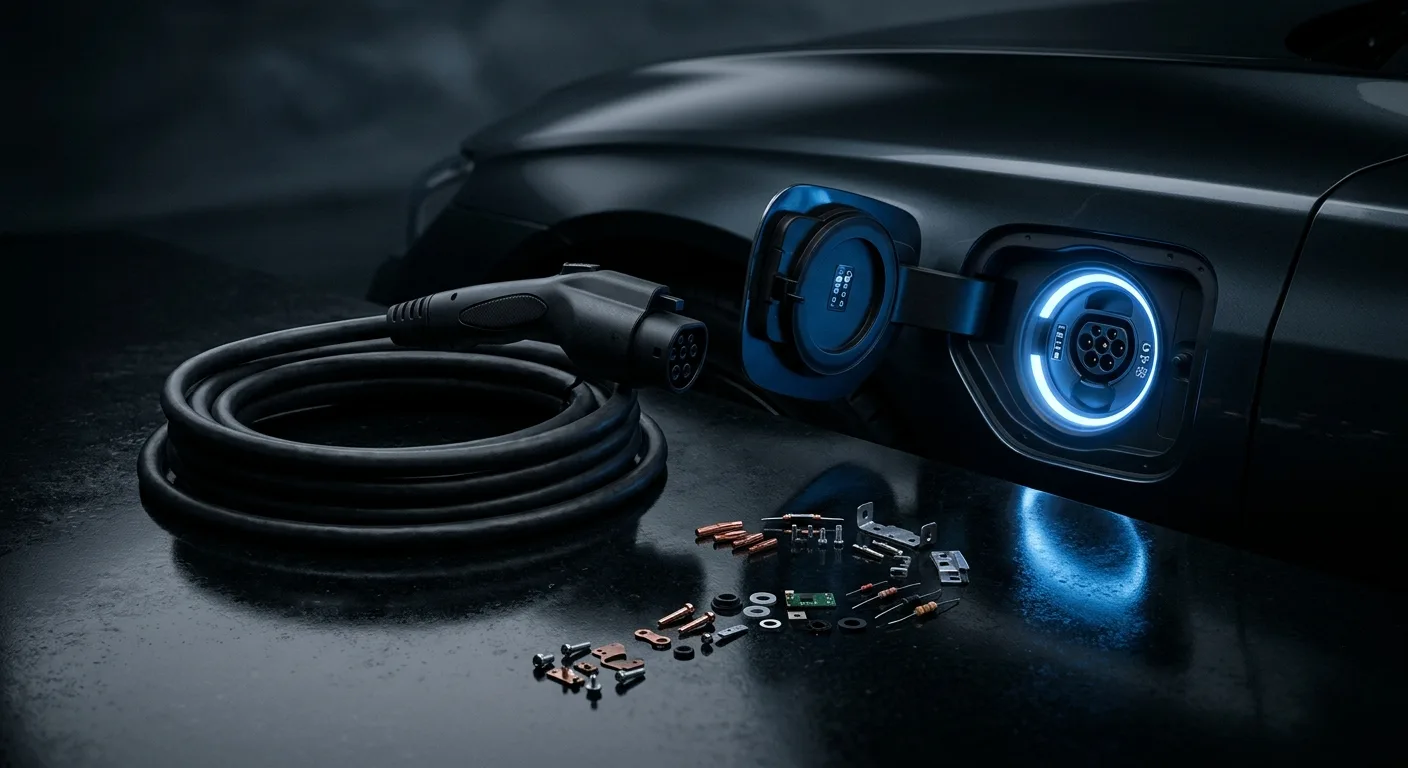
Why does my car charge on public chargers but not at home? Almost always the home wallbox or its cable, not the car. Test with a different cable at home, and check the wallbox breaker and any app settings on the unit itself.
Can a low 12V battery really stop my EV from charging? Yes. The car needs the auxiliary battery to wake up and manage the charge. If it is weak, the start can fail or abort partway. It is one of the most overlooked causes.
Is it safe to use a charging cable with a slightly damaged plug? No. Damaged, blackened or bent pins can arc and overheat. Replace the cable rather than repairing it.
My car starts charging then stops after a minute. What does that mean? A dropout mid-charge usually points to a loose or worn connection, a heat issue at the plug, or a charger fault. If it happens on several chargers, get the car checked.
How do I know if it is the car or the charger? The swap test: charge the car on a different charger, and if possible charge a different car on your charger. Whichever one fails follows the fault.
For more fault-specific walkthroughs, the EV troubleshooting guides cover the other common charging and drivetrain symptoms.