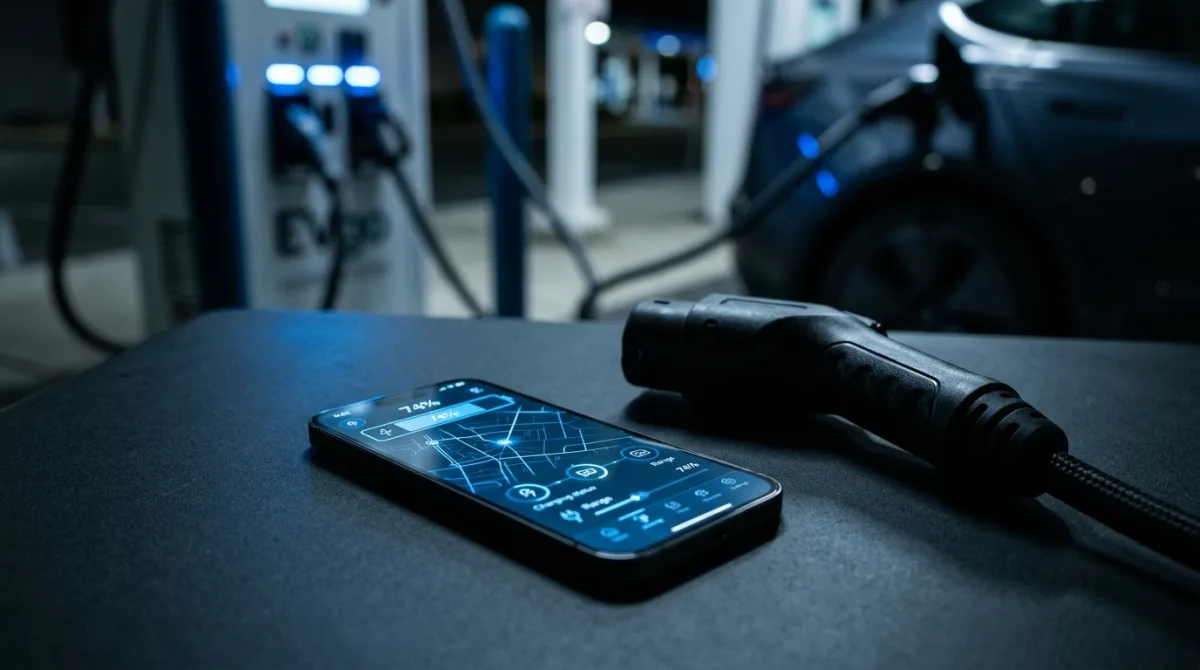
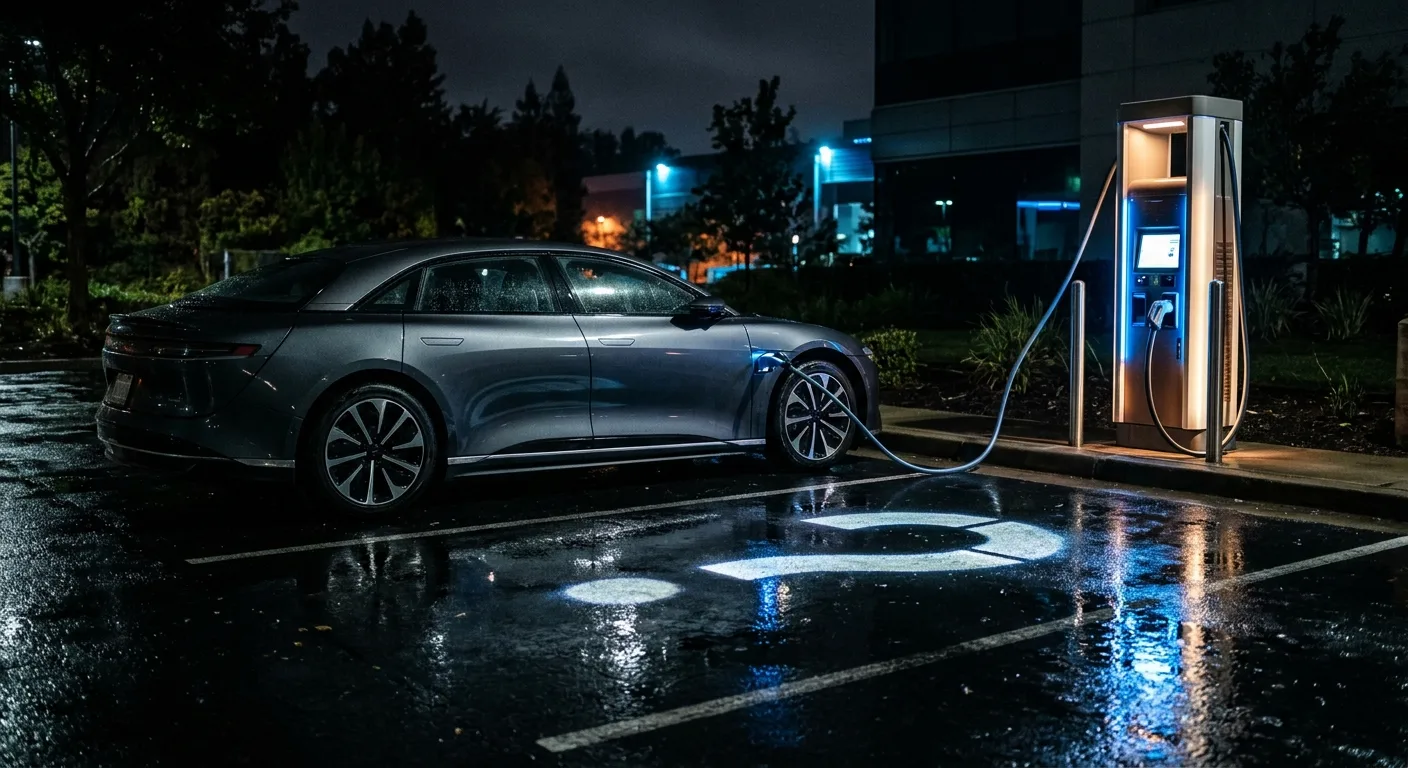
I was sitting in a supermarket car park at 11pm, watching a stranger in a Nissan Leaf reverse away from the only working rapid charger in town, when it hit me: I had spent the last forty minutes doing something an experienced driver would never do. I had arrived at 18% charge, plugged in, and then sat in the car with the heater on full, waiting for the battery to crawl to 80% so I could "finish properly." The stranger had pulled in at 15%, plugged in, walked off to buy milk, and left at 45%. They got what they needed. I got cold and impatient.
That was three years ago. Since then I have driven a small electric hatchback, a used e-scooter, and a borrowed electric motorcycle, and I have made almost every mistake in the book. Here is what actually changed once the novelty wore off.
Why I started paying attention
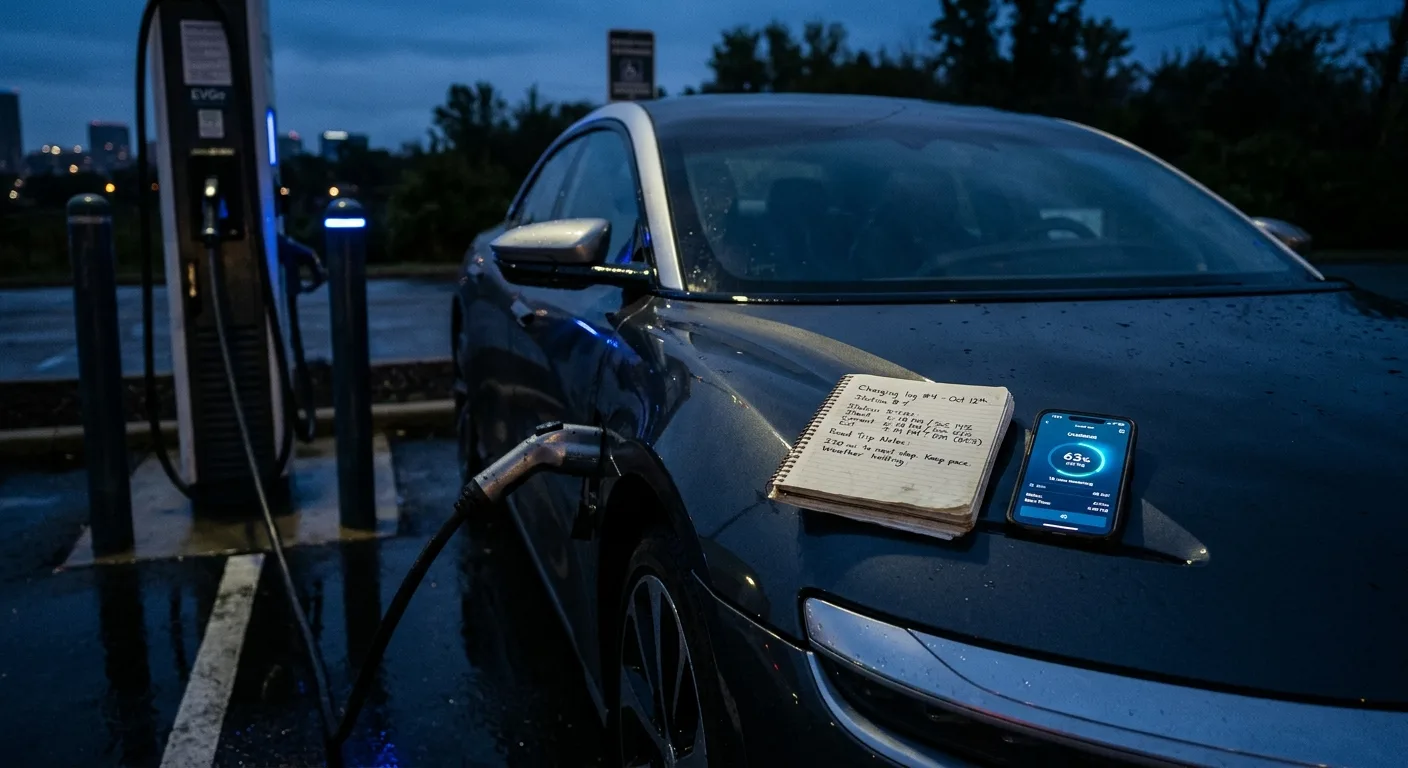
The backstory is unglamorous. My commute is 34 km each way, mostly motorway, and my first winter with the car was a shock. The official range was around 380 km. In February, with the heater on and a headwind, I was seeing closer to 240 km on a full charge. I panicked, charged to 100% every night, and somehow still felt anxious. The turning point was realising I was treating the car like a petrol one: fill to full, drive to empty, repeat. Once I stopped doing that, the anxiety mostly went away.
The moments that taught me

The night I learned to charge like a local, not a tourist
The supermarket incident was the first lesson. Rapid chargers are for topping up, not for sitting. Most cars slow their charging rate dramatically above roughly 80% to protect the battery, so those last twenty minutes of my 11pm wait were giving me very little range for a lot of time. Experienced drivers aim for the middle of the battery, not the top.
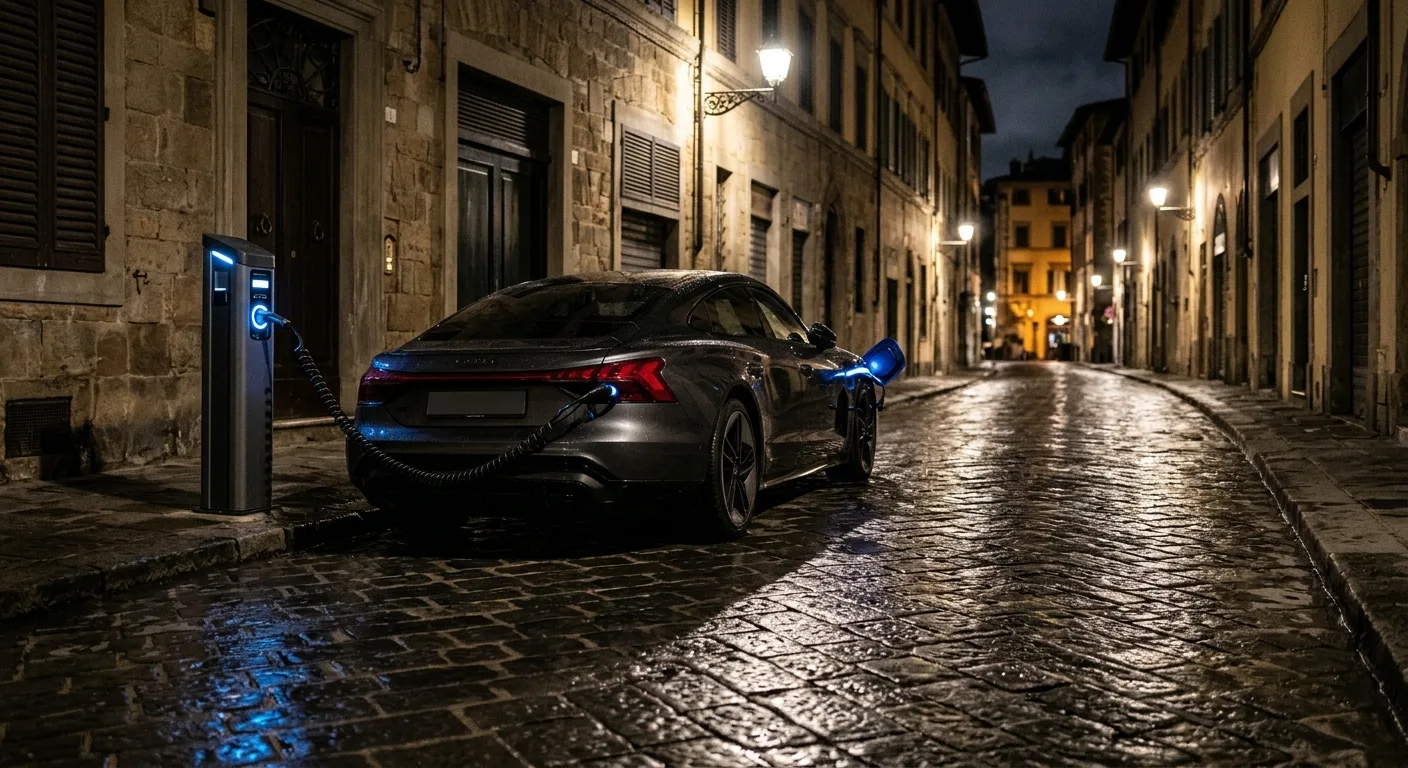
I now plan long trips around charging stops of 15-25 minutes, usually at a point where I am around 10-20% and only need to get to 60-70% before moving on. If a charger is busy, I do not queue for a rapid when a slower AC unit nearby will do while I eat. On busy routes, that is often faster in total.
Winter range is real, and the fix is mostly boring
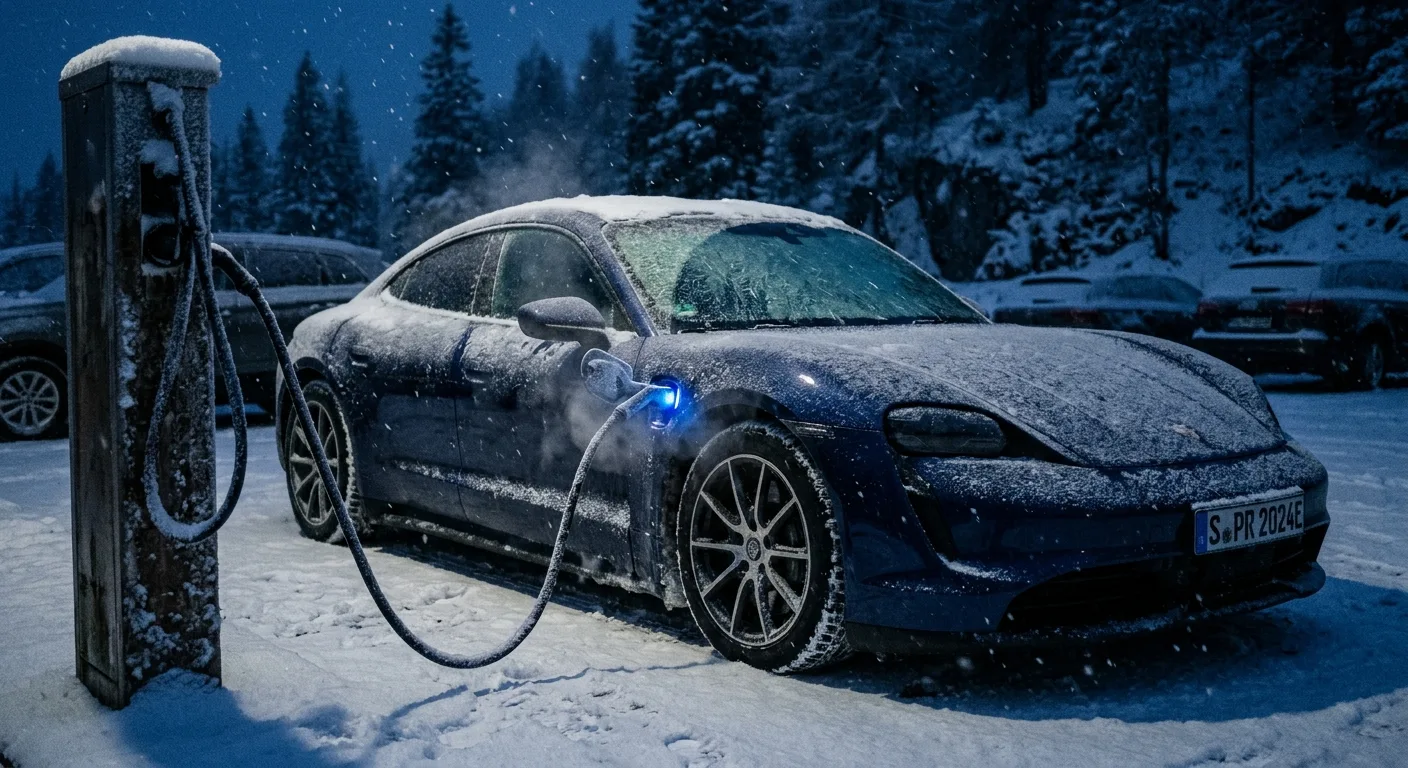
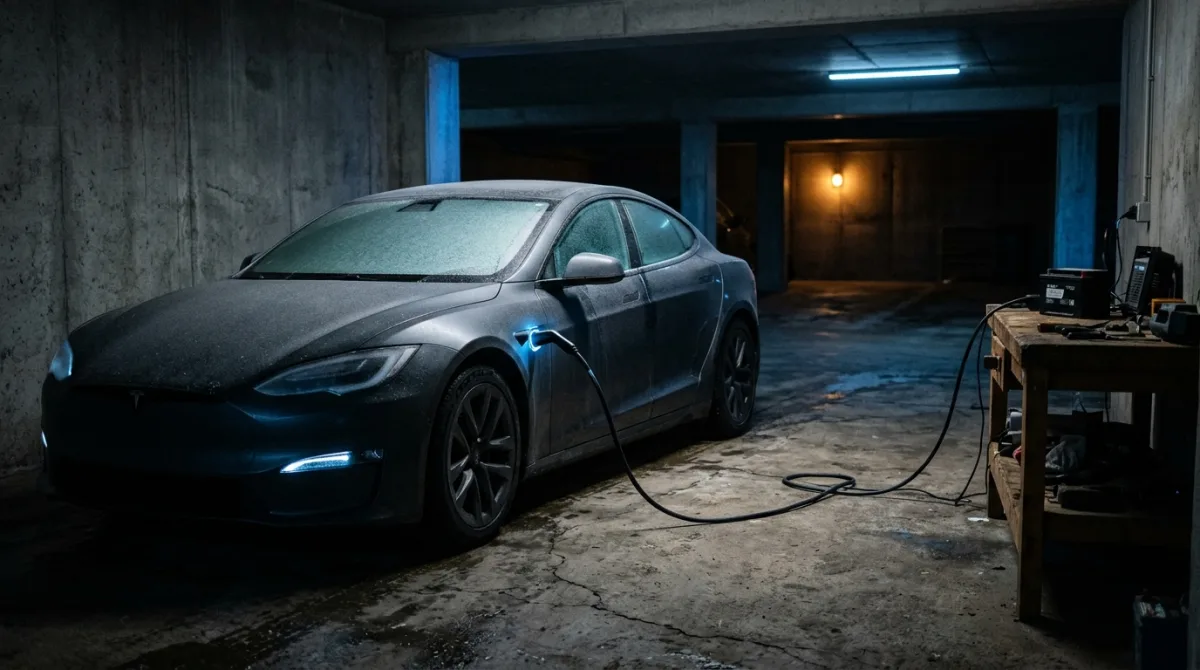
I used to arrive at work with the heater blasting and watch the range estimate drop faster than the distance. Then I started doing two cheap things: pre-heating the cabin while still plugged in at home, and using the heated seat and steering wheel instead of the main heater when driving alone. A heated seat warms me, not the whole car, and it draws far less power.
I also stopped believing the range number on the dash. The "guess-o-meter" changes with temperature, driving style and how you have been driving for the last few kilometres. What I trust now is a simple consumption figure: my car shows something around 16-19 kWh per 100 km in mild weather and often 22-26 kWh per 100 km in cold motorway driving. If you want to compare your own car's real-world figures rather than brochure numbers, the head-to-head EV comparisons on this site are a decent starting point.
The 12V battery nearly stranded me
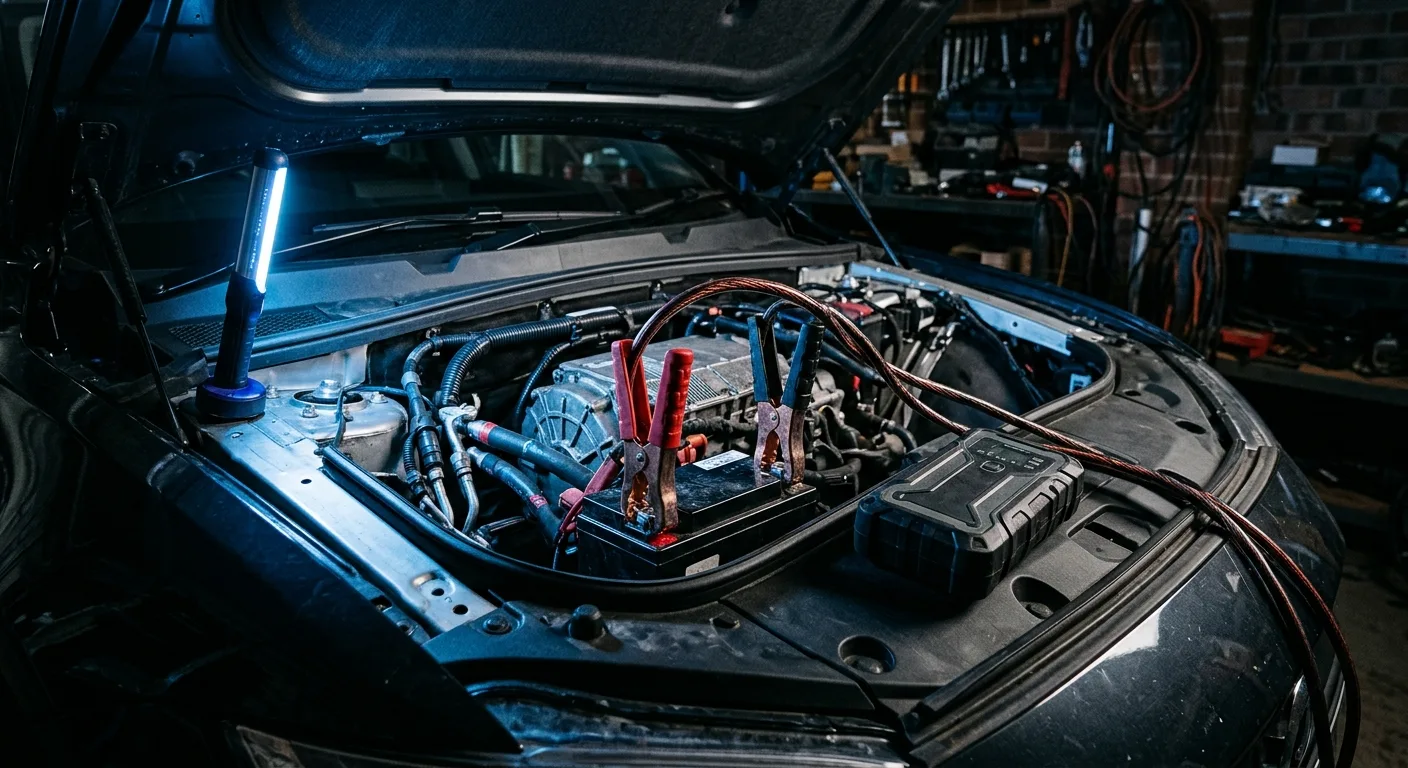
This one still stings. The main traction battery was at 60%. The car would not start. No warning, just a click and a dead dashboard. The culprit was the ordinary 12V battery, which runs the electronics, lights and the contactor that wakes up the big battery. It had been slowly dying for months and I never checked it.
A jump start got me home. Since then, I check the 12V battery voltage every few months with a cheap multimeter, and I know that a reading much below 12.4V at rest means it is getting tired. This kind of low-voltage fault is exactly the sort of thing you can start diagnosing yourself. The EV diagnostic and fuse guides on the site walk through the safe checks. Anything involving the orange high-voltage cables is a different matter entirely, and I do not touch those.
I stopped chasing the cheapest public charge
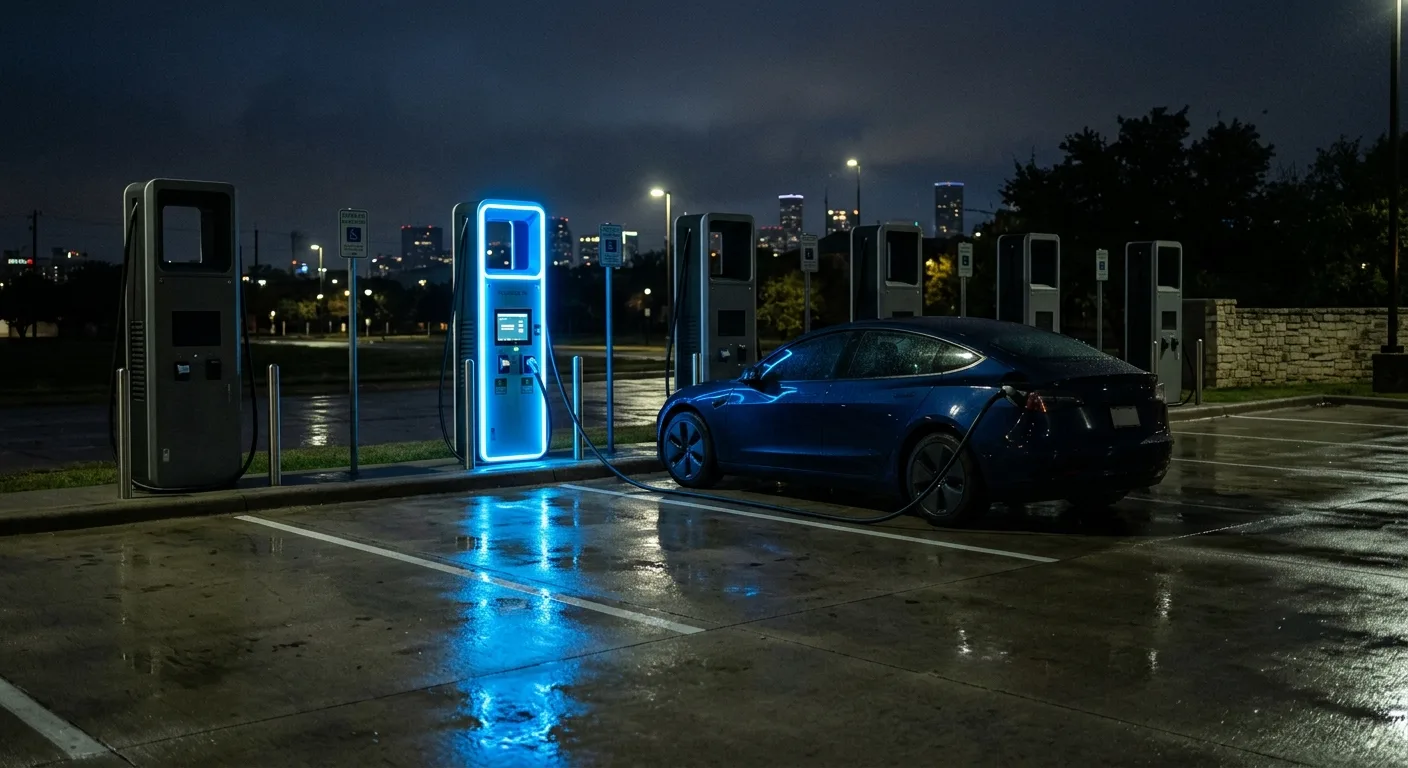
Early on I would drive ten minutes out of my way to save a few cents per kWh. I once spent 25 minutes detouring to a free charger, only to find it occupied. The time cost was worth more than the saving. Now I charge at home for the bulk of my mileage, use public rapid chargers only when I need them, and accept that a busy motorway rapid will cost noticeably more per kWh than my home tariff. Expect roughly two to three times the home rate at a motorway rapid, though it varies a lot by network and country. Check the price in the app before you plug in.
I stopped buying cars on headline range
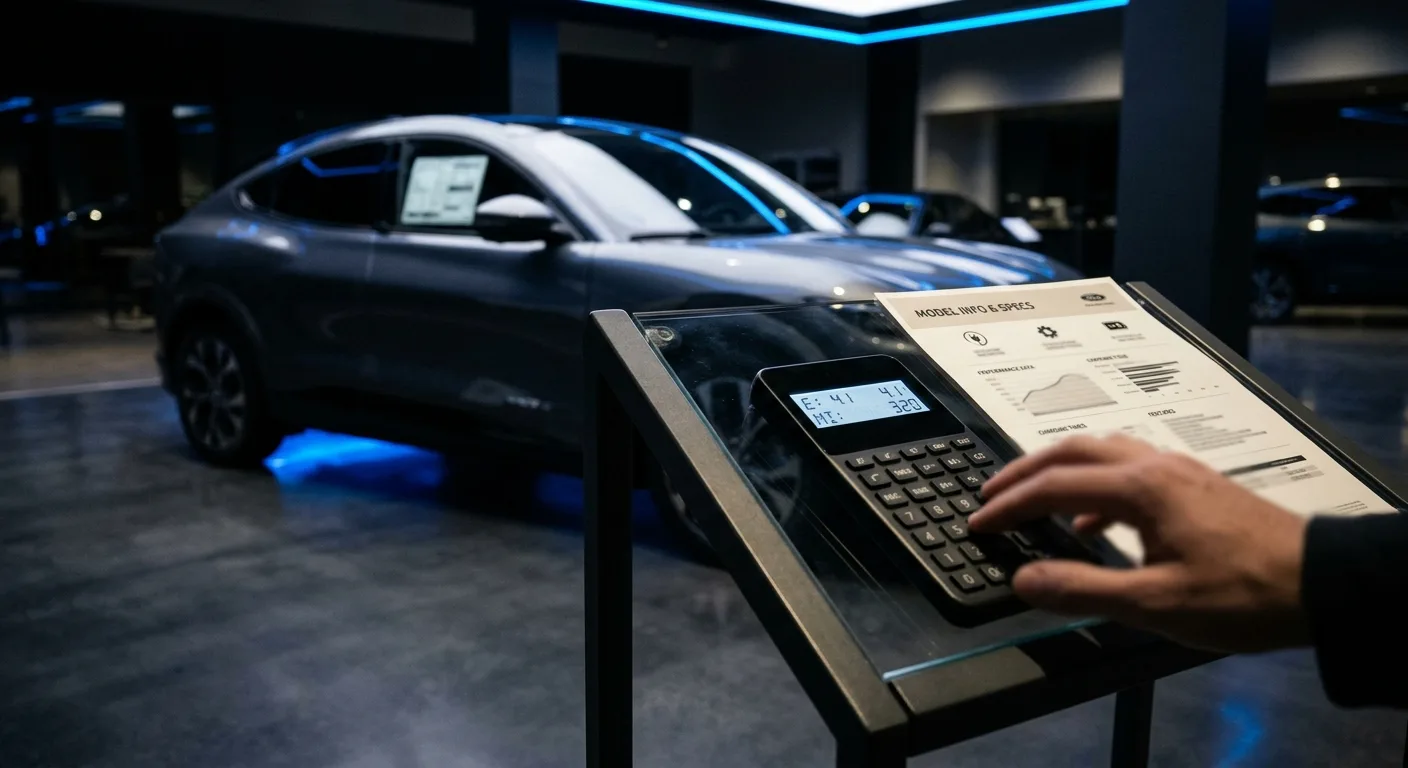
The biggest lesson is about buying, not driving. When I helped a friend choose a used EV, we looked at the advertised range first and the real-world data second. Backwards. The brochure figure is measured under ideal conditions. What matters is how the car behaves on your actual roads, in your actual weather, and how fast it charges when it is cold. We ended up looking at the EV model directory to shortlist a few cars by body type and budget, then read owner experiences before deciding. That saved an expensive mistake.
Honest pros and cons
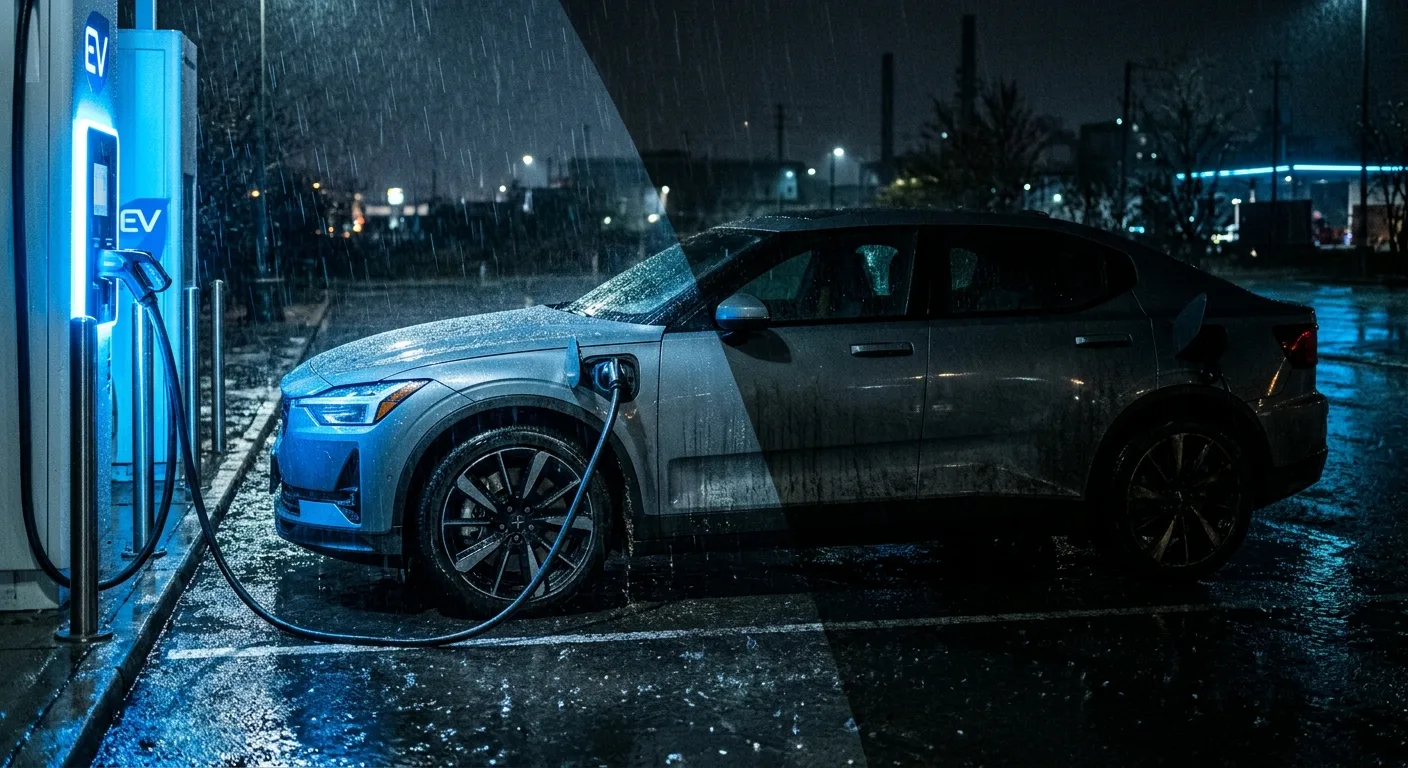
What I genuinely love: the running cost for home charging is low, the car is quiet and smooth in traffic, and I no longer visit petrol stations at all. Maintenance has been minimal, mostly tyres and that 12V battery.
What still annoys me: public charging is inconsistent. A charger that worked last week can be broken, occupied, or slower than advertised. Cold weather eats range. And long trips need planning, even if only a little. If you do not have off-street parking for home charging, the whole experience is harder.
What it actually cost

These are rough figures from my own experience, not quotes. Prices vary a lot by country and year, so treat them as a guide and verify locally.
| Item | Approximate cost |
|---|---|
| Home charging (per kWh, off-peak tariff) | Roughly a fifth to a quarter of a motorway rapid rate |
| Motorway rapid charging (per kWh) | Expect around 2-3x the home rate |
| 12V battery replacement | Roughly 80-200 depending on the car |
| Multimeter for 12V checks | Around 15-30 |
| Typical annual servicing | Often lower than a petrol equivalent; tyres are the main cost |
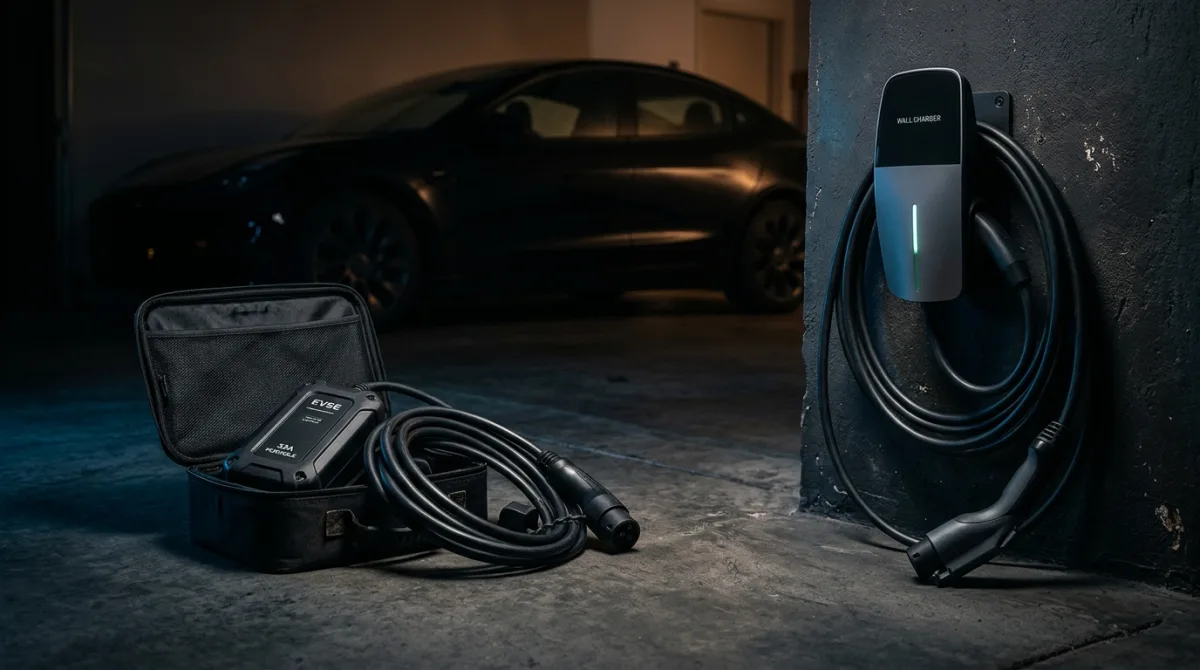
| Home wallbox installation | Expect roughly 500-1,500 including unit, varies widely |
If you want to run your own numbers on charging cost or range, the free EV calculators and tools give you a quick way to do it without guessing.
What I would do differently
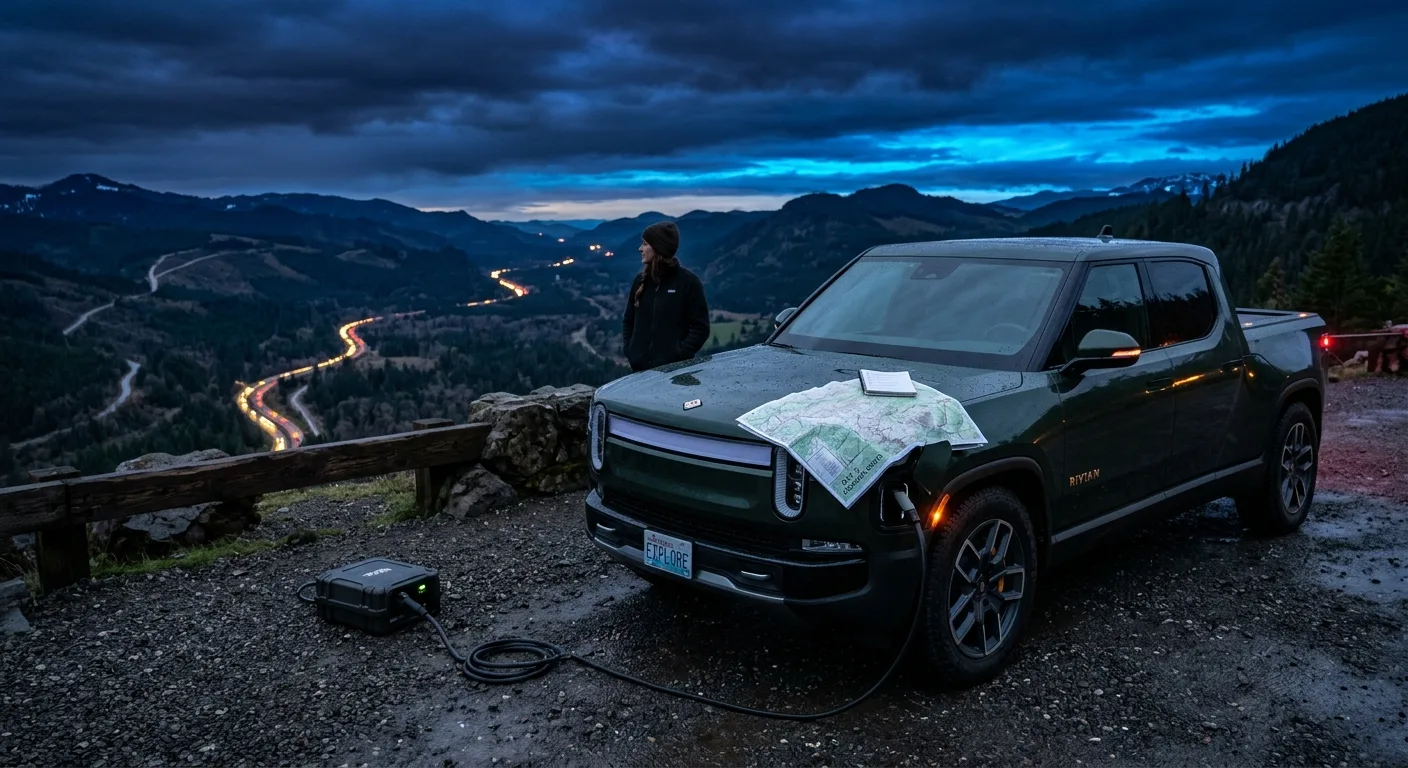
- Check the 12V battery before it strands me. Now part of my routine, not an emergency.
- Buy on real-world data, not brochure range. Cold weather and motorway speeds change everything.
- Charge to 80% for daily use, 100% only before a long trip. My battery has thanked me for it.
- Use heated seats before the main heater in winter. Cheaper range, warmer me.
- Plan charging stops around meals, not around the car. Twenty minutes with a coffee beats forty minutes staring at a screen.
Quick practical tips

- Pre-condition the cabin while plugged in, not on battery power.
- Trust consumption figures (kWh per 100 km) over the range estimate.
- Check charger status in the app before driving to it.
- Keep a cheap multimeter and check the 12V battery every few months.
- Never touch orange high-voltage cabling. That is a qualified technician's job, full stop.
FAQ
Is it worth charging to 100% every night? For most daily driving, no. Charging to around 80% is gentler on the battery and plenty for normal use. Save the full charge for long trips.
Why does my range drop so much in winter? Cold slows the battery chemistry and the heater draws power. Pre-heating while plugged in and using seat heating both help.
Can I fix a dead 12V battery myself? A jump start and a replacement are within reach for a careful owner. If the car still will not wake up, or you suspect a high-voltage fault, stop and call a qualified technician.
Should I buy a used EV with a tired battery? Get a battery health check first. Real-world range matters more than the original brochure figure.
The car park at 11pm taught me more than any manual. These days I plug in, walk away, and let the car do its job. The best EV drivers I know are not the ones with the newest cars. They are the ones who stopped fighting the way electric cars actually work.
Ready to act on what you just read? Explorethe EV model directory, head-to-head EV comparisons or the free EV calculators and tools. The rest of this site is built to help you take the next step.