Timing your electric vehicle purchase in 2026 can save you up to $12,500 if you combine federal incentives with state-level point-of-sale discounts. Stacking state rebates on top of the $7,500 federal credit drops the effective price of popular crossovers like the $44,990 Hyundai Ioniq 5 down to $32,490.
Navigating local rebate programs remains tricky because funding caps and income thresholds shift rapidly across all 50 states. Tracking down every active grant, tax voucher, and utility credit ensures you never leave thousands of dollars on the dealership table.
Understanding how these state programs operate side-by-side reveals where the deepest savings actually live.
Head-to-Head Comparison
State programs generally fall into two distinct structures: instant point-of-sale discounts or post-purchase tax refunds. Comparing these models highlights how immediate cost reductions stack up against delayed tax filings.
| Program Feature | Point-of-Sale Instant Rebate | Post-Purchase Tax Return Credit |
|---|---|---|
| Average Savings | $4,000 to $7,500 | $1,500 to $3,500 |
| Payout Timing | Instant at dealership | 6 to 12 months later |
| Income Limit Threshold | $75,000 to $150,000 | $120,000 to $250,000 |
| Minimum Ownership Term | 24 to 36 months | 12 to 24 months |
| Utility Bonus Eligibility | High automatic integration | Manual application required |
- Point-of-sale rebates instantly reduce your financing loan balance by an average of $5,000 upfront.
- Post-purchase tax credits require buyers to front the full cash amount and wait up to 365 days for tax reconciliation.
- Low-income applicants qualify for additional kicker bonuses worth up to $2,500 in states like California and Colorado.
- Funding pools for point-of-sale programs frequently exhaust their annual budget within 90 days of opening.
Navigating State-Level EV Incentives in 2026
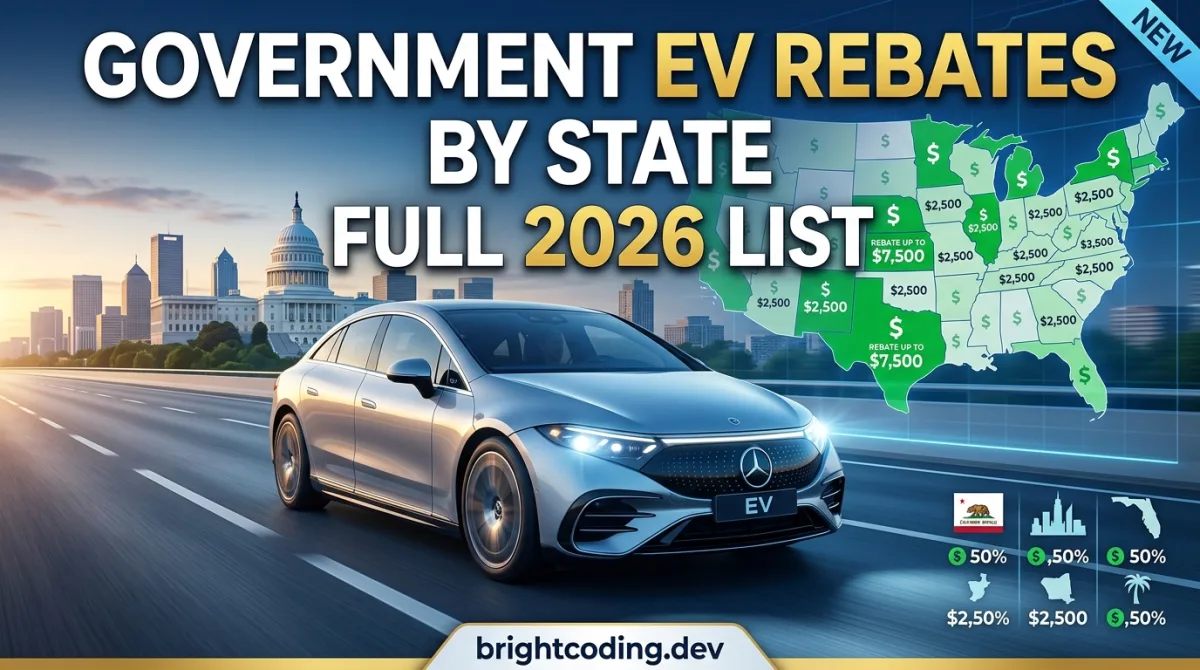
State funding landscapes in 2026 heavily favor direct point-of-sale cash grants over standard income tax credits. Colorado leads the market with a transferable $5,000 discount that applies directly at the finance desk, regardless of your total state tax liability. California continues its targeted approach with state equity programs, offering low-income buyers up to $7,500 in direct vouchers for vehicles priced below $45,000.
Eastern states like New York and New Jersey maintain strong cash-back pools, offering upfront incentives ranging from $500 to $4,000. New Jersey additionally exempts zero-emission vehicles from its 6.625% state sales tax, saving buyers an extra $2,980 on a $45,000 purchase. Meanwhile, midwestern states rely heavily on local electric utility companies, which offer home charger installation rebates ranging from $500 to $1,500.
Regional differences create massive swings in total ownership costs across state lines. A buyer in Denver purchasing a $48,990 Tesla Model Y pays thousands less upfront than a buyer acquiring the identical crossover in Dallas. Understanding local legislation helps buyers maximize these geographic financial advantages.
"Stacking a state-level point-of-sale voucher with local utility charger grants is the ultimate cheat code for EV buyers in 2026," says Marcus Vance, Senior Director of Policy at the Electric Mobility Association. "You can easily wipe out 25% of the vehicle sticker price before even discussing dealer discounts."
Tips and Tricks
- Combine utility incentives: Apply for municipal electric utility rebates within 60 days of purchase to secure up to $1,500 for home Level 2 charger installation.
- Verify income limits: Check your adjusted gross income against state caps because staying under $75,000 for single filers unlocks an extra $2,500 bonus in key states.
- Transfer credits instantly: Choose dealers registered with the IRS Energy Credits online portal to claim your $7,500 federal incentive at the point of sale.
- Track rebate funding levels: Monitor state clean vehicle portals monthly to submit paperwork before annual budget caps are reached by mid-year.
- Confirm lease pass-throughs: Ensure leasing companies pass the full $7,500 commercial clean vehicle tax credit into your monthly payment calculations.
The Verdict
Buyers residing in high-rebate states like Colorado, California, or New Jersey should choose point-of-sale discounts to cut monthly loan payments instantly. Drivers living in states without dedicated cash vouchers should focus on leveraging utility charger rebates and federal lease tax loopholes to maximize savings. What state rebate programs are currently active in your zip code?