Vehicle-to-load, usually shortened to V2L, lets your electric car act as a rolling power outlet. Plug an adapter into the car, run an extension lead to your camp stove, laptop, kettle or even a small heater, and the traction battery does the work instead of a noisy generator.
By the end of this guide you will know whether your car supports V2L, how to pick the right adapter and cable, how to run devices safely without draining the battery, and how long you can realistically expect to power a camping setup. Give yourself about 15 minutes to read this and check your car, then another 10 minutes to test a small load before your next trip.
One thing up front: V2L is a low-voltage convenience feature. It is not the same as vehicle-to-grid or vehicle-to-home systems, which involve much bigger power flows and proper installation. If you are ever unsure about the wiring in your home or campsite, stop and get an electrician involved.
What you need before you start
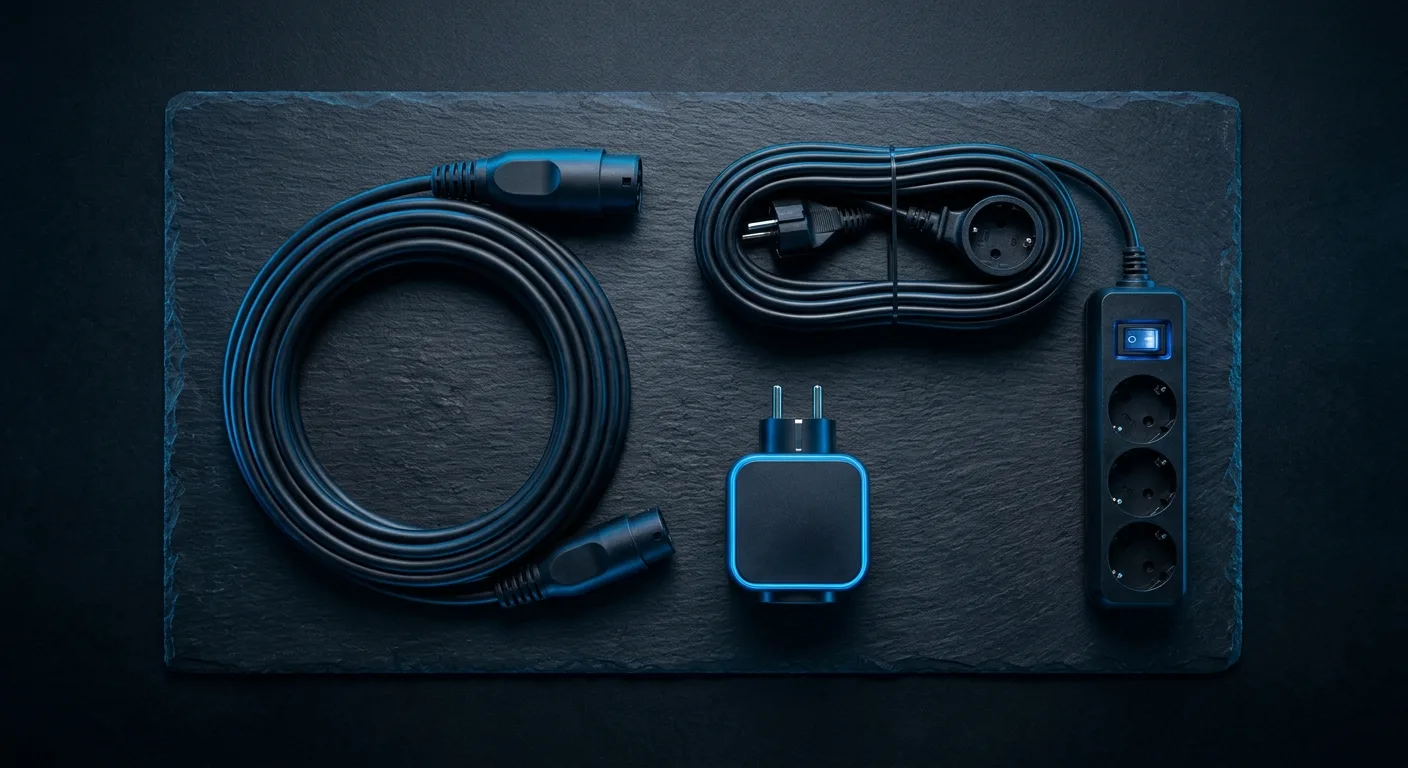
- Your car's manual or the manufacturer's app, so you can confirm V2L is supported and see the exact menu name (it varies: "V2L", "Vehicle to Load", "Power Outlet", "Utility Mode" and similar).
- The correct V2L adapter or built-in outlet. Some cars have an interior socket, some have an external adapter that plugs into the charge port, and some need a specific accessory that is sold separately.
- A device with a known wattage. Look at the label on the plug or the rating plate. A laptop might be 65-100W, a small camping kettle can be 800-1200W, an induction hob can be 1800W or more.
- A heavy-duty outdoor extension lead rated for the current you plan to draw, ideally with an RCD or GFCI built in.
- A phone with the car's app installed if you want to monitor state of charge remotely.
You do not need an account on this site to use any of the calculators mentioned later, and you do not need special tools beyond the adapter and a cable.
Step 1: Confirm your car actually has V2L
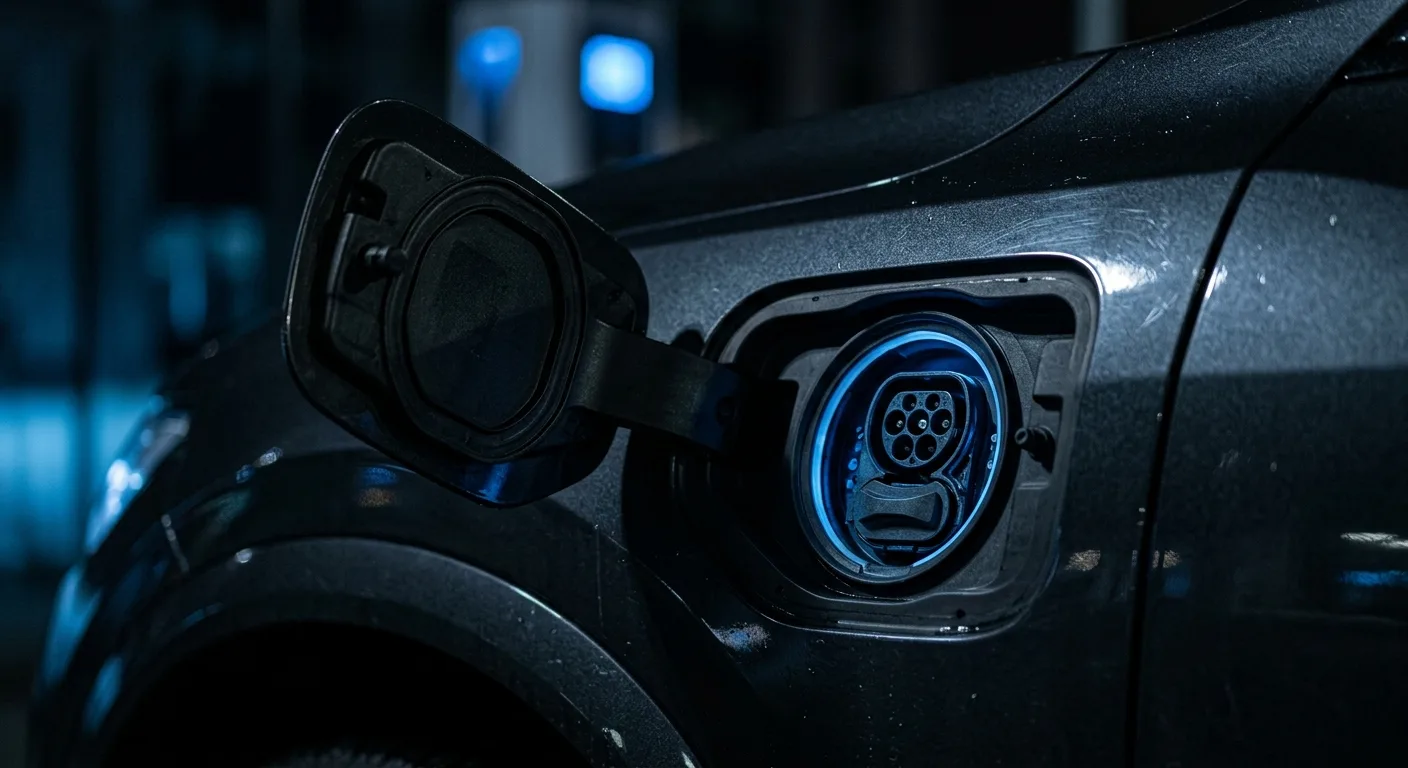
Open the manual and search for "V2L" or "power outlet". Check whether the feature is standard, an optional pack, or limited to certain trim levels. Some cars advertise V2L but only at low wattage, and a few offer it only through an adapter you must buy separately.
Why it matters: turning up at a campsite expecting to boil a kettle and finding a 150W socket is a miserable surprise. Know the continuous rating and the peak rating before you pack.
Practical tip: the EV model directory lists many popular EVs with their features, so cross-check your shortlist there. If a spec sheet is vague, ring the dealer and ask for the continuous output in watts and the type of outlet.
Step 2: Pick the right adapter and outlet type
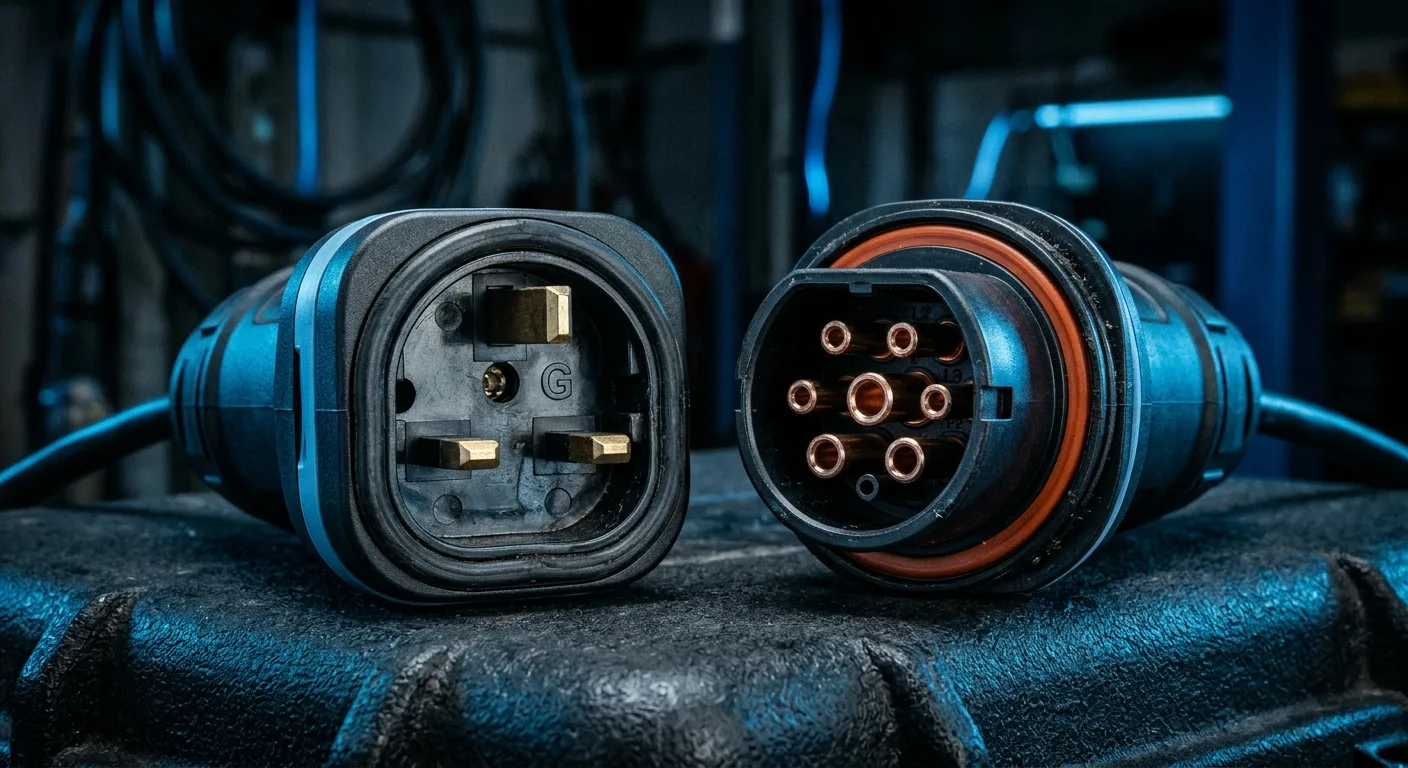
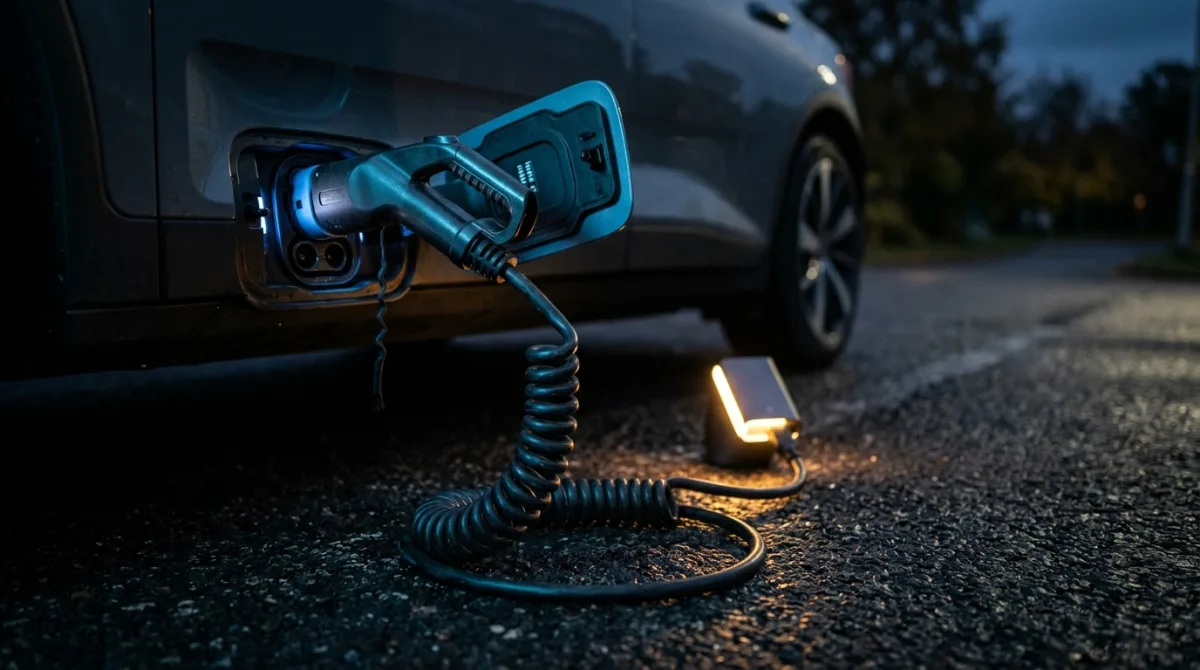
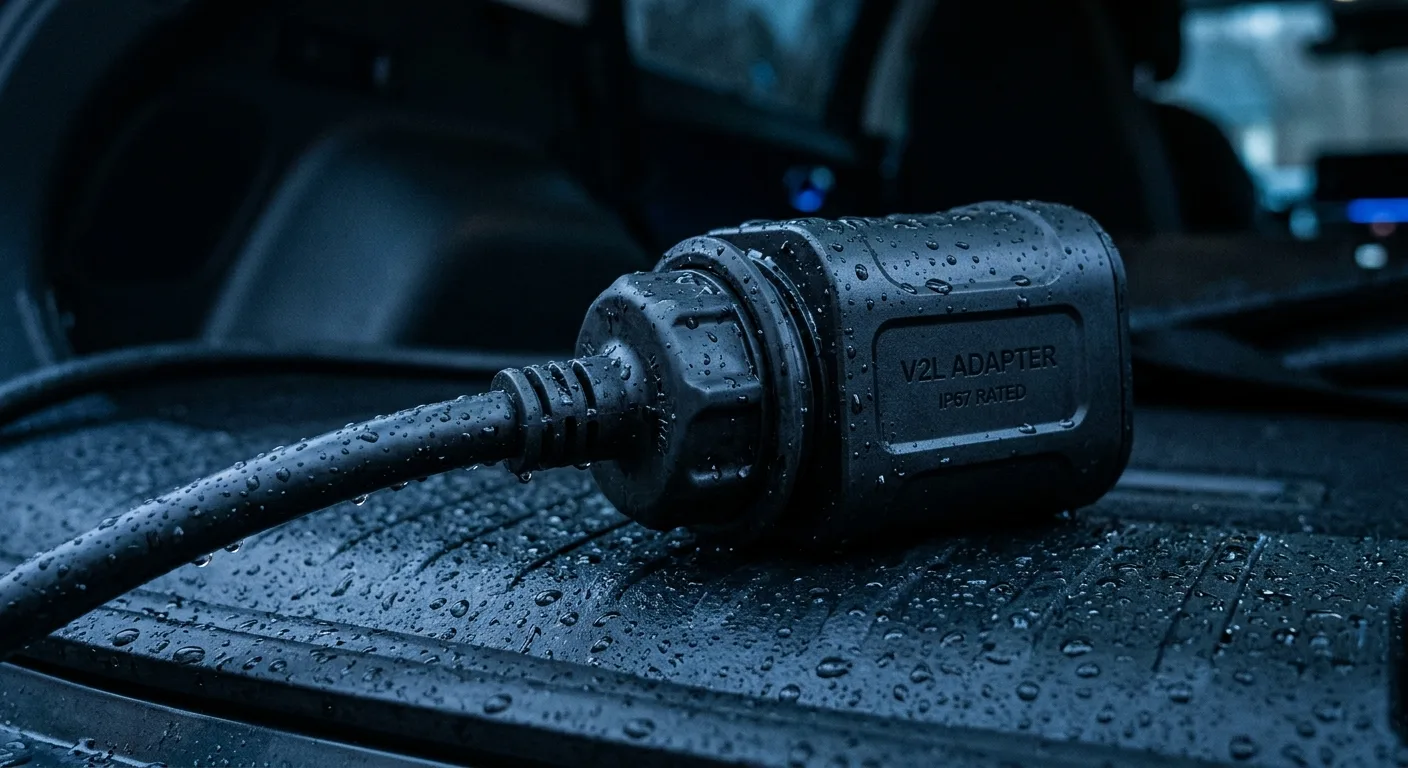
V2L usually comes in one of three shapes: a standard household socket inside the cabin, a socket in the boot, or an adapter that plugs into the AC charge port. Some adapters are manufacturer-specific and will not work on other brands, even if the plug looks the same.
Why it matters: the wrong adapter simply will not engage, and forcing it can damage the charge port pins. Those pins are not cheap to replace.
Practical tip: match the plug type to your region (Type G in the UK, Type F or Schuko in much of Europe, NEMA 5-15 in North America) and check the adapter's maximum current. If the adapter says 10A, do not run a 13A load through it.
Step 3: Work out what you want to run

Add up the wattage of everything you plan to plug in at the same time. A laptop, a phone charger and a couple of LED lights is maybe 150W total. A kettle plus a coffee machine plus a hair dryer is easily 3000W and will trip most V2L systems.
Why it matters: V2L outlets have a continuous rating and a short surge rating, and exceeding either will cause the car to cut power. That is the system protecting itself, not a fault.
Practical tip: run high-draw appliances one at a time. Boil the kettle, unplug it, then run the hob. In practice this is how most campers use V2L and it works well.
Step 4: Estimate how long your battery will last
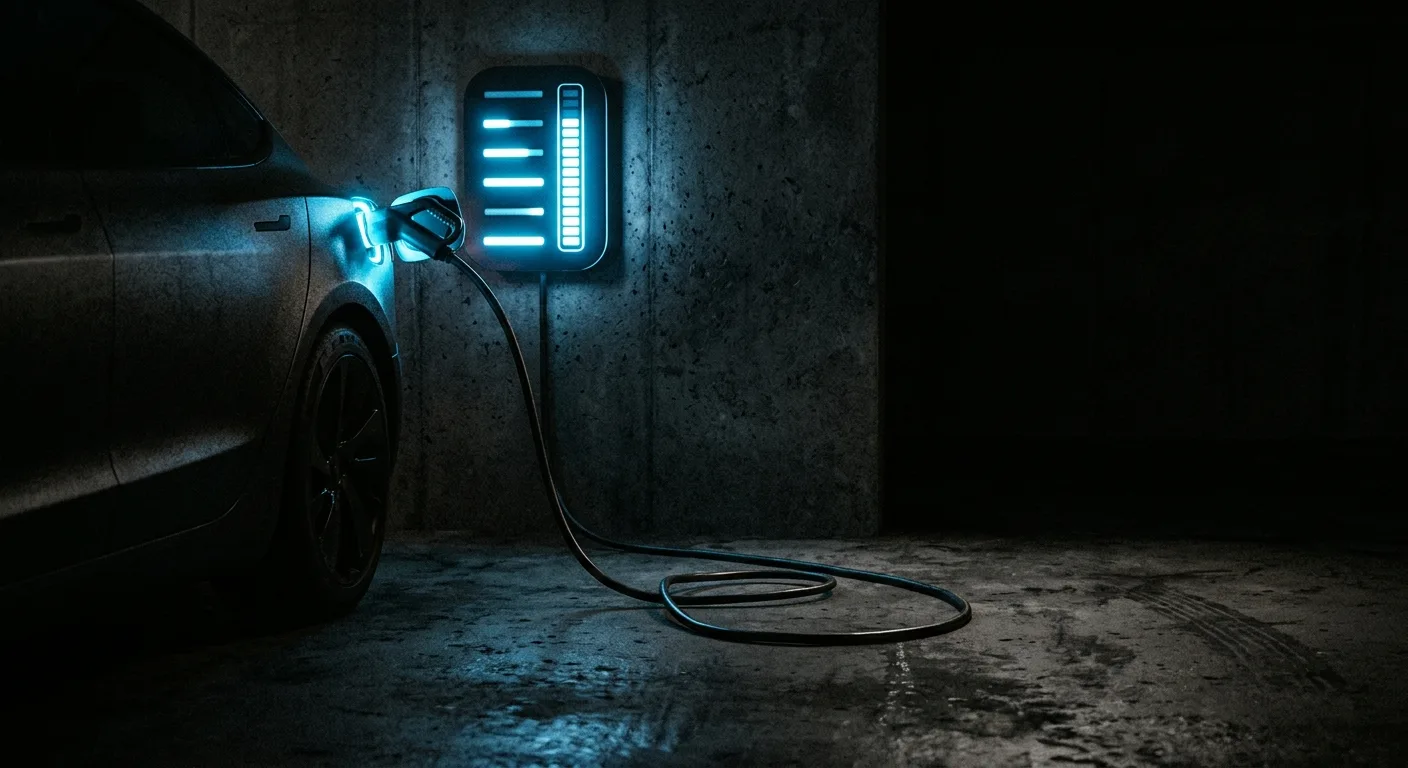
A rough calculation: usable battery capacity in kilowatt-hours, divided by your load in kilowatts, gives hours of runtime. A 60kWh usable battery with a 500W load gives roughly 120 hours of ideal runtime, but real-world losses, cold weather and the car's own standby draw will cut that significantly.
Why it matters: you do not want to wake up to a car that cannot get you to the next charger. Treat V2L as a budget you spend, not free power.
Practical tip: set a floor in the car's settings, or just note the state of charge before you start, and stop when you hit your safety margin. Most owners keep at least 20-30% in reserve for the drive out. Use the free EV calculators and tools to sanity-check range and consumption figures before you commit to a plan.
Step 5: Park safely and set up the cable run
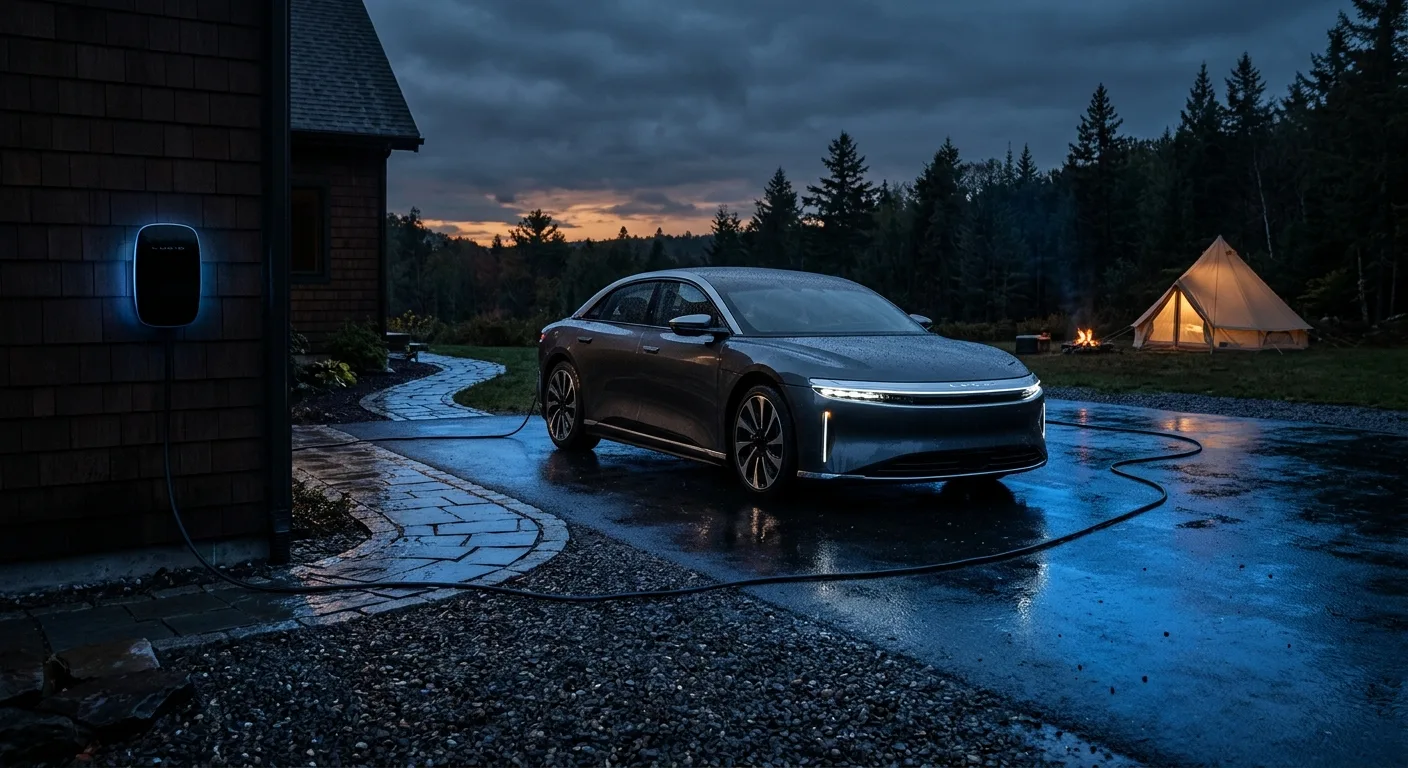
Park so the charge port or outlet is accessible, keep the car in park with the handbrake on, and route the extension lead so nobody trips over it. Keep the adapter and any joints off wet ground and out of puddles.
Why it matters: most V2L faults are cable and connector problems, not car problems. Water ingress in a cheap extension lead is the classic way to ruin an evening.
Practical tip: use a lead with a moulded plug and an RCD, and keep the connection point under cover. If it is raining hard, do not run V2L outdoors at all.
Step 6: Enable V2L in the car
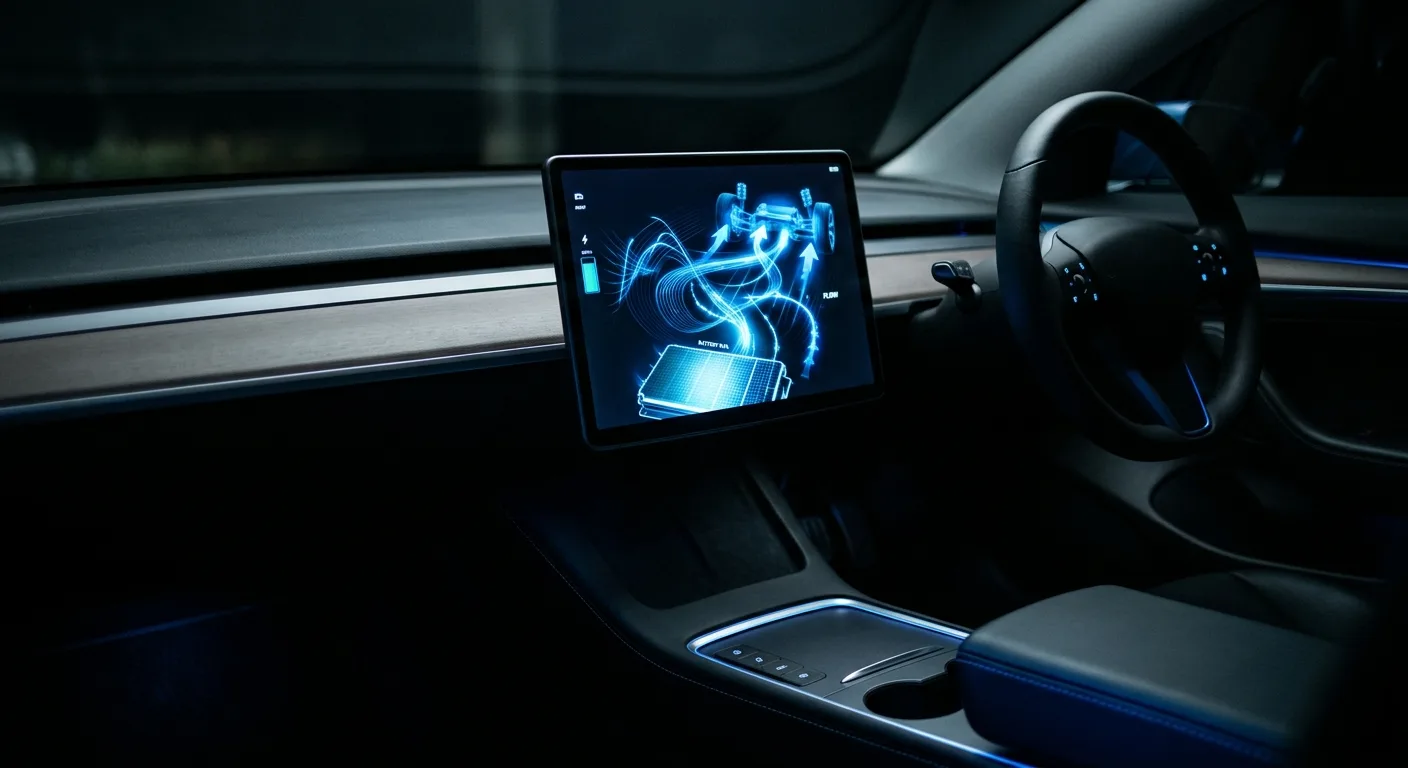
Get in, turn the car on (or into the correct accessory mode), and find the V2L menu. It may be in the infotainment settings, a dedicated button, or the manufacturer's app. Some cars require you to select "V2L" or "Utility Mode" explicitly, and some will only supply power when the car is on, not just unlocked.
Why it matters: if V2L is not enabled, the outlet stays dead and you will spend an hour blaming the adapter.
Practical tip: enable it before you plug anything in, watch for the indicator light on the outlet or adapter, then plug in a small load first (a phone charger is perfect) to confirm power is flowing.
Step 7: Test with a small load, then scale up
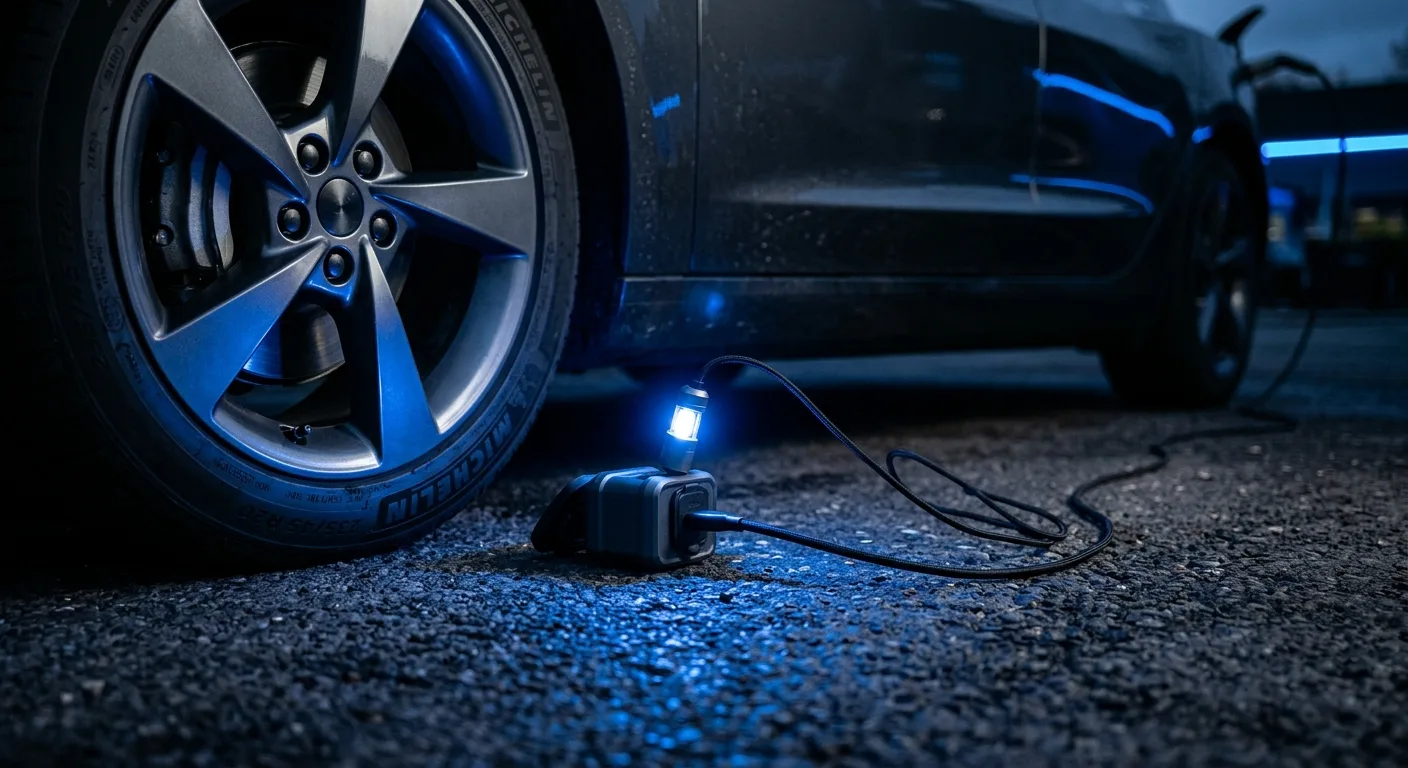
Plug in your smallest device, confirm it charges, then move to medium loads like a laptop or a fan, and only then to high-draw items. Watch the car's display or app for any warnings.
Why it matters: a staged test tells you where the limit is before you are relying on it at 11pm.
Practical tip: if the car cuts power, unplug everything, wait a minute, and start again with a lower load. If it cuts out repeatedly at a modest load, stop and get it checked by a qualified technician.
Step 8: Monitor and shut down cleanly
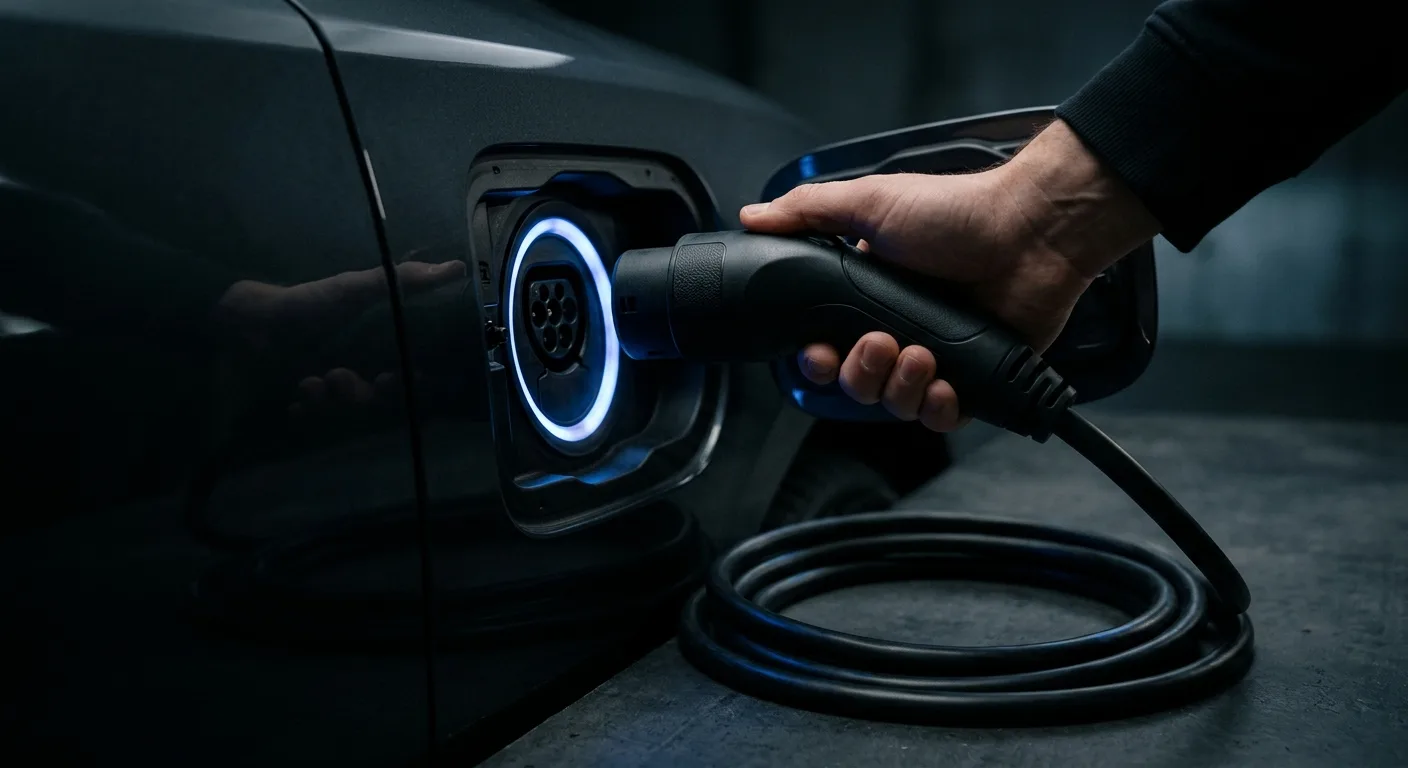
Check the state of charge periodically. When you are done, switch off and unplug the appliances first, then disable V2L in the menu, then disconnect the adapter.
Why it matters: pulling a high load off the outlet under power can cause arcing at the pins over time.
Practical tip: if you are leaving the setup for hours, check the app once an hour or set a reminder. And never leave high-draw appliances unattended.
Pro tips
- Pre-chill or pre-heat the cabin while plugged into shore power, not while running V2L. It saves your battery budget for the things you actually need.
- Keep a short "known good" extension lead just for V2L, so you are not troubleshooting a borrowed cable at the campsite.
- In cold weather, expect less usable capacity and more losses. Reduce your load rather than pushing the limit.
- If your car has a configurable V2L cutoff in the app, set it well above your journey requirement.
- Label your adapter. Manufacturer-specific adapters look alike and get swapped between cars.
- For campsite use, check the site rules first. Some sites restrict generator-style setups and may have views on EV power draw.
Common pitfalls
- Assuming every EV has V2L. It does not. Check the manual and the trim level, and confirm the continuous wattage, not just the headline figure.
- Overloading the outlet. A 2000W kettle on a 1500W continuous outlet will trip the system, every time. Add up wattages and run big items one at a time.
- Using a household extension lead indoors-rated only. Outdoor leads with RCD protection cost a bit more and are worth it.
- Forgetting the battery floor. Running the traction battery flat for a fridge is an expensive way to learn a lesson.
- Confusing V2L with home backup. V2L is for devices. Whole-house backup needs a proper vehicle-to-home installation by a qualified electrician.
If something does not behave as expected, the EV troubleshooting guides cover the safe diagnostic steps for common electrical complaints, and the diagnostic and fuse guides help you separate a blown fuse or tripped outlet from a deeper fault.
Useful resources
- Compare V2L-equipped models head to head at the EV comparisons page.
- Check range and consumption assumptions with the free calculators and tools.
- Browse the EV model directory to see which cars list V2L as a feature.
- Read the EV blog for owner-level tips and buying advice.
- For anything involving the high-voltage traction battery, mains wiring or a vehicle-to-home setup, use a qualified technician. Do not open the battery pack or the charge port yourself.
FAQ
Can I run a fridge from V2L overnight? Probably, if the fridge's running wattage is modest and your car has enough charge. A small camping fridge might draw 40-60W when running, with a higher surge on startup. Check the fridge's rating plate, allow for surge, and keep a healthy battery reserve. Verify the actual figures for your car and fridge.
Does V2L drain the traction battery or the 12V battery? On most systems the traction battery supplies the power, with the car's DC-DC converter keeping the 12V system topped up. If your car only supports a small 12V outlet, that is a different feature and will drain the 12V battery quickly. Check which one you have.
Can I use V2L while driving? Some cars allow it, some do not, and some restrict it to certain outlets. Check the manual. Do not run cables to the outside of a moving car.
Will V2L void my warranty? Using the manufacturer's own adapter and staying within the rated limits should not. Third-party adapters and overloads are where owners get into trouble. If in doubt, ask the dealer in writing.
Can I charge another EV from my car with V2L? Technically some setups allow a slow top-up, but it is inefficient and rarely worth it. Treat it as a novelty, not a recovery plan, and verify what your car supports.
A final word
V2L turns your EV into the most useful thing at the campsite, provided you respect the wattage limits and keep an eye on the battery. Check your car today, buy the right adapter, test a small load this week, and you will spend your next trip relaxing instead of hunting for a socket.
Ready to act on what you just read? Explorethe EV model directory, head-to-head EV comparisons or the free EV calculators and tools. The rest of this site is built to help you take the next step.