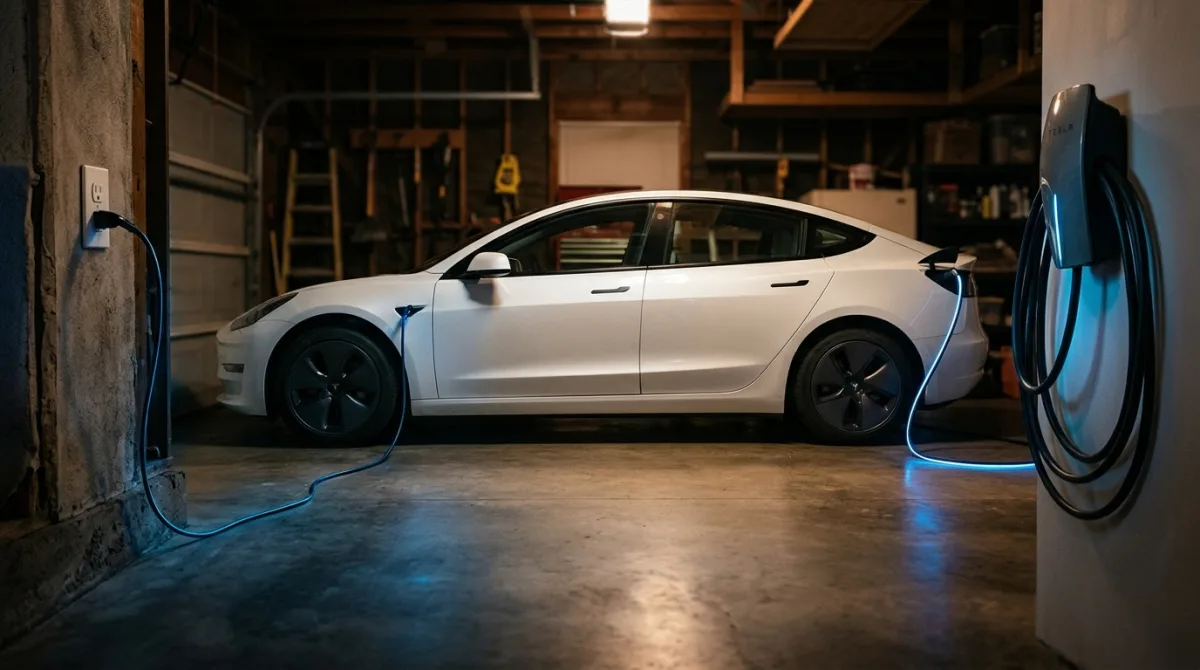
You bought the car, or you are about to, and now the boring question lands: how do you actually charge it at home? Level 1 means plugging into a normal wall outlet. Level 2 means installing a dedicated charging unit, usually on a 240V circuit in North America or a 230V circuit in Europe. That is the whole choice in one sentence, and yet it changes your daily routine more than most spec-sheet differences.
The dilemma is real because the answer is not "Level 2 is better." A Level 2 install can cost anywhere from a few hundred to a couple of thousand dollars depending on your panel, your parking situation and local permits, and those figures vary wildly by region, so check local quotes. Meanwhile, plenty of drivers genuinely get by on a wall outlet for years. What matters is your daily mileage, your car's battery size and efficiency, whether you can park next to an outlet overnight, and how much you hate planning around charging.
Let's take each one honestly.
Level 1: the wall outlet you already have
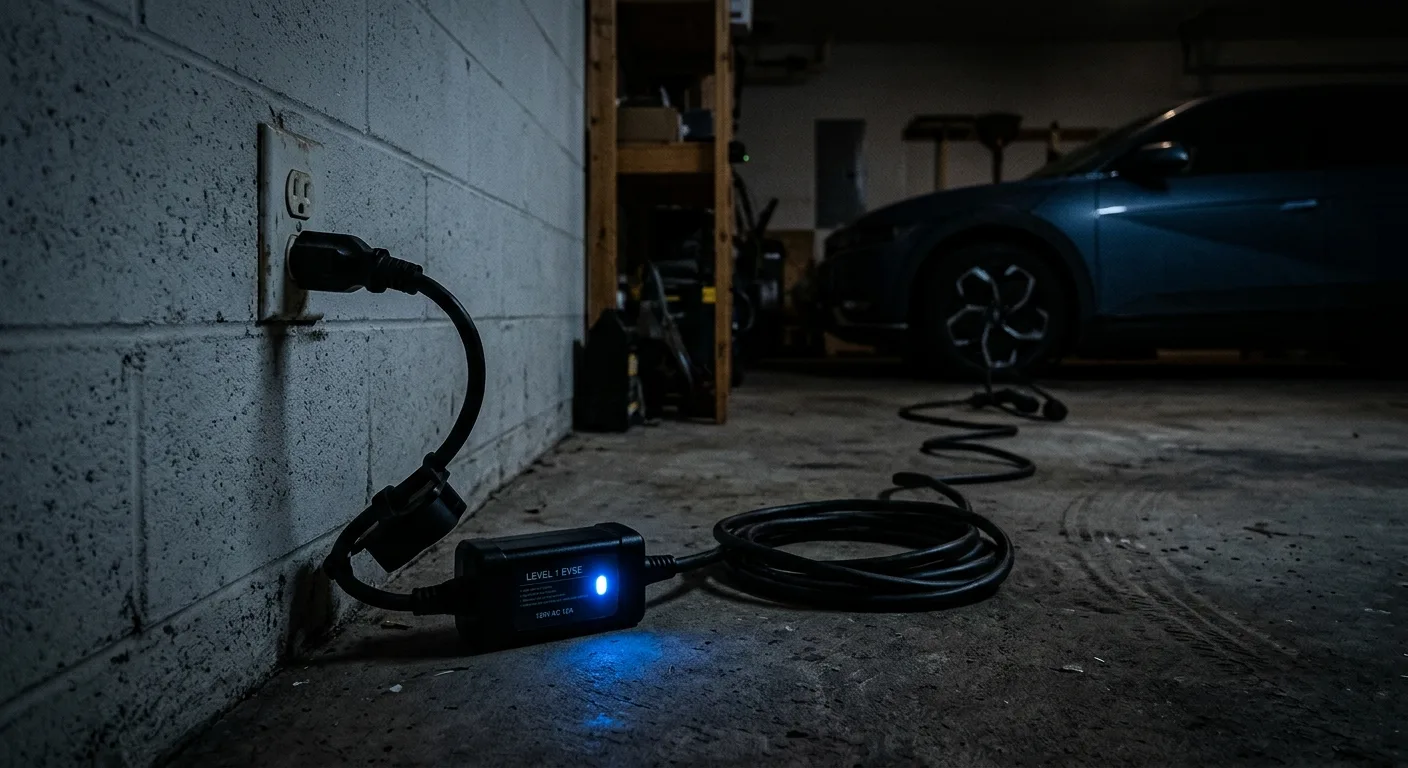
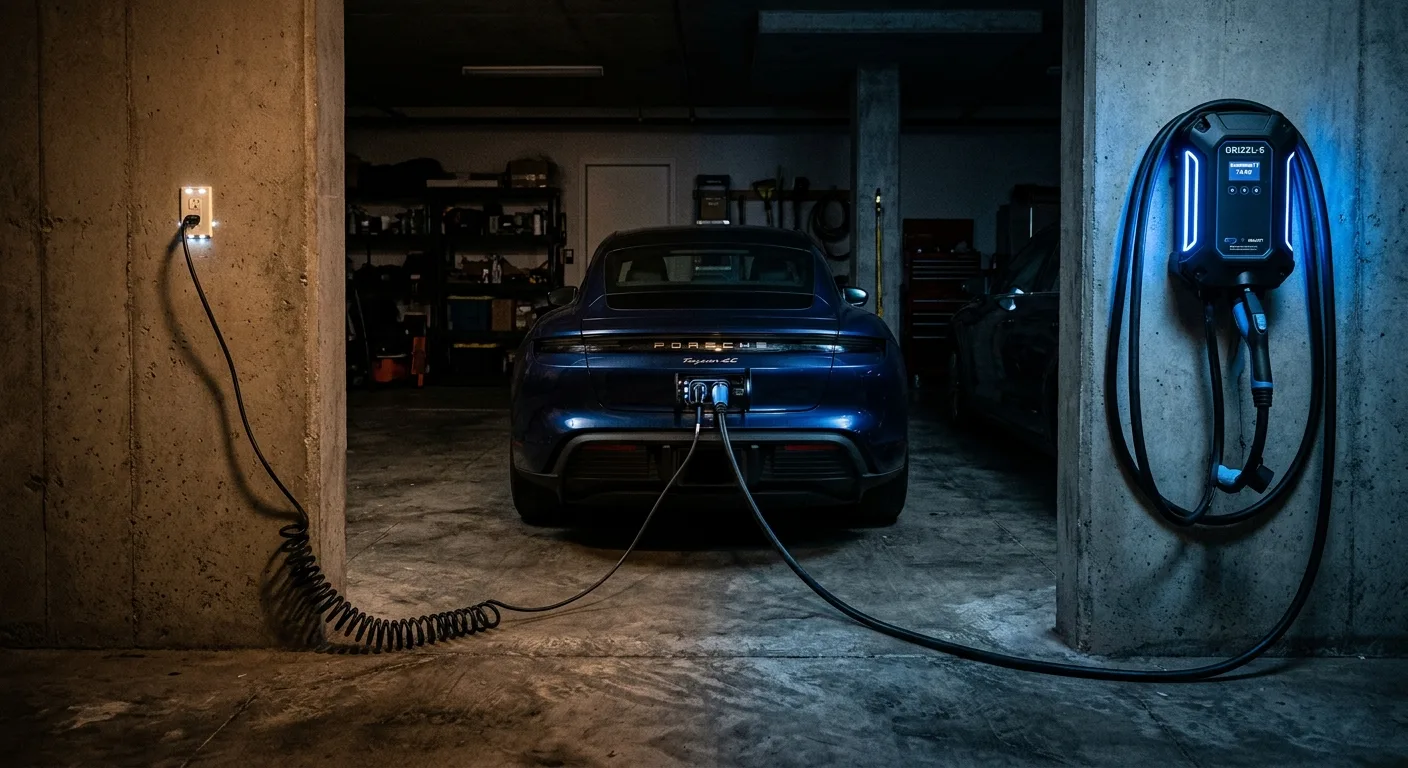
Level 1 is charging from a standard household outlet, typically 120V in North America. In practice it adds a small number of miles of range per hour of charging, often in the range of 2-5 miles per hour for a typical efficient EV, though it depends heavily on the car. A big, thirsty SUV will add less per hour than a small hatchback. Treat those numbers as a rough guide and verify against your own model's specs.
The pros are hard to argue with. It costs nothing beyond the car's bundled cable (many EVs include one), it works anywhere there is an outlet, and it is the slowest, gentlest charge you can give a battery. There is no electrician, no permit, no panel upgrade, no wall unit to fail. For a renter with a garage outlet or a driveway socket, it is the lowest-friction option that exists.
The cons are equally clear. It is slow. If you drive 40-60 miles a day, you may not fully recover overnight, especially in cold weather when efficiency drops. It puts continuous load on a circuit that may also feed other things, so you need to check that the outlet and wiring are in good shape and not shared with a space heater. And it is a poor fit if you regularly arrive home near empty.
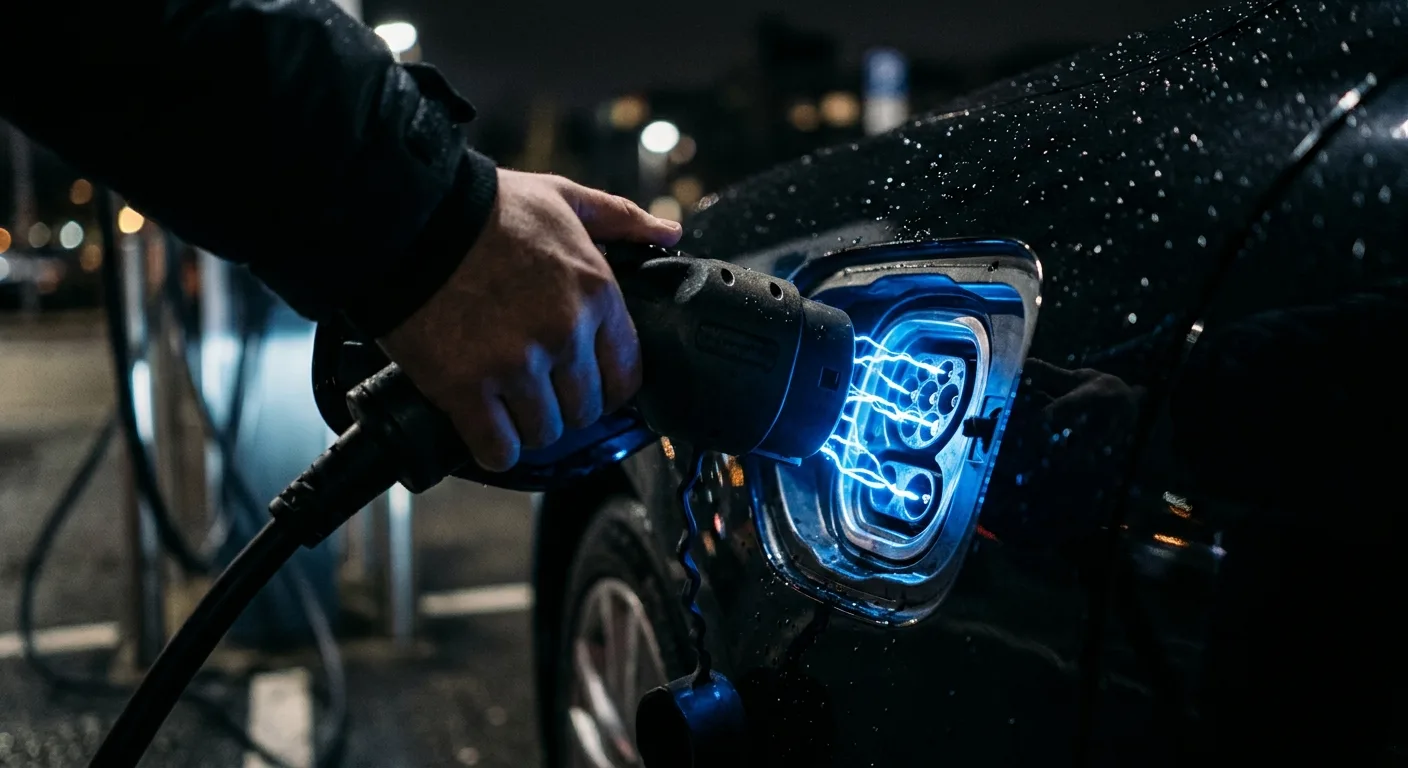
One practical note: a standard outlet on a dedicated circuit is safer than a daisy-chained extension cord. Never run a long, thin extension cord for overnight EV charging. If the outlet feels warm or the breaker trips, stop and get an electrician to look at it. For basic electrical checks and fuse-related questions, the site's diagnostic and fuse guides are a sensible starting point.
Level 2: the dedicated home charger
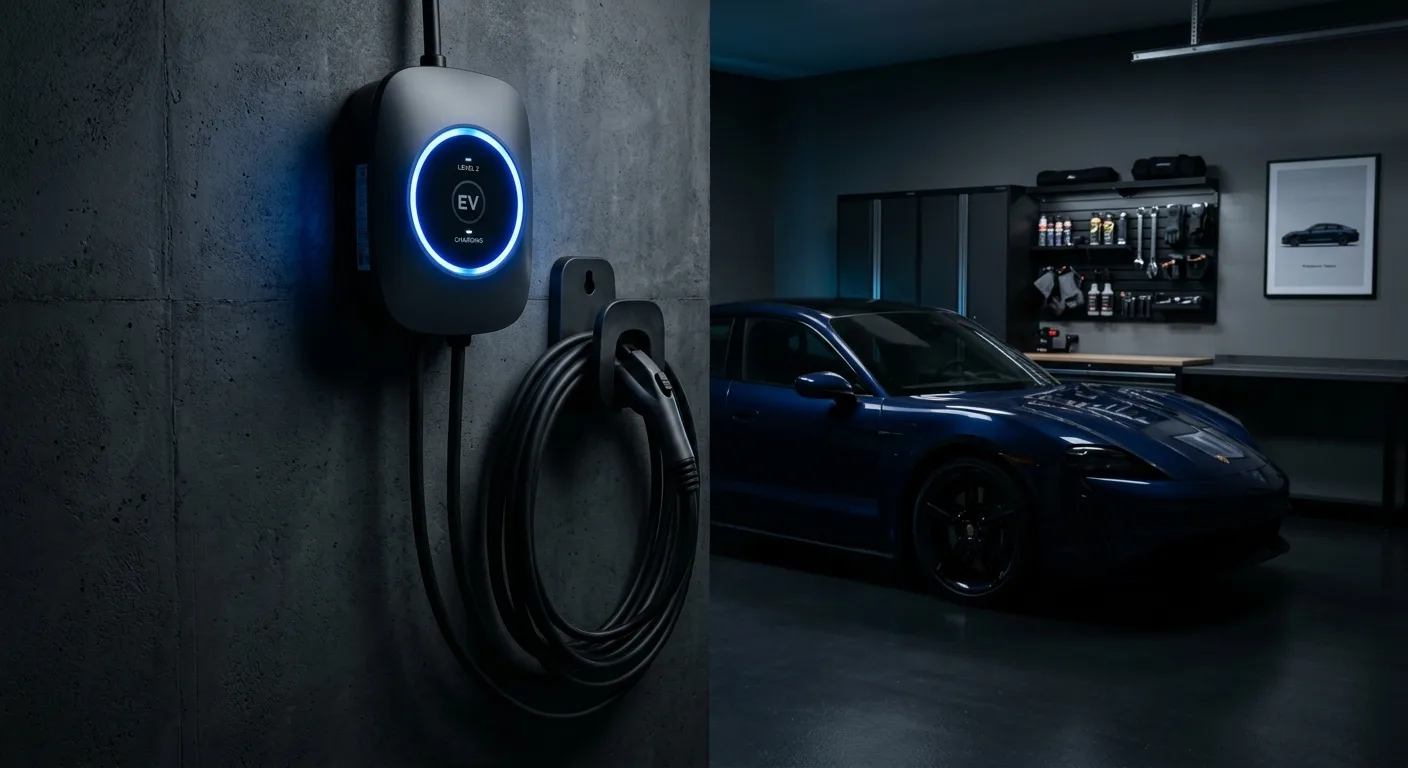
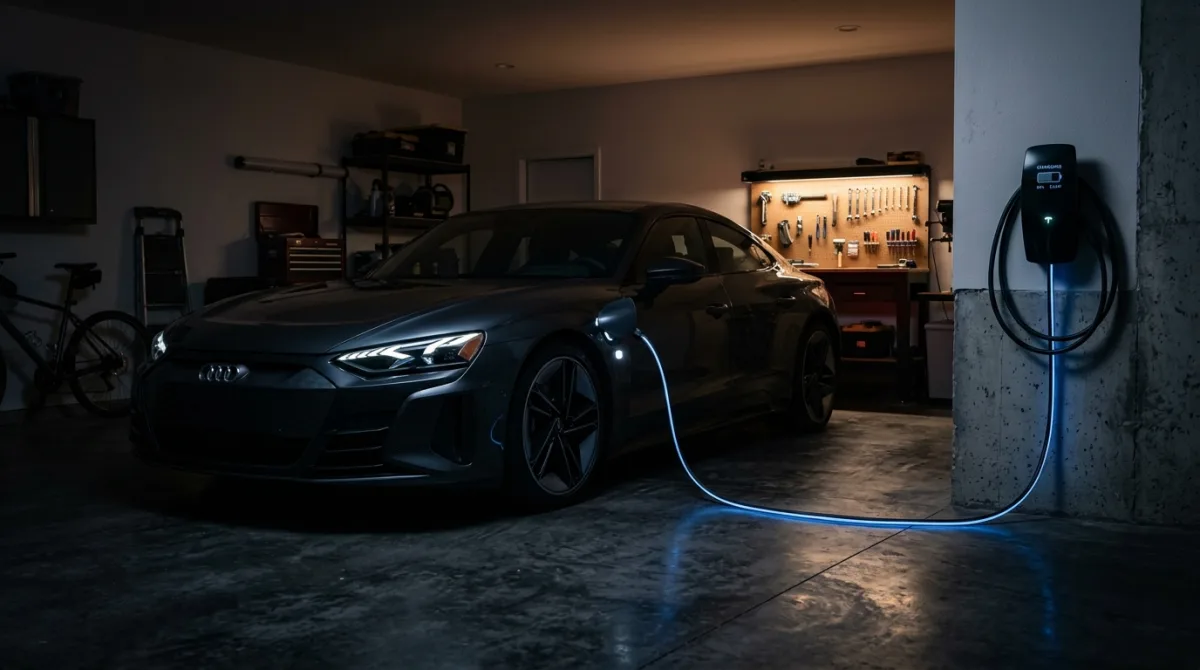
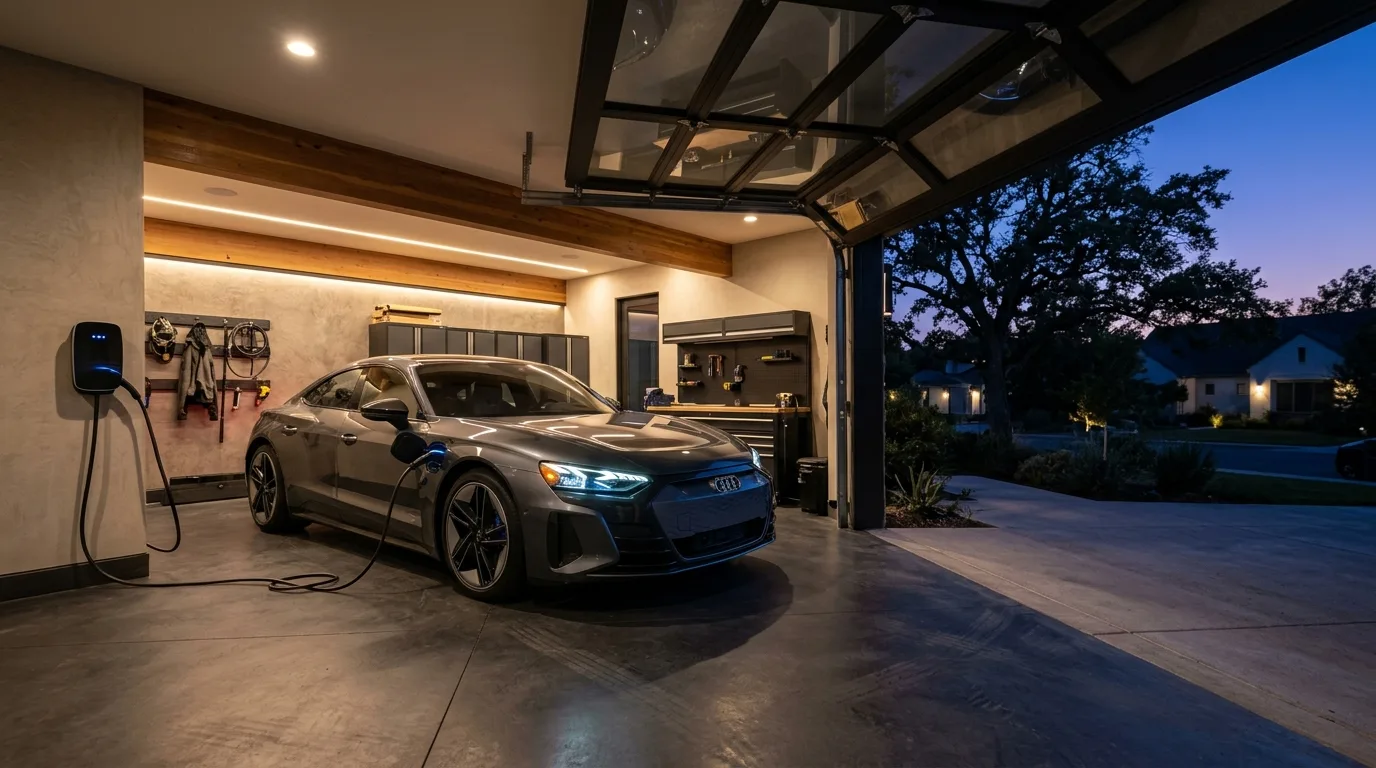
Level 2 uses a higher-voltage circuit and a permanently installed charging unit (or a hardwired setup). It charges several times faster than Level 1, often adding something like 15-30 miles of range per hour depending on the car and the unit's amperage. Again, verify the actual rate for your model rather than trusting a single number.
The upside is lifestyle-changing for many people: you plug in when you get home and wake up full, every morning, without thinking about it. That removes the biggest psychological barrier to EV ownership, which is range anxiety at home. It also future-proofs you for a larger battery or a second EV, and it lets you take advantage of off-peak electricity tariffs by scheduling charging overnight.
The downsides are cost and hassle. You need an electrician, possibly a permit, and possibly a panel upgrade if your service is already loaded. Installation quotes vary enormously by region and by how far the charger sits from your panel, so get two or three local quotes before committing. Renters may not be allowed to install one at all. And if your daily mileage is genuinely low, you may be paying for speed you rarely use.
There is also a reliability angle. A wall unit is another piece of electronics that can fail, and a bad install is worse than no install. Use a licensed electrician, and if the unit misbehaves later, the EV troubleshooting guides can help you tell a charger fault from a car fault before you call anyone out.
Level 1 vs. Level 2 side by side
| Criterion | Level 1 | Level 2 |
|---|---|---|
| Power source | Standard household outlet (e.g. 120V in North America) | Dedicated higher-voltage circuit (e.g. 240V / 230V) |
| Typical charging speed | Roughly 2-5 miles of range per hour, car-dependent | Roughly 15-30 miles per hour, car- and unit-dependent |
| Upfront cost | Usually near zero, cable often included | Unit plus electrician plus possible permit/panel work; quotes vary widely |
| Installation | None | Licensed electrician recommended, sometimes required |
| Best for | Low daily mileage, renters with an outlet, tight budgets | Higher mileage, families, multiple EVs, overnight top-ups |
| Cold-weather performance | Slower still; may struggle to recover a full day's driving | More headroom to recover range overnight |
| Reliability | Fewer parts to fail; outlet condition matters | Depends on install quality and unit |
| Scheduling / off-peak tariffs | Limited | Often supported by the unit or car |
| Renter-friendly | Usually yes | Often no |
If you are still deciding which car this charger will serve, the EV model directory lets you compare battery sizes and efficiency, which directly determines how much each charging level buys you. And if you are weighing two specific models, the head-to-head comparisons put the numbers next to each other.
Which one should you choose?
There is no universal answer, so match the choice to your actual week.
City commuter with low mileage. If you drive well under 40 miles a day and can park next to an outlet overnight, Level 1 is often enough. You save the install cost and the hassle. Keep a public fast charger as your backup for the occasional long day.
Long-distance driver or high-mileage commuter. Level 2 is the sane choice. You need to recover a big day's driving overnight, and Level 1 will leave you short. The install pays for itself in avoided public-charging stops and stress.
Family with two cars or a big SUV. Level 2, almost certainly. Larger batteries and multiple drivers mean more energy drawn each day, and a single wall outlet will not keep up. This is where the faster recovery genuinely matters.
First EV buyer on a tight budget. Start with Level 1 if your situation allows it, and treat Level 2 as an upgrade you can add later. You lose nothing by trying the wall outlet for a month and seeing whether it fits your routine. Just be honest with yourself about your real daily mileage, not your optimistic one.
Renter without a dedicated outlet. Neither may be fully available to you. Level 1 from a shared garage outlet is often the only option, and you should rely on public charging for the rest. Check your lease before assuming an install is possible.
A useful sanity check: use the free EV calculators and tools to estimate your daily energy use and how many hours of charging that implies. It turns a vague feeling into a number you can act on.
Verdict
For the common case, a driver with a garage or driveway and average daily mileage, Level 2 wins. The overnight top-up removes range anxiety, supports off-peak tariffs and scales with a bigger battery or a second EV. The install cost is real, but for most owners it is a one-time expense that improves every single day of ownership.
Level 1 wins when your mileage is genuinely low, your budget is tight, or you rent and cannot install anything. It is also the right first step if you are unsure: try it for a few weeks before spending money. What tips the decision the other way is simple. If you consistently arrive home with less charge than you can recover overnight, stop debating and get a Level 2 quote. If you wake up full every morning on a wall outlet, you already have your answer, and it cost you nothing.
FAQ
Can I just use a normal extension cord for Level 1 charging? Only a heavy-duty cord rated for continuous load, and ideally not at all for overnight charging. A thin or long cord can overheat. If the outlet or cord feels warm, stop and have an electrician check the circuit.
How much does a Level 2 install cost? It varies enormously by region, panel capacity and distance from the panel, so any single number would mislead you. Get two or three local quotes from licensed electricians and ask whether a permit or panel upgrade is needed.
Will Level 1 damage my battery? No. Slow charging is generally gentle on batteries. The main risk with Level 1 is the household wiring, not the car.
Can I install Level 2 myself? High-voltage circuit work should be done by a qualified electrician. This is not a DIY job, and a poor install is a fire risk.
What if I only have street parking? Then home charging in either form may not be practical, and you will lean on public charging. Plan your routine around nearby chargers before you buy.
Final takeaway
Level 1 and Level 2 are not rivals so much as a starting point and an upgrade. Level 1 is free, simple and enough for low-mileage drivers with an outlet. Level 2 costs money upfront but buys you speed, convenience and headroom. Measure your real daily driving, check whether an outlet is genuinely available overnight, then decide. If the numbers say you cannot recover your day's driving while you sleep, Level 2 is not a luxury, it is the fix.