The car said 18 percent. My daughter said she needed the bathroom, and the only rapid charger I trusted on that stretch of road was 11 km behind us. I'd done the maths wrong at the last stop because I was rushing. That is the whole story of my first year with an EV: small miscalculations, small fixes, and a growing list of little tricks I now do without thinking.
I'm not a mechanic. I'm a driver with a home charger, a family, and a habit of learning things the slightly awkward way. What follows is what actually stuck.
How I got here
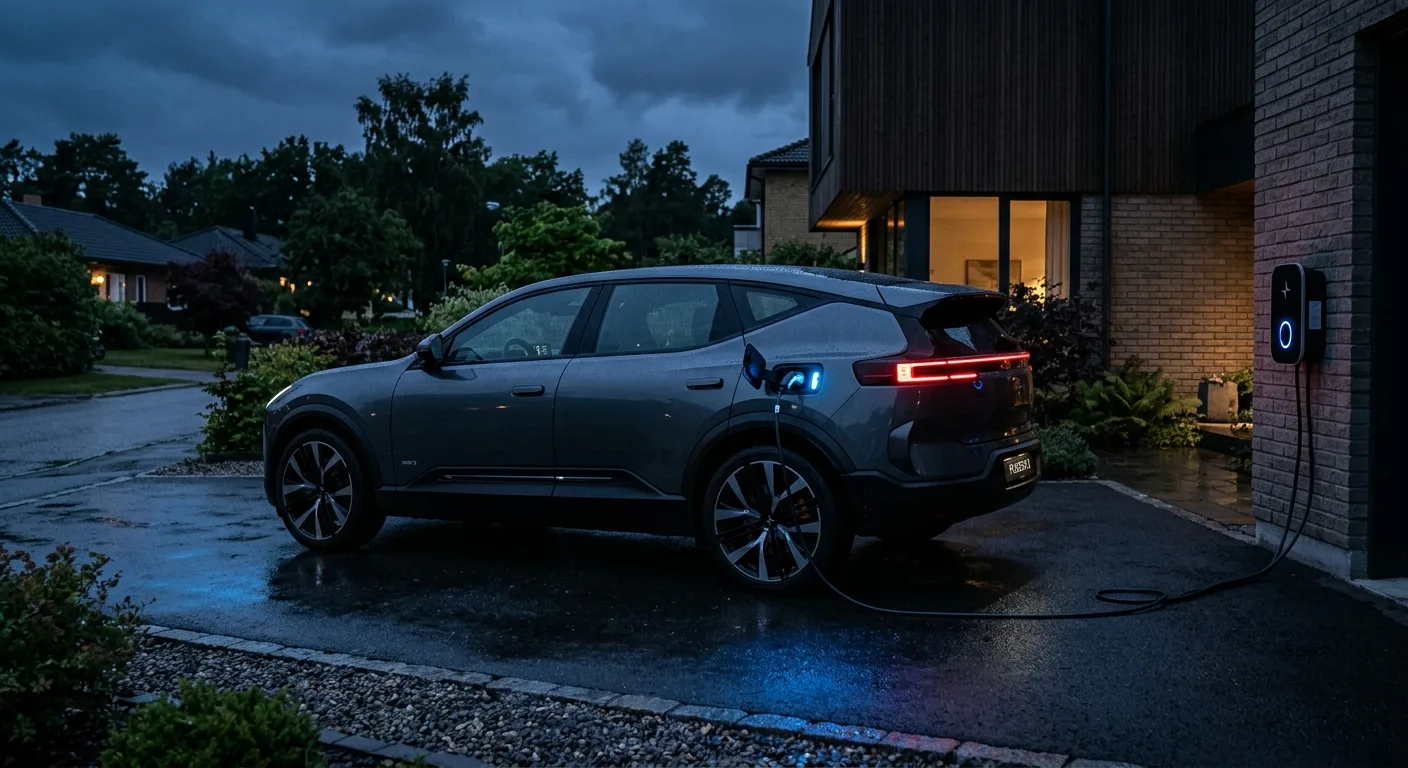
I bought a used electric hatchback about two years ago, mostly to stop paying for fuel on a 40 km daily commute. The first month was rough. I treated it like a petrol car with a plug, which meant I charged at the worst times and panicked about range I never actually used. Then I started paying attention to how the car behaved, and the small hacks started piling up. None of these are exotic. Most cost nothing.
The hacks that changed my week

Preconditioning before I leave, not after I arrive
This was the first one that felt like a genuine upgrade. If the car is plugged in at home and I set the climate to come on roughly 10-15 minutes before I leave, the cabin is warm and the battery isn't spending its own charge on heating. On a cold morning that's worth several kilometres of range I used to lose without noticing.
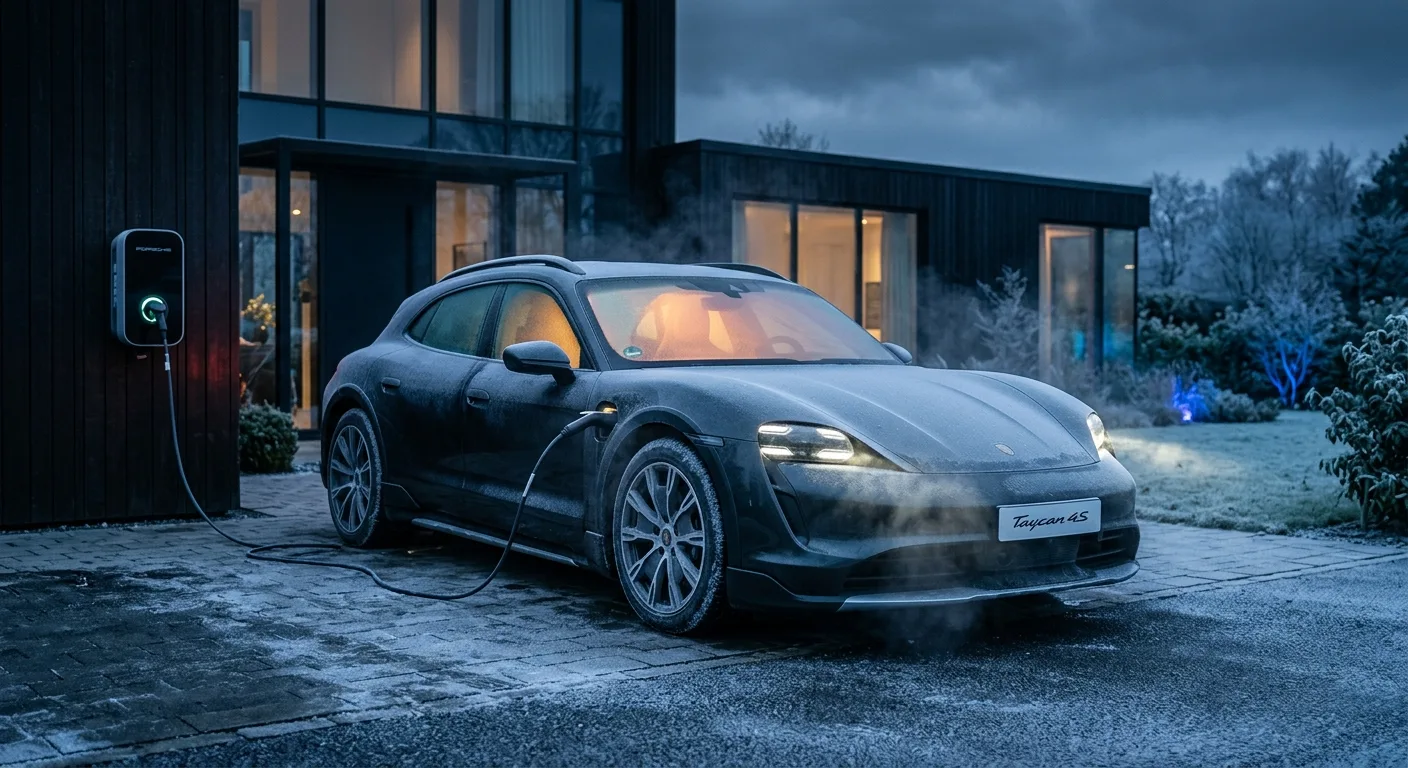
The catch: it only helps when you're still plugged in. If you precondition on battery alone, you're just heating the car early. I learned that after a week of wondering why my winter range looked worse than my neighbour's identical model.
Charging to 80 percent most days, 100 only before a trip
I used to plug in every night and let it go to full. Then I read enough owner accounts to realise I was probably being unkind to the battery for no benefit, since my commute never needed the top 20 percent. Now I stop at 80 percent for daily driving and only go to 100 percent when I know I'm doing a longer run the next morning.
Honest trade-off: it's one more thing to remember, and some cars make it easier than others through the app. Mine takes four taps.
Using the car's own route planner instead of my phone
I resisted this for months because I liked my usual navigation app. But the built-in planner knows the battery, the terrain, and the chargers, and it will tell you to charge before you think you need to. That one change removed most of my range anxiety. If you're comparing how different models handle this, the head-to-head comparisons on the site are a decent place to see which systems actually plan stops well.
Plugging in whenever I park, even for 20 minutes
Opportunity charging is underrated. A 20-minute top-up at a supermarket while I buy milk is often 5-15 percent depending on the charger, and it costs me nothing extra in time. I stopped treating charging as an event and started treating it as a habit.
Setting a departure time so the cabin is ready
Same principle as preconditioning but scheduled. I set it for 7:20 on weekdays and the car handles it. Small thing, big difference to how the morning feels.
Learning what actually drains range
Motorway speed is the big one. Dropping from roughly 120 to 110 km/h on a long trip noticeably improved my consumption, and the time difference was a few minutes. Heated seats and the steering wheel use far less energy than blasting the cabin heater. Rain and headwind matter more than I expected. I now check the weather before deciding whether to charge a little extra.
Keeping the tyre pressures right
Boring, I know. But low tyres cost range and I noticed it before I noticed the handling. I check them every couple of weeks now, and it's the cheapest efficiency fix there is.
Using one-pedal driving around town
Once I got used to it, one-pedal driving made city traffic calmer and recovered a bit of energy on the way down hills. It took me about a week to stop lurching. If you're new to it, give it time before deciding you hate it.
Planning charging around where I actually stop
I used to hunt for the fastest charger. Now I plan around places I'd stop anyway: a coffee, a supermarket, a park. The charger speed matters less than whether the stop fits my day. That shift alone made long trips feel normal.
Keeping a small kit in the boot
A granny cable, a tyre inflator, a torch, and a cloth for the charge port. The cloth sounds silly until the first time you open the port in the rain. The granny cable has saved me twice at family houses where there was no proper charger.
Reading the cars own diagnostics instead of guessing
When a warning light came on, I spent an hour worrying before checking the owners manual and the diagnostic guides on the site. It turned out to be a low 12V auxiliary battery warning, which is a standard 12V job, not a traction battery problem. That distinction matters: 12V work is something a careful owner can often handle, but anything involving the high-voltage traction battery needs a qualified technician. I don't touch that side, and neither should you.
Not charging to full right before parking it for a week
If I'm leaving the car at the airport for a week, I aim for around 50-60 percent rather than full. It's a small thing, but it's the kind of habit that costs nothing and might help the battery over years. I can't prove it made a difference, but it's easy to do.
Honest pros and cons
What worked well for me
- The habits above cost almost nothing and removed most of my early stress.
- Preconditioning and scheduled departure made winter mornings genuinely better.
- Opportunity charging turned charging from a chore into background noise.
- The car's own route planner is better than I expected once I trusted it.
What still annoys me
- Remembering to set the 80 percent limit is a small daily friction.
- Public charger reliability is still hit and miss, and no hack fixes that.
- Some of these tricks depend on the car's app, and not every model has a good one.
- I still occasionally do the maths wrong when I'm rushing.
What it actually cost
Most of these hacks were free. The few that cost money were small.
| Item | Approximate cost |
|---|---|
| Preconditioning and scheduled departure | Free, uses grid power at home |
| Opportunity charging top-ups | Roughly the price of the electricity used, often a few euros |
| Tyre inflator and basic boot kit | Expect around 20-50 euros |
| Granny cable (if not included) | Roughly 100-200 euros, varies by car |
| Home charging over a month of commuting | Depends on your tariff and distance, check your own rate |
Treat those as rough ranges and verify against your own car and local prices. I'm not quoting anyone's tariff.
What I would do differently
- I'd read the manual's charging section properly in week one instead of month three.
- I'd set the 80 percent limit immediately rather than charging to full out of habit.
- I'd trust the car's route planner earlier and stop fighting it with my phone.
- I'd check tyre pressures monthly from day one.
- I'd learn the difference between 12V faults and high-voltage faults before panicking at the first warning light.
Quick practical tips
- Precondition while still plugged in, not on battery alone.
- Charge to 80 percent for daily driving, 100 only before a long trip.
- Use the car's planner for long journeys and let it decide when to stop.
- Top up whenever you park if a charger is free and you have 20 minutes.
- Check tyre pressures every couple of weeks.
- Keep a granny cable and a cloth for the charge port in the boot.
FAQ
Is charging to 80 percent really necessary? For daily driving it's a sensible default and most owners I know do it. For a long trip the next day, charge to 100 percent. Check your own manual, since guidance varies by model.
Do these hacks work on any EV? Most do, but preconditioning and scheduled departure depend on the car's software and app. If you're shopping, compare models on the EV model directory or use the free calculators to sanity-check range and charging costs for your commute.
Can I fix a warning light myself? Only if it's clearly a low-voltage 12V issue and you're comfortable with basic checks. Anything pointing at the traction battery or high-voltage system needs a qualified technician. Stop and get help.
How much does home charging actually cost? It depends entirely on your electricity rate and how far you drive. Work it out with your own tariff rather than trusting a general figure.
Two years in, I still get the maths wrong sometimes. But the car and I have reached an understanding, and most days it just quietly does its job.
Ready to act on what you just read? Explorethe EV model directory, head-to-head EV comparisons or the free EV calculators and tools. The rest of this site is built to help you take the next step.