You bought an EV to save money and skip the petrol station. Then winter arrives, your commute range drops, and you start wondering if something is broken. Usually it isn't.
Most of the range and efficiency you lose every day comes from habits, not hardware. Small choices, repeated five days a week, add up to real miles and real money over a year. Here are ten common ways drivers quietly waste energy, and what to do instead.
Why most people get this wrong
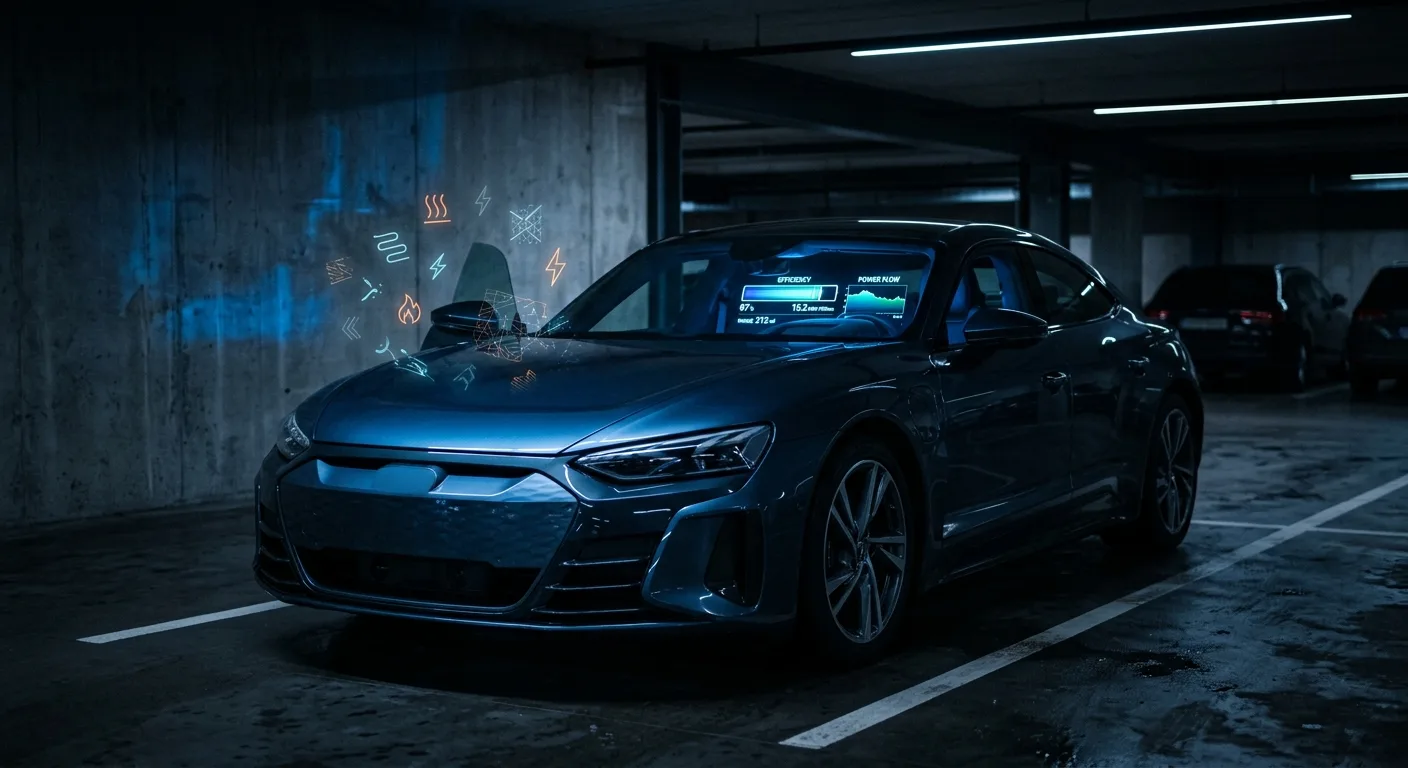
Range anxiety makes people drive inefficiently. They hypermile on one trip, then leave the car plugged into a slow charger all night and wonder why the numbers don't add up.
Cars also hide their own costs. Heater, aircon, heated seats and a roof box all draw power, but the dashboard shows one blended number, so nobody sees which habit is the culprit.
The fix isn't one big change. It's a handful of small ones, done consistently. That is what the list below covers.
1: Treating the accelerator like an on/off switch
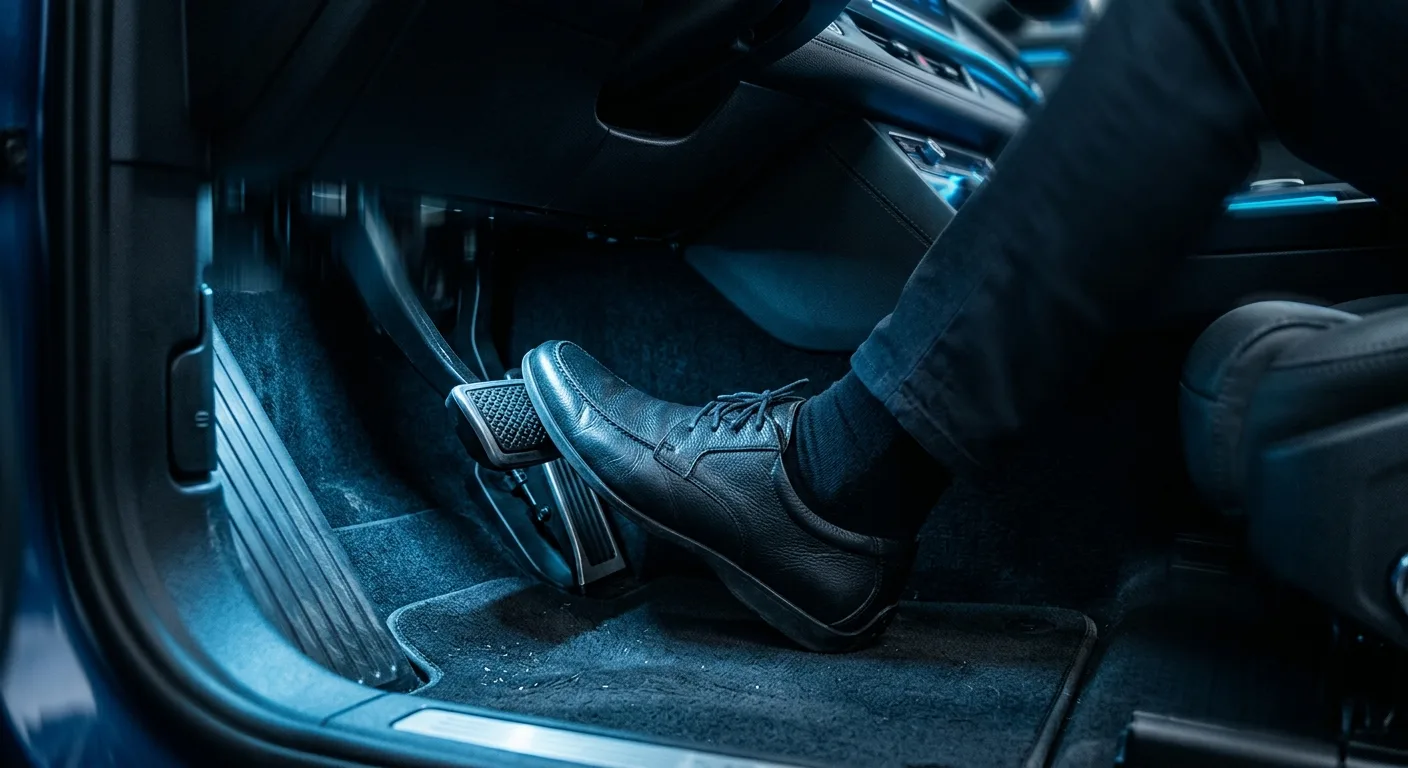
You pull away from a red light, floor it, then brake hard at the next set. Repeat for 15 miles. It feels normal, and it is one of the fastest ways to burn through a battery.
People do it because it mirrors how they drove a petrol car, where the penalty felt smaller. In an EV, hard acceleration and heavy braking waste energy you could have recovered through regenerative braking.
Avoid it by rolling off the throttle earlier and letting regen do the slowing. You'll feel the difference in your consumption figure within a few days.
2: Running the cabin heater like a home radiator
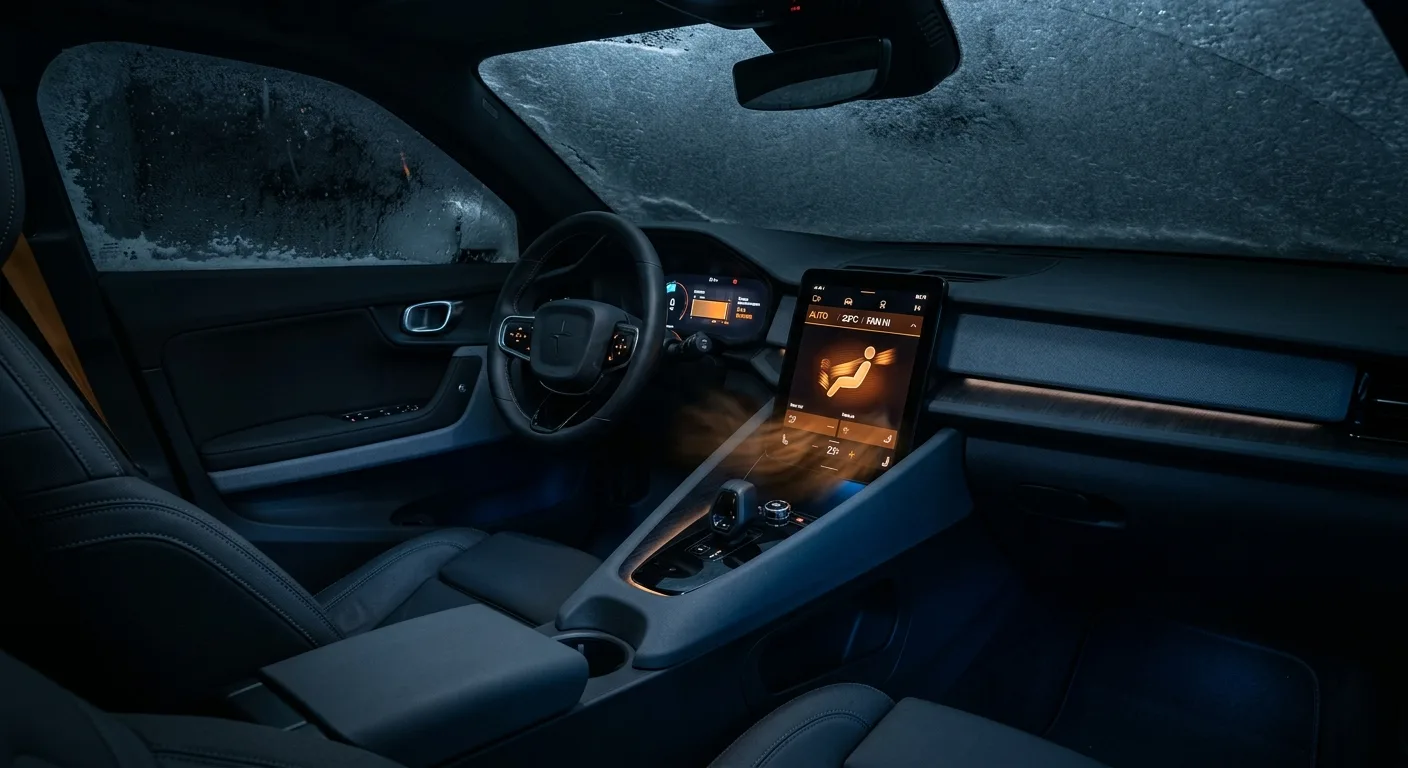
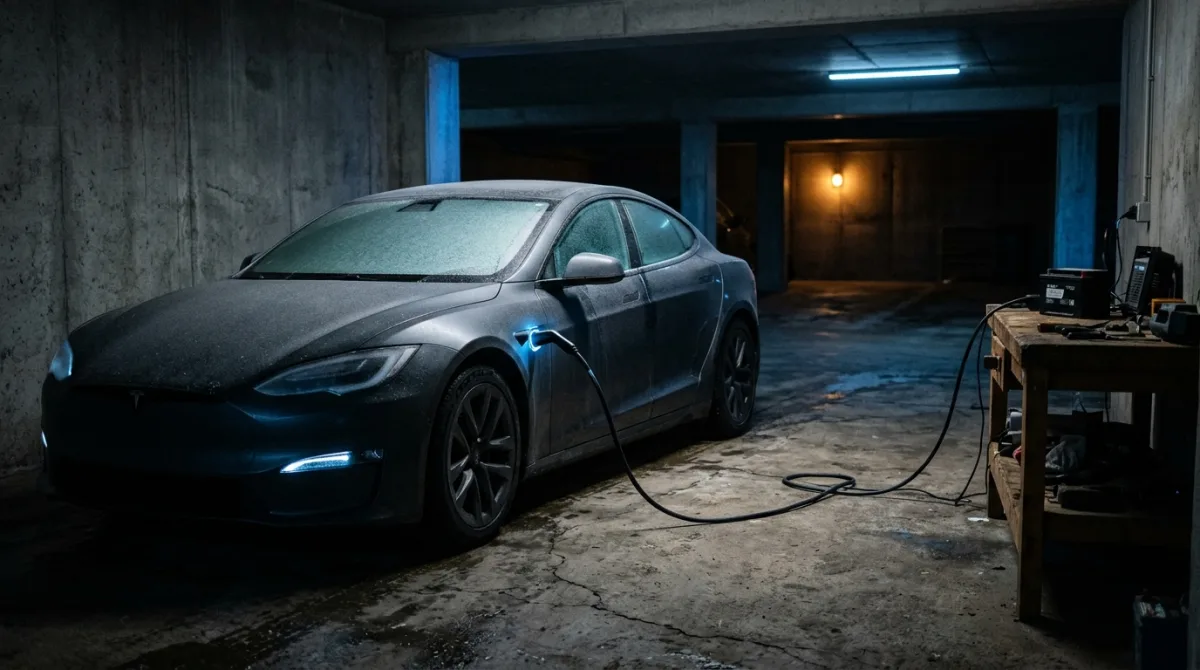
A cold morning, so the heater goes to maximum and stays there for the whole commute. In many EVs, cabin heating is one of the biggest single drains on range in winter, often more than the motor.
Drivers do it because they're cold, which is fair. The consequence is a noticeable drop in range on short trips where the battery never gets warm.
Set the cabin a few degrees lower, use heated seats and a heated steering wheel if you have them, and pre-condition while still plugged in. That way the car warms on grid power, not battery power.
3: Ignoring tyre pressure for months
A tyre loses pressure slowly. You won't feel it, but a soft tyre has more rolling resistance, and that costs energy on every single mile.
People skip it because there's no warning light until the pressure is badly low. Check pressures monthly when the tyres are cold and set them to the manufacturer's figure, usually on a door pillar sticker, not the maximum on the sidewall.
4: Carrying a boot full of stuff you never use
Golf clubs in July, a box of tools since March, a spare set of wheels "just in case". Weight costs energy, especially in stop-start traffic where you accelerate it again at every junction.
It's easy to ignore because the car doesn't complain. Clear the boot once a month and leave only what you actually need. It's free efficiency.
5: Leaving the roof box or bike rack on all year
A roof box on an EV is a range tax. It adds aerodynamic drag, and drag rises sharply with speed, so the faster you go the more it costs.
People leave them on because removing and refitting is a hassle. If you only use the rack at weekends, take it off on Monday. On a daily commute, a rear-mounted rack usually costs less range than a roof box, though it depends on the car.
6: Charging to 100% every night out of habit
If your commute is 30 miles and your car does 250, you don't need a full battery every morning. Charging to 100% daily is slow, and on many cars it's not the best long-term habit for the pack.
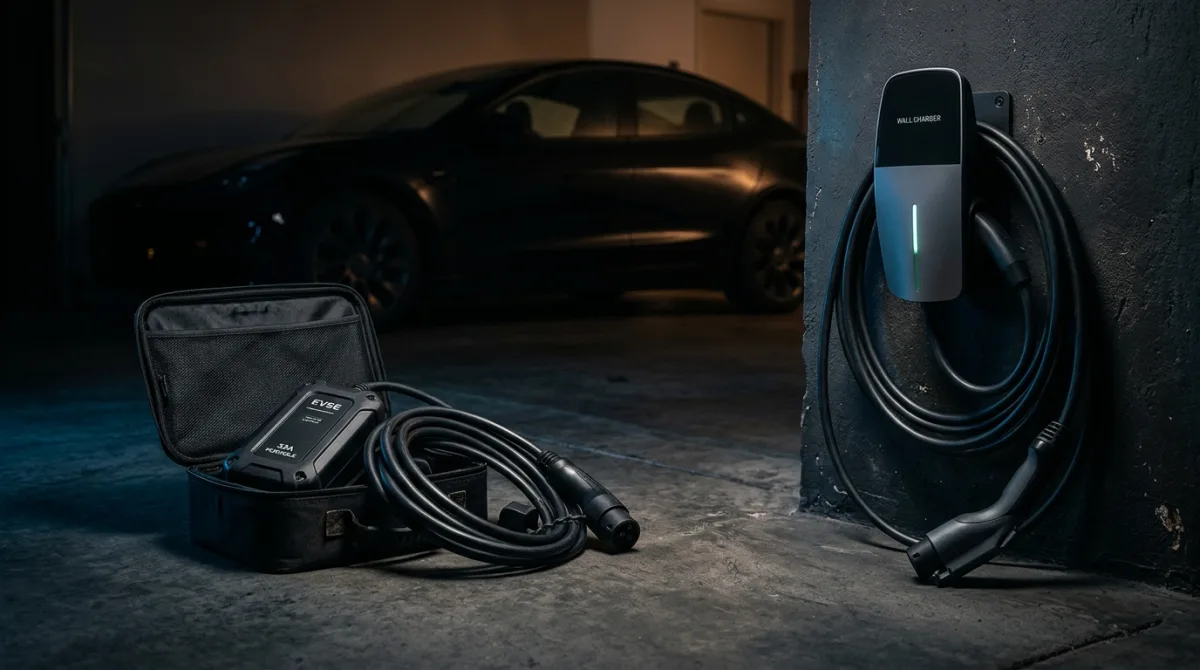
Drivers do it because "full is safe". Check your manual for the recommended daily charge limit, often somewhere around 80%, and save the full charge for long trips. Use the off-peak window on your home charger if your tariff has one.
7: Driving at motorway speed with the windows down to "save the aircon"
There's an old argument about windows versus aircon. At motorway speed, open windows create drag, and drag costs more than a modest aircon setting. Around town, the reverse is often true.
People pick one rule and stick to it everywhere. Match the choice to the speed: windows down at low speed, aircon on the motorway, and recirculation mode to cool the cabin faster.
8: Never using eco mode or one-pedal driving
Many EVs ship with a normal mode that feels punchy and a gentler eco mode that softens throttle response. One-pedal driving lets regen slow the car without touching the brake.
Drivers avoid them because they feel sluggish or unfamiliar. Give eco mode a week on your commute and compare consumption. If it suits you, keep it; if not, at least you tried it.
9: Planning routes by shortest distance only
The shortest route isn't always the cheapest. A hilly road with 20 traffic lights can use more energy than a slightly longer flat road with free-flowing traffic.
People default to the satnav's fastest option and never question it. Try a couple of alternative commutes over a week and watch the consumption figure. You may be surprised which one wins.
10: Assuming a range drop means a fault
A cold snap hits, range falls, and the panic starts. In most cases it's normal: cold batteries hold less usable energy and the heater draws more. That's physics, not a breakdown.
Before you book a service, check the basics in the EV troubleshooting guides and confirm whether your drop matches the weather. If consumption stays high in mild weather, or you see warning lights, that's when to dig deeper with the diagnostic and fuse guides or see a technician.
Do this instead
A short checklist you can actually keep:
- Smooth throttle, early lift-off, let regen slow you.
- Pre-condition while plugged in; use seat heating before cabin heating.
- Check tyre pressures monthly, cold.
- Empty the boot and remove racks you're not using.
- Charge to the manual's daily limit, not always 100%.
- Match windows and aircon to your speed.
- Try eco mode for one week before judging it.
- Test two commute routes and keep the efficient one.
- Compare your consumption against the weather, not against last summer.
If you're still choosing a car, the EV model directory and head-to-head comparisons help you weigh real-world efficiency between models. And the free calculators let you work out what your commute actually costs per mile.
FAQ
Does eco mode really save energy? It usually helps by softening throttle response, but the gain depends on how you drive. Try it for a week on your normal commute and compare.
Is it bad to charge to 100% every day? Check your manual. Many makers recommend a lower daily limit for everyday use and a full charge only before long trips.
Why does my range drop so much in winter? Cold reduces usable battery capacity and the cabin heater draws extra power. Some drop is normal; a large drop in mild weather is worth investigating.
Do roof boxes really affect range that much? They add drag, and drag rises with speed, so the effect is bigger on motorways. Remove them when not in use.
Can I improve efficiency without changing how I drive? Yes. Tyre pressure, weight, racks and charging habits all matter, and none of them change your driving style.
Small habits, repeated daily, are where the miles and money are saved.