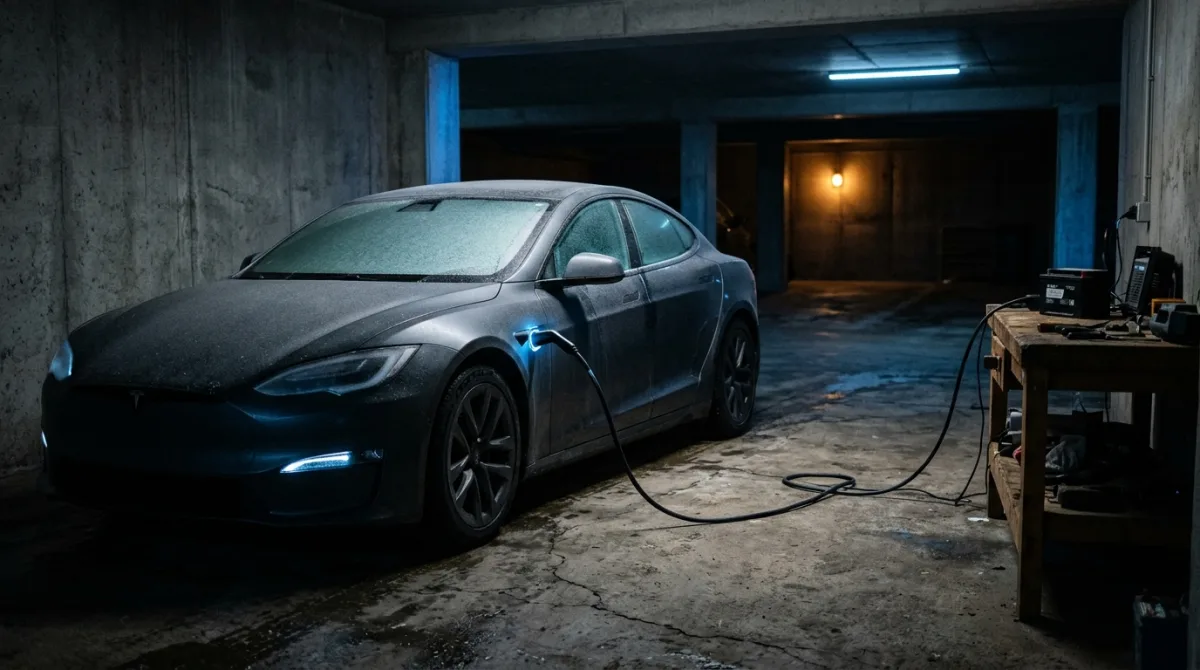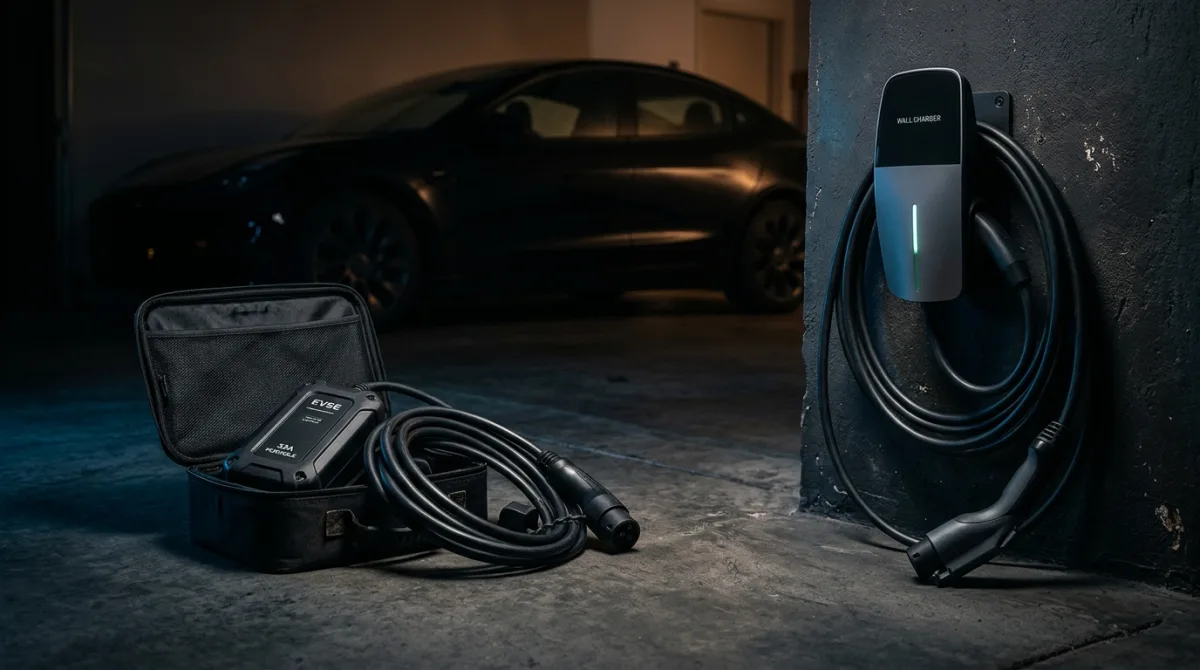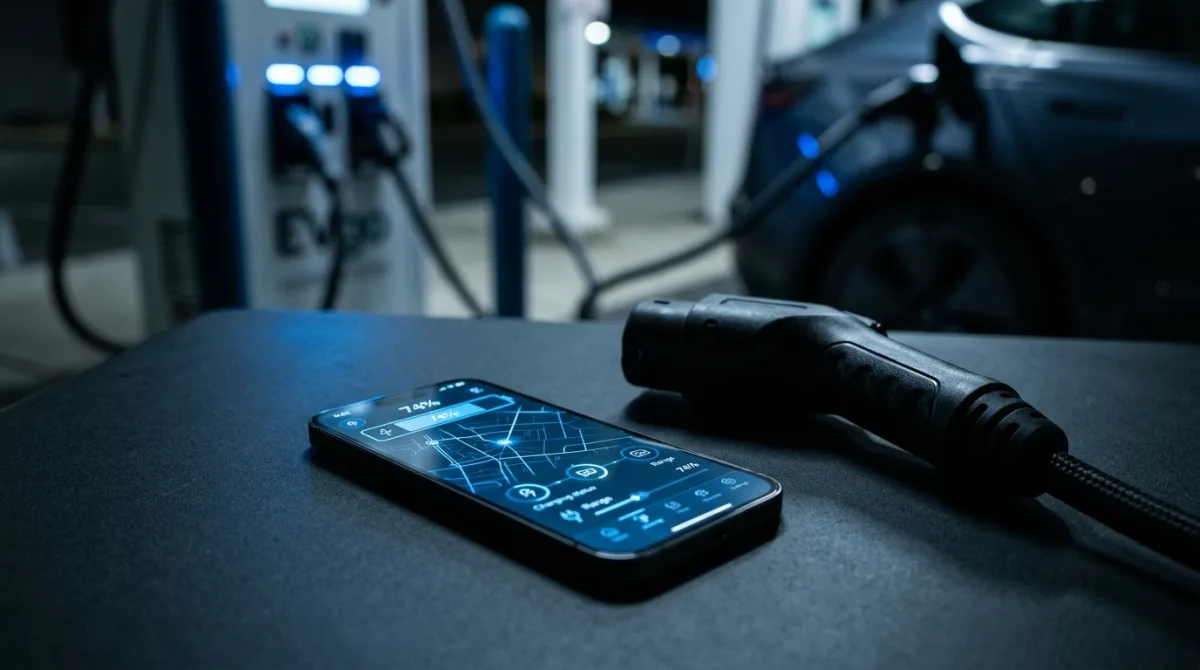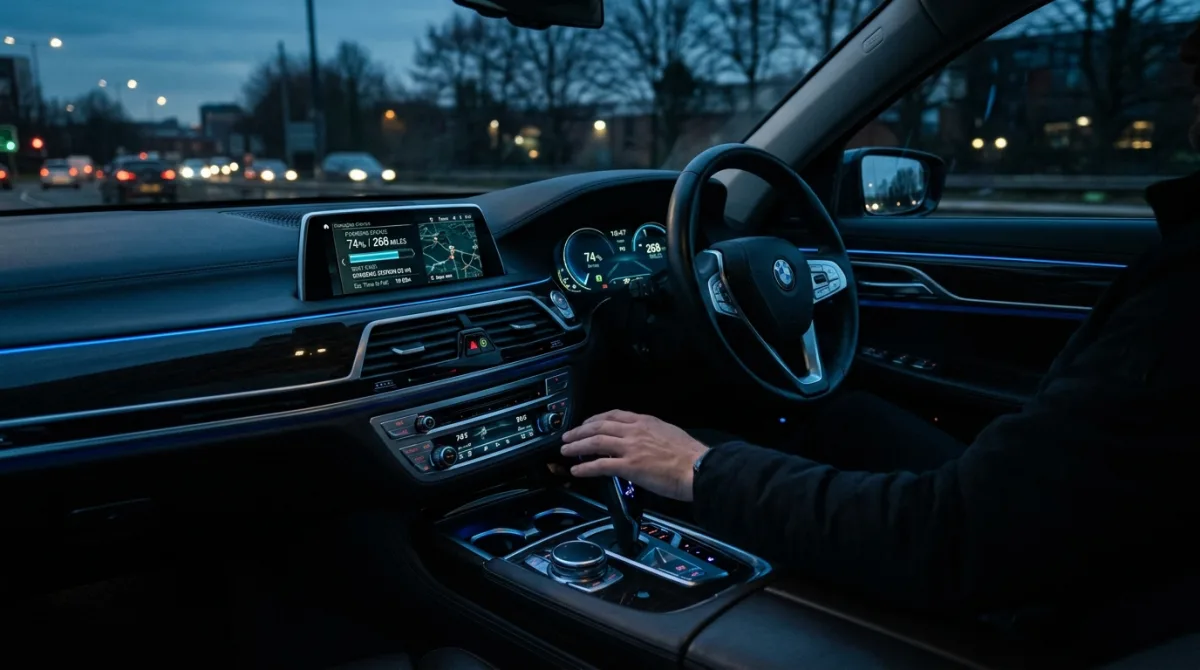
You picked up an EV, the test drive felt great, and now it's yours. Then the small questions start: why is the range dropping so fast, why did it lurch when I touched the pedal, and what is that faint whirring sound. Most of those moments are easy to fix. A few of them can cost you real money or put you in a dangerous spot. This list covers the mistakes new EV drivers make most often, so you can skip the learning curve.
Why most people get this wrong
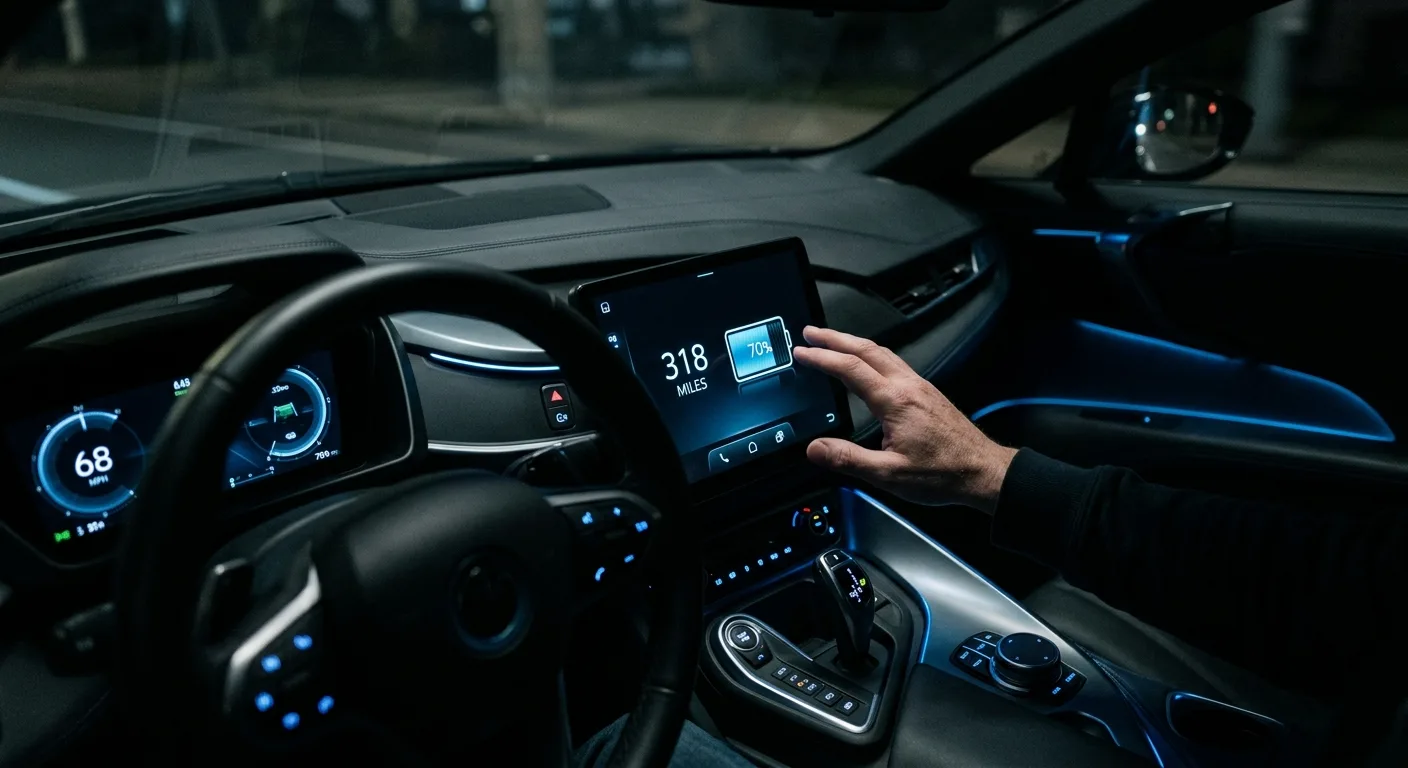
An electric car looks and drives like a normal car for the first ten minutes, so your brain files it under "car" and stops paying attention. But the energy system underneath behaves differently: range shifts with speed and temperature, regen changes how you brake, and charging has its own etiquette and limits.
Dealers are partly to blame. Handovers focus on pairing your phone and setting up the charge timer, not on how to read a range estimate that keeps moving. You drive off with a manual you will never open.
None of this is complicated once it is spelled out. The fixes below are small habits, not technical skills.
1: Treating the range estimate as a promise
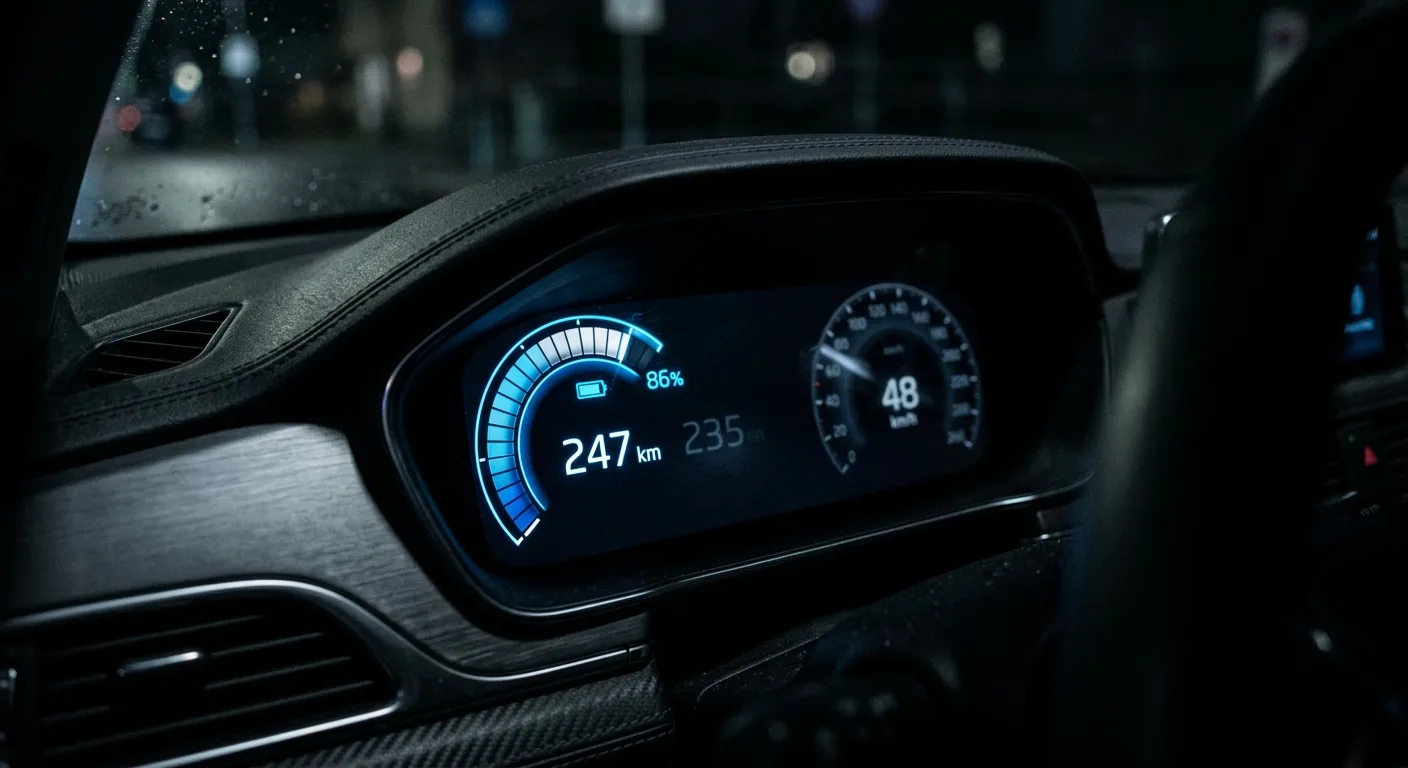
You leave home showing 210 km, drive 60 km to a meeting, and the return leg suddenly looks tight. Nothing is broken. The guess-o-meter recalculates constantly based on your recent speed, heaters, hills and temperature.
People make this mistake because the number is displayed with the confidence of a fuel gauge. A fuel gauge measures what is in the tank; an EV estimate measures what is in the battery and predicts how you will use it. Cold mornings and motorway speeds both push it down.
How to avoid it: plan around a cautious buffer of roughly 15-20% below the displayed range on unfamiliar routes, and check elevation and temperature before you leave. If you are still choosing a car, compare real-world range notes in the EV model directory rather than trusting brochure figures.
2: Charging to 100% every night out of habit
A driver who tops up to full every evening because "that's what I did with petrol" is quietly accelerating battery wear. Most EVs use lithium-ion cells that age faster when held at very high or very low states of charge for long periods.
The habit comes from fuel thinking: full tank, no worry. It ignores that the top of the battery is the stressful part.
How to avoid it: for daily driving, set your charge limit to around 80% and save 100% for the morning of a long trip. Check your car's menu for a charge-limit setting; nearly all modern EVs have one.
3: Ignoring the difference between AC and DC charging
New owners sometimes plug into a rapid DC charger for a five-minute top-up on the way to the shops, or expect a slow home socket to fill the car overnight. Both lead to frustration.
AC charging (home wallbox, street posts) is gentle and suits daily life. DC fast charging is for journeys and works best when the battery is warm-ish and below roughly 80%, then tapers off. People confuse the two because both use a cable and a plug.
How to avoid it: charge slowly at home, fast on the road, and don't sit on a rapid charger past 80% unless you truly need the extra kilometres. If you want to estimate charging times before a trip, the free EV calculators and tools can help.
4: Braking like it's a petrol car
A new driver lifts off the accelerator and the car slows sharply on its own. Startled, they stab the brake. Then, on a wet roundabout, the car feels unsettled because regen and friction brakes are sharing the work in a way they don't expect.
One-pedal driving is a skill. It is safe once you understand it, but it catches people out in the first week, especially when switching between an EV and a petrol car in the same household.
How to avoid it: find an empty car park and practise lifting off gently at different speeds until you know how much deceleration to expect. Also learn where your car's regen strength setting lives, and use a lower setting in slippery conditions if your model allows it.
5: Assuming the car is silent, so nobody hears you
EVs are quiet at low speed, and pedestrians genuinely do not hear you coming in a car park. Some models emit a low-speed warning sound, but it is not loud, and it fades as you speed up.
Drivers make this mistake because the cabin is so peaceful that it is easy to forget the outside world is not hearing what you hear.
How to avoid it: treat car parks, side streets and shared spaces as places to slow down and make eye contact. Do not rely on the artificial sound to do the work for you.
6: Panicking over a warning light and unplugging things randomly
A yellow warning appears, and the first instinct is to disconnect the 12V battery or pull fuses to "reset" it. That is how a small fault becomes an expensive one, and on high-voltage systems it can be genuinely dangerous.
People do it because warning lights feel opaque and the internet is full of confident-sounding forum fixes. But an EV has two very different electrical systems: the 12V system that runs lights, screens and accessories, and the high-voltage traction battery that moves the car.
How to avoid it: note the warning, check your owner's manual for what it means, and work through the safe checks in the EV troubleshooting guides. Anything involving orange cables, the traction battery pack or the motor is a stop-and-call-a-technician situation. A careful owner can check a 12V accessory fuse with the diagnostic and fuse guides; high-voltage work belongs to a qualified professional, full stop.
7: Leaving the car at a very low charge for weeks
You park up before a holiday with 6% showing, thinking you will charge when you get back. Three weeks later the car may refuse to start, and the battery has been sitting in the state it likes least.
This one is easy to miss because petrol cars don't care. Lithium cells do.
How to avoid it: before a long park-up, leave the car at roughly 40-60% and plug in if your manual recommends it. Check the manual for your model's storage guidance, because recommendations vary.
8: Hammering it from cold on every trip
Instant torque is the best part of an EV, and it is tempting to launch off every junction. Do it repeatedly from a cold start in freezing weather and you will notice range falling fast and, over time, more wear on tyres and drivetrain.
The trap is that the car feels ready the moment you press the pedal. It is ready, but efficiency and tyre life both prefer a gentler first few minutes.
How to avoid it: drive normally for the first few kilometres, especially in the cold, and pre-condition the cabin while plugged in so the battery is not doing all the heating work.
9: Never reading the manual for your specific car
Two EVs can look identical on the outside and behave completely differently on the inside: different charge limits, different regen profiles, different warning symbols, different towing rules.
New drivers skip the manual because the car "just works". Then they discover a feature they needed months ago, or miss a setting that would have saved them a roadside call.
How to avoid it: spend fifteen minutes on the charging and warning-lights sections of your manual this week. If you are still shopping and comparing two models, the head-to-head EV comparisons are a faster way to spot the differences that matter day to day.
Do this instead
- Set a daily charge limit around 80% and charge to full only before long trips.
- Plan journeys with a 15-20% range buffer, and check weather and terrain first.
- Charge slowly at home, fast on the road, and stop rapid charging around 80% unless you need more.
- Practise one-pedal driving somewhere empty before you rely on it.
- Slow down and make eye contact in car parks and shared spaces.
- Treat any high-voltage warning as a stop sign, not a puzzle to solve with a spanner.
- Leave the car at 40-60% before long idle periods.
- Read the charging and warning sections of your manual once, properly.
FAQ
Is it bad to charge my EV to 100% every day? For most lithium-ion EVs, holding the battery at full for long periods speeds up wear. Use 100% when you need the range, and an 80% limit for everyday driving. Check your manual, because some newer models manage this differently.
Can I leave my EV plugged in overnight? Yes, that is normal and expected. The car stops drawing power when it reaches its charge limit. Just make sure the limit is set sensibly and the cable and socket are in good condition.
Why does my range drop so much in winter? Cold slows the battery's chemistry and the cabin heater uses energy. A noticeable drop is normal. Pre-conditioning while plugged in and gentler early driving both help.
Do I need to service an EV? Yes. There is no oil change, but brakes, tyres, coolant, cabin filters and the 12V battery still need attention. Follow the schedule in your manual.
Is the warning sound other people hear actually loud enough? It is deliberately modest and fades at higher speeds, so do not depend on it. Assume pedestrians have not heard you and drive accordingly.
The takeaway: an EV rewards a few small habits, and the drivers who enjoy them most are the ones who learned the quirks early instead of fighting them.