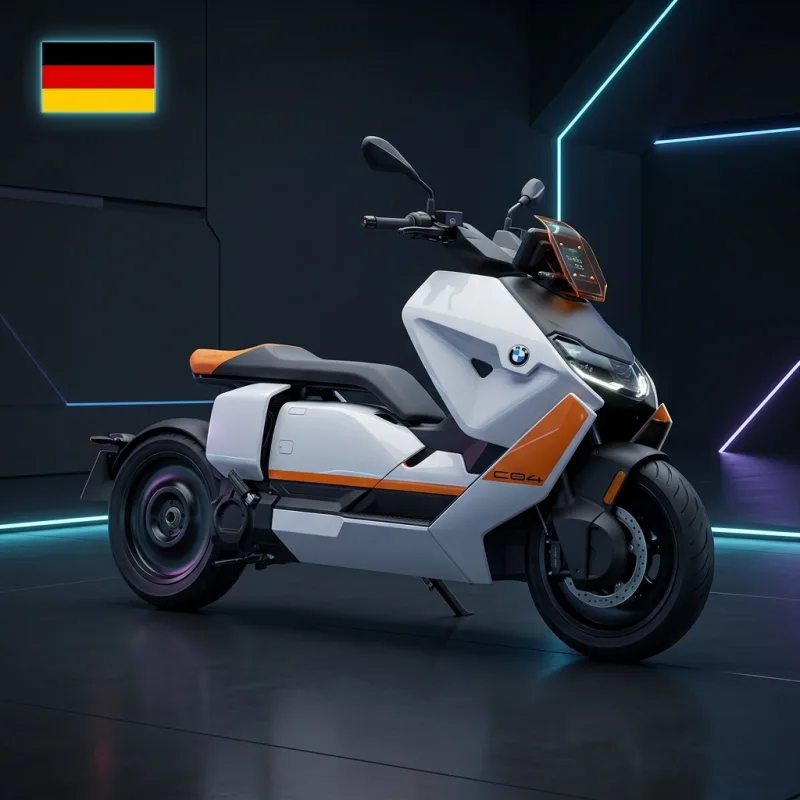
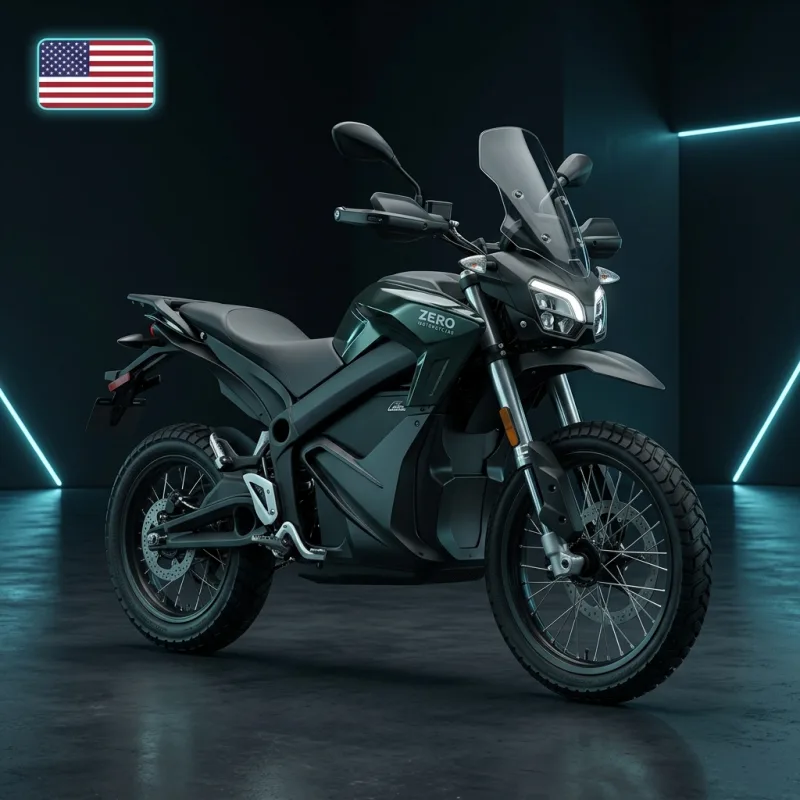
At a glance
Here is how the two models stack up on the specs that matter most.
| Specification | CE 04 | DSR/X |
|---|---|---|
| Range | 130 km | 290 km |
| Battery | 8.9 kWh | 17.3 kWh |
| Efficiency | 6.8 kWh/100km | 6 kWh/100km |
| 0-100 km/h | 0 s | 0 s |
| Fast charge 10-80% | ~0 min | ~60 min |
| Seats | 2 | 1 |
| Price | $16,000 | $24,500 |
| Rating | 4.3/5 | 4.5/5 |
| Estimated running cost / year | $153 | $135 |
The DSR/X wins 4 of 8 categories, making it our pick in this head-to-head.
Range & efficiency
The CE 04 is rated for 130 km of range versus 290 km for the DSR/X. That is a difference of about 160 km, which matters most if you do regular long trips.
The CE 04 consumes about 6.8 kWh per 100 km versus 6 kWh for the DSR/X - so the DSR/X is the cheaper and greener option per kilometre.
Performance
Acceleration figures vary by trim; check the full spec sheet below for the exact variant tested.
Charging
Charging time depends on the charger and battery temperature; the lower 10-80% figure means shorter stops on long trips.
Space & comfort
The CE 04 seats 2 and the DSR/X seats 1. Check the full spec sheet for cargo volume.
Price & running costs
The CE 04 lists at $16,000 and the DSR/X at $24,500. At 15,000 km per year, estimated running costs are about $153/yr versus $135/yr.
Verdict
The DSR/X is our pick, taking 4 of 8 categories in this head-to-head. It leads on the longer range (130 km vs 290 km), the larger battery (8.9 kWh vs 17.3 kWh) and the lower consumption (6.8 kWh/100km vs 6 kWh/100km). That said, the CE 04 is still the better buy if you are on a tighter budget (it is $8,500 cheaper), or you regularly carry more passengers (2 seats vs 1).