Your traction battery is the most expensive part of the car. It is also the part most owners understand least, because the habits that quietly wear it down look harmless on any given Tuesday. This article walks through the daily routines that accelerate degradation, so you can spot the ones you have slipped into and fix them before they cost you range.
Why most people get this wrong
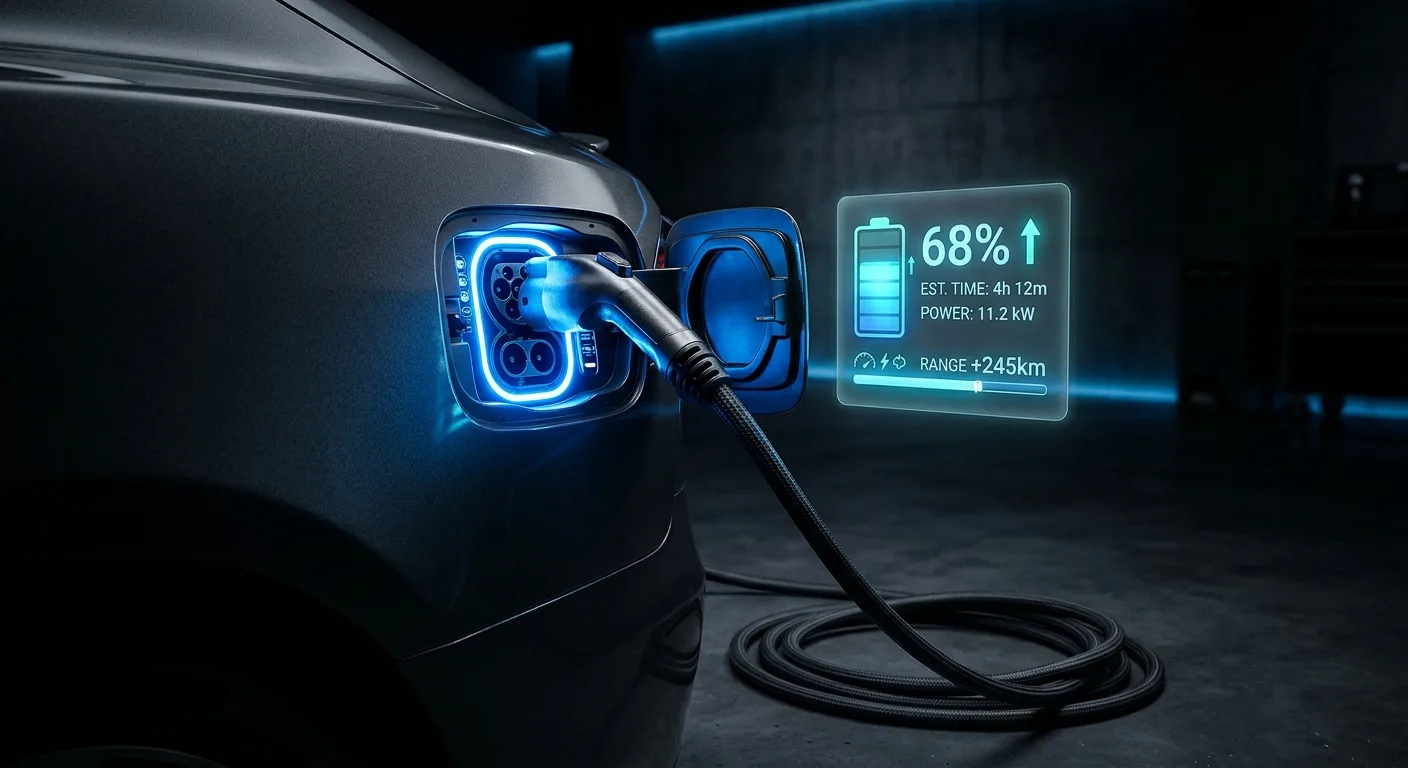
Petrol cars trained a whole generation of drivers to think in fuel-station logic: run it low, fill it up, repeat. That mindset carries over to EVs and does real harm, because a lithium pack is happiest in the middle of its charge window, not at either extreme.
The second problem is silence. A degrading battery does not clunk or smoke. You just notice, months later, that the car charges a bit slower or the guess-o-meter reads lower on a cold morning. By then the habit has been running for a year.
The good news: most of this is fixable with small routine changes, no workshop visit required. None of the habits below require you to baby the car to the point of misery. They are just the ones worth breaking.
1: Treating 100% as your everyday setting
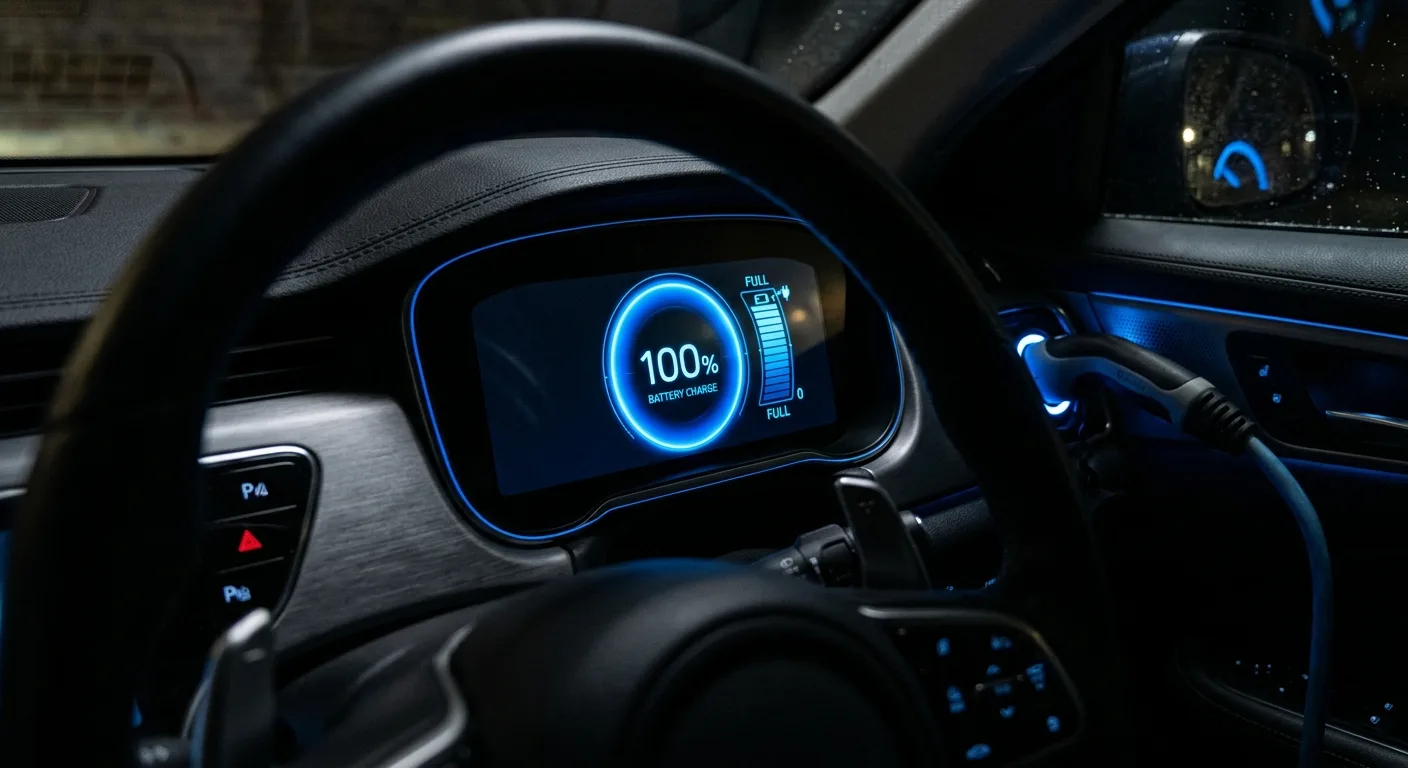
You plug in at home every night and let it top out at 100%, because that is what the app defaults to and the number looks reassuring. Then the car sits at full charge overnight, in the sun, until you leave at eight.
The consequence is real: a lithium-ion pack held at a very high state of charge for long stretches ages faster than one kept around the middle. For daily driving, most owners are better served by an 80% charge limit or the car's own "daily" setting. Save the full charge for the morning of a long trip, and check your model's recommended daily limit in the EV model directory if you are unsure.
2: Running it to near-zero on purpose
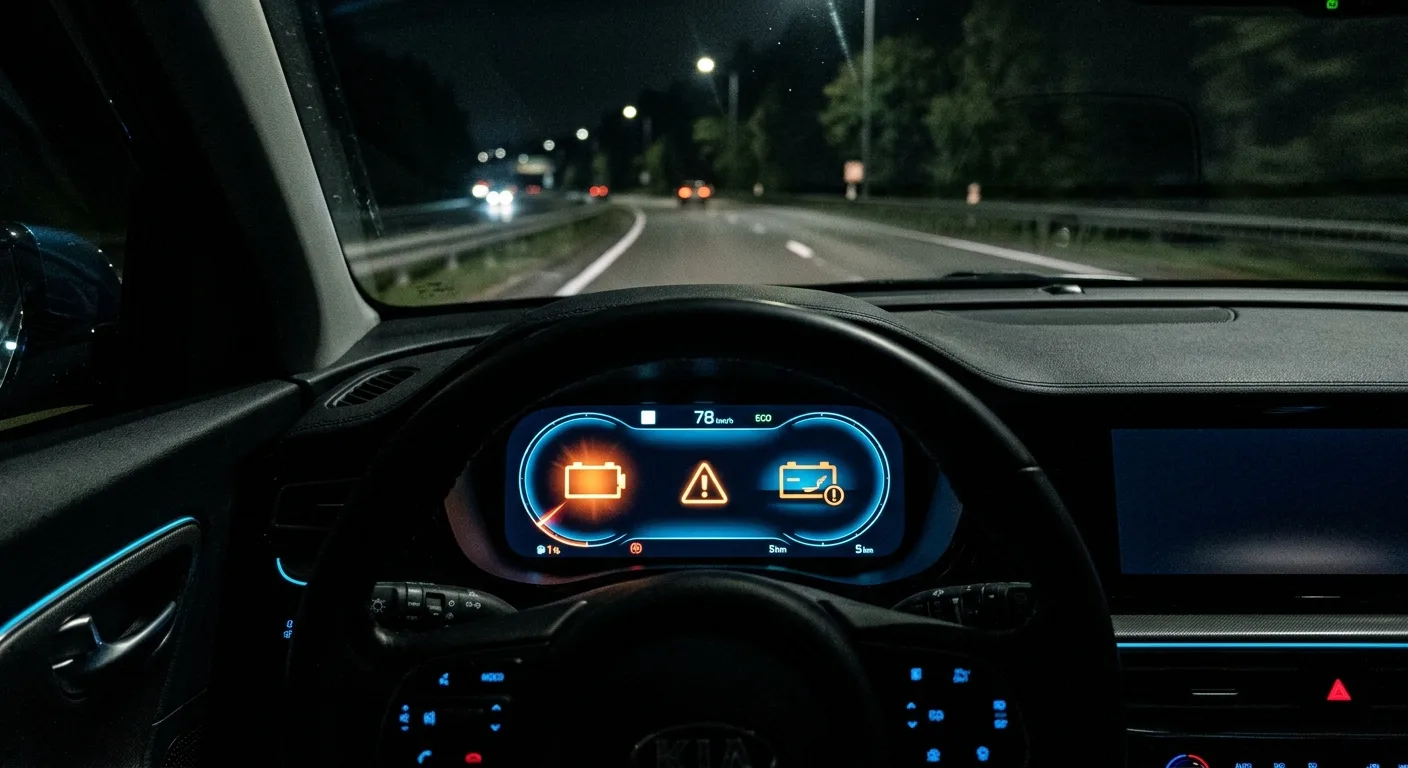
"I'm testing the real range," a friend told me, rolling in with 2% left and the turtle icon glowing. He did it three weekends running.
Deep discharges stress the cells and, if the car sits at a very low charge, can cause genuine damage. It also leaves you no buffer for a detour or a cold snap. Charge before you drop below roughly 10-15%, and never leave the car parked at a very low state of charge for days.
3: Leaving it plugged in and full for weeks
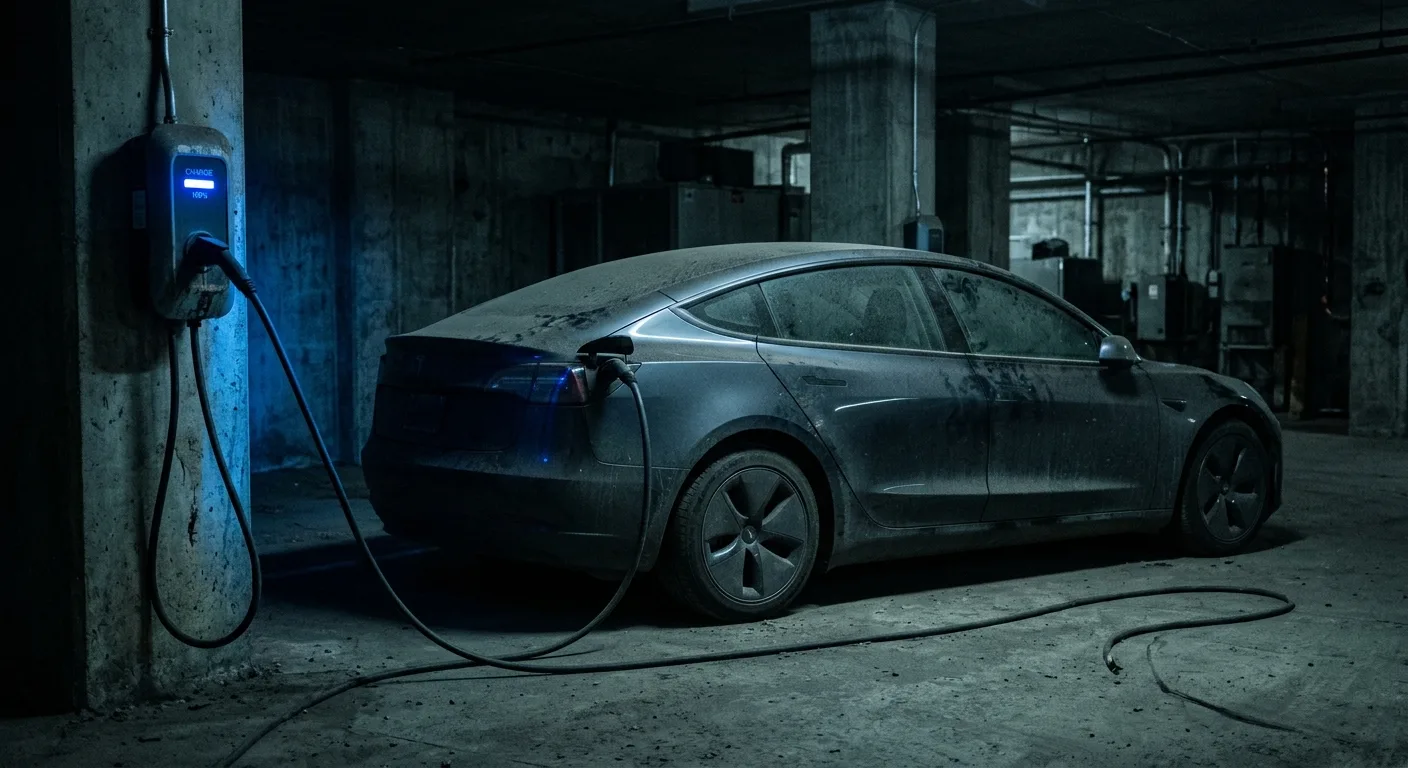
Airport parking, a long holiday, a car you only drive at weekends. The car goes away at 100% and sits there.
Calendar aging is the term for it: the pack ages by the clock as well as by use, and it ages faster at high charge. If you are leaving the car for weeks, charge it to somewhere in the middle of its range (check your manual, but roughly 40-60% is a common recommendation) and leave it unplugged.
4: Hammering DC fast charging out of convenience
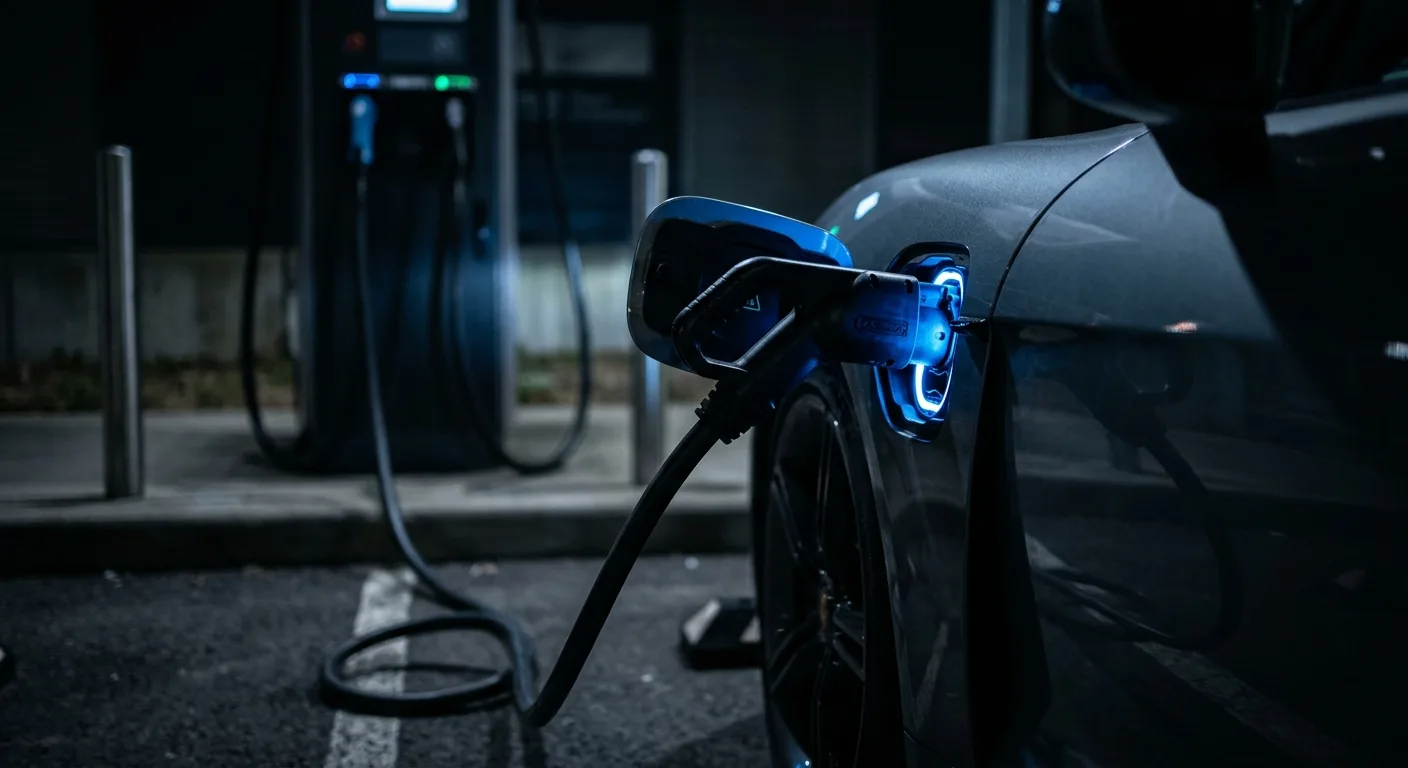
Fast charging has its place. Using it because it is next to the supermarket, when you have a home charger, is where it stops being sensible.
Sustained high-power charging generates heat, and repeated heat cycles add up. A fast charge now and then on a road trip is fine; making it your default is not. Use AC at home or work for routine top-ups and keep DC for journeys.
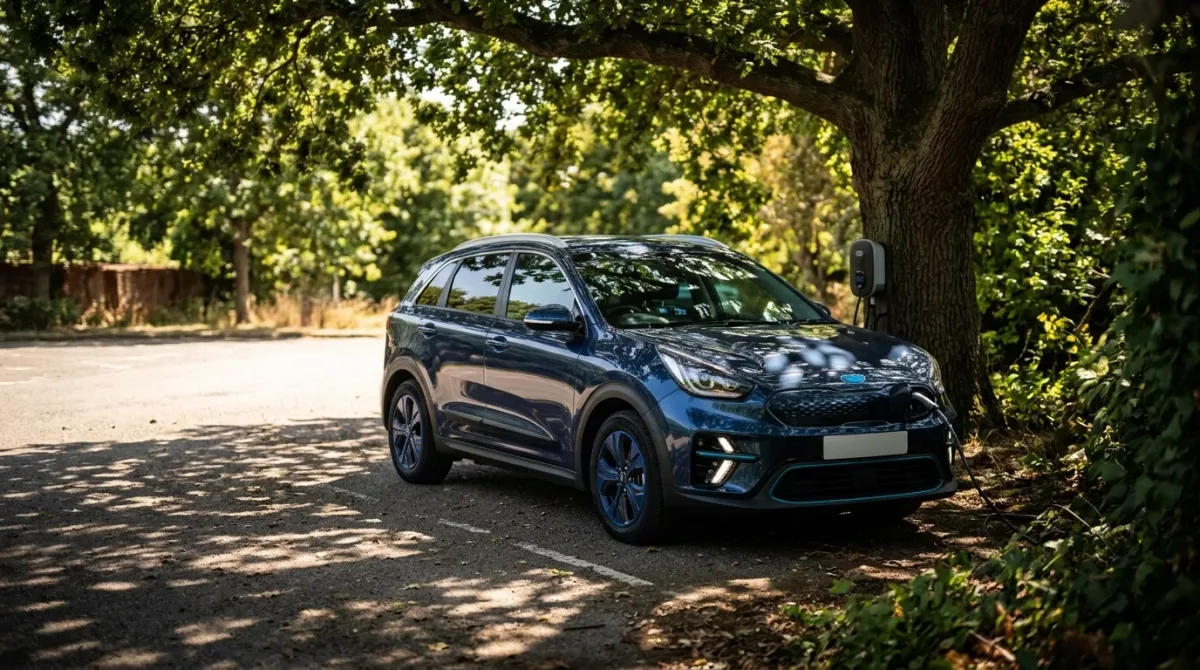
5: Ignoring heat, the quiet killer
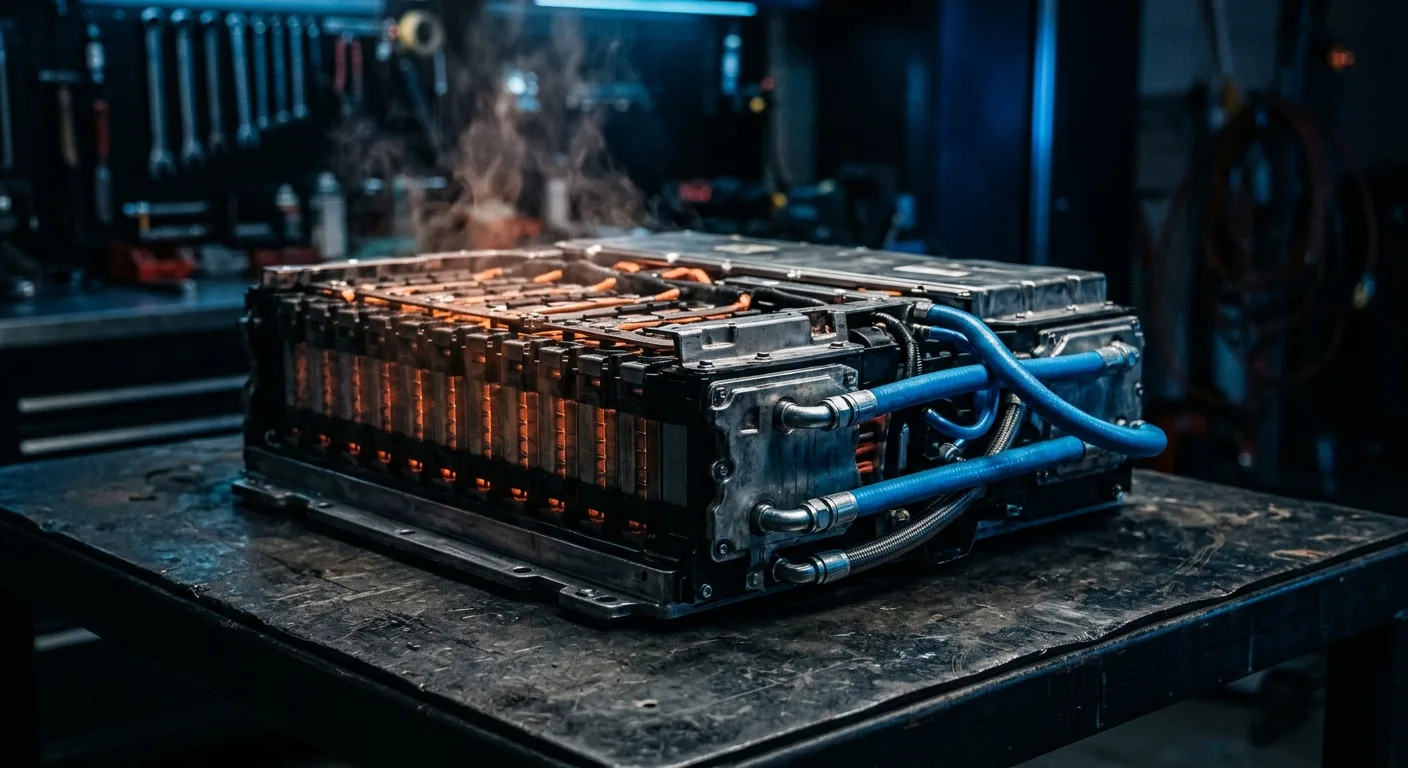
You park on hot asphalt in summer with the car at 90% and no shade. Or you fast-charge in the afternoon sun and then leave it sitting.
Heat is the single biggest environmental stress on a battery, and a hot pack at high charge is the worst combination. Park in shade or a garage when you can, avoid charging to full in a heatwave, and if the car offers battery preconditioning, let it do its job before a fast charge.
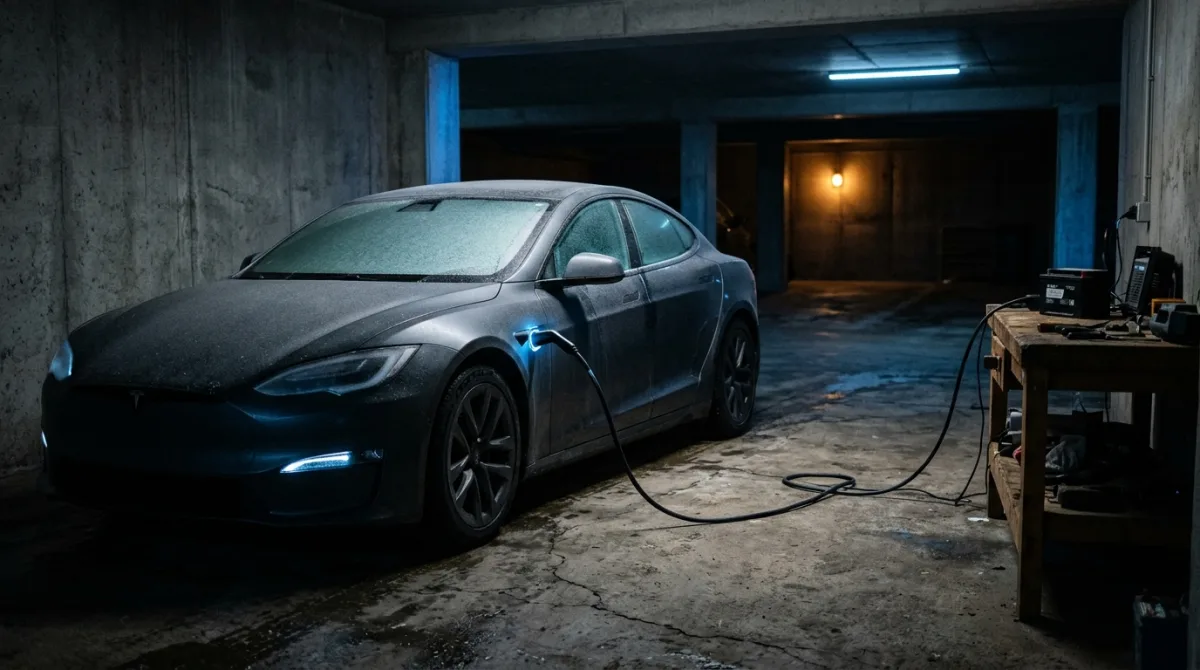
6: Assuming winter range loss means damage

This one is the opposite mistake, and it trips up plenty of owners. You lose a chunk of indicated range in the cold, panic, and start charging to 100% every night to compensate.
Cold slows the chemistry temporarily. It is not permanent damage, and the range comes back when the weather does. What does cause wear is overcharging in a panic. Keep your normal charge limit, precondition the cabin while plugged in, and read up on EV troubleshooting guides if the loss looks bigger than the season explains.
7: Storing it at the wrong charge for months
A project car, a second vehicle, a car left at a relative's house. It sits at whatever charge it had when you parked it, for months.
The battery self-discharges slowly, and a pack left at either extreme for a long time ages faster. For storage, aim for the middle of the range, leave it unplugged, and check it every few weeks. If you are unsure what your model recommends, the owner's manual is the authority, not a forum post.
8: Never using the charge timer or scheduled charging
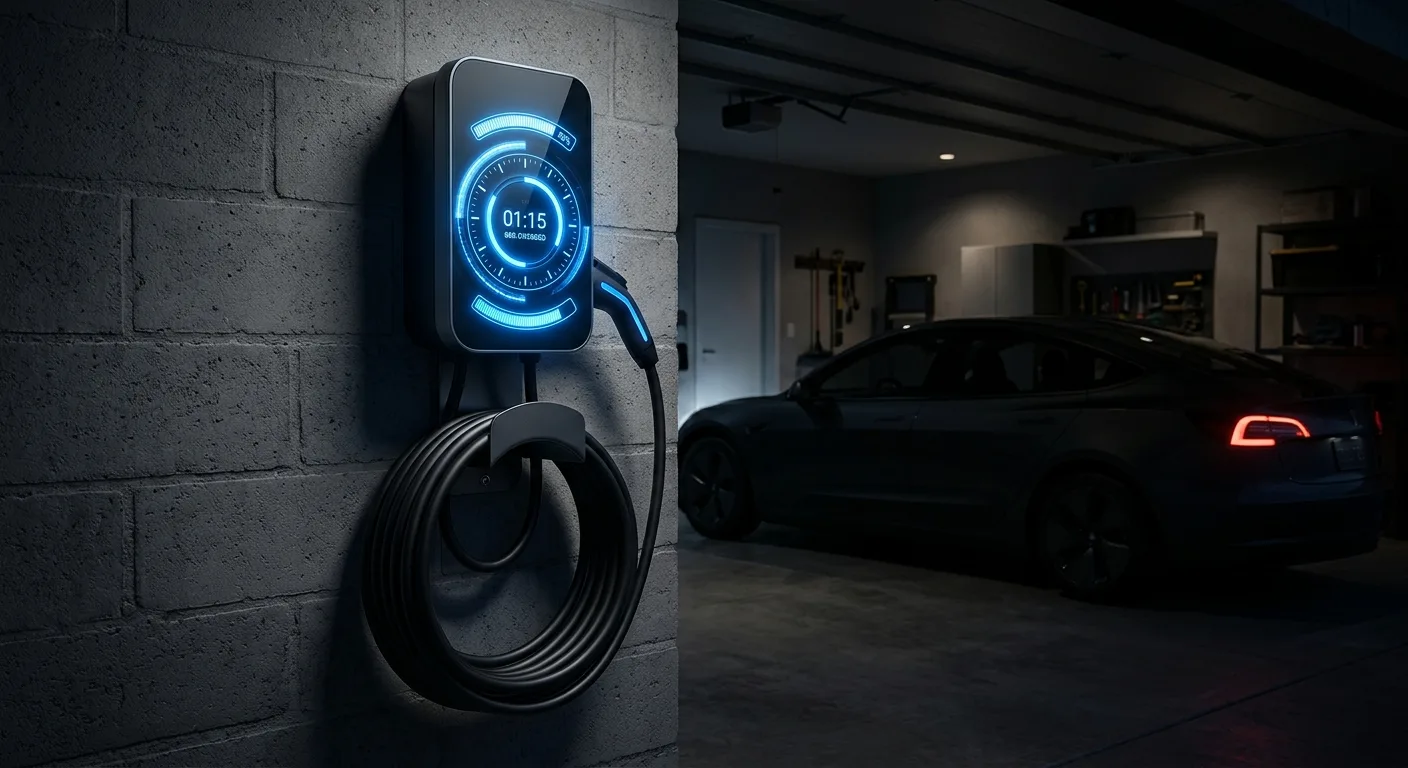
Cheap overnight electricity, a car that charges the moment you plug in at 6pm, and a full pack sitting until morning. You have paid more and stressed the battery for no reason.
Timed charging fixes both problems at once. Set the car to finish charging shortly before you leave, so it spends less time sitting full. It is one of the few habits that saves money and wear simultaneously.
9: Ignoring warning signs and odd behaviour
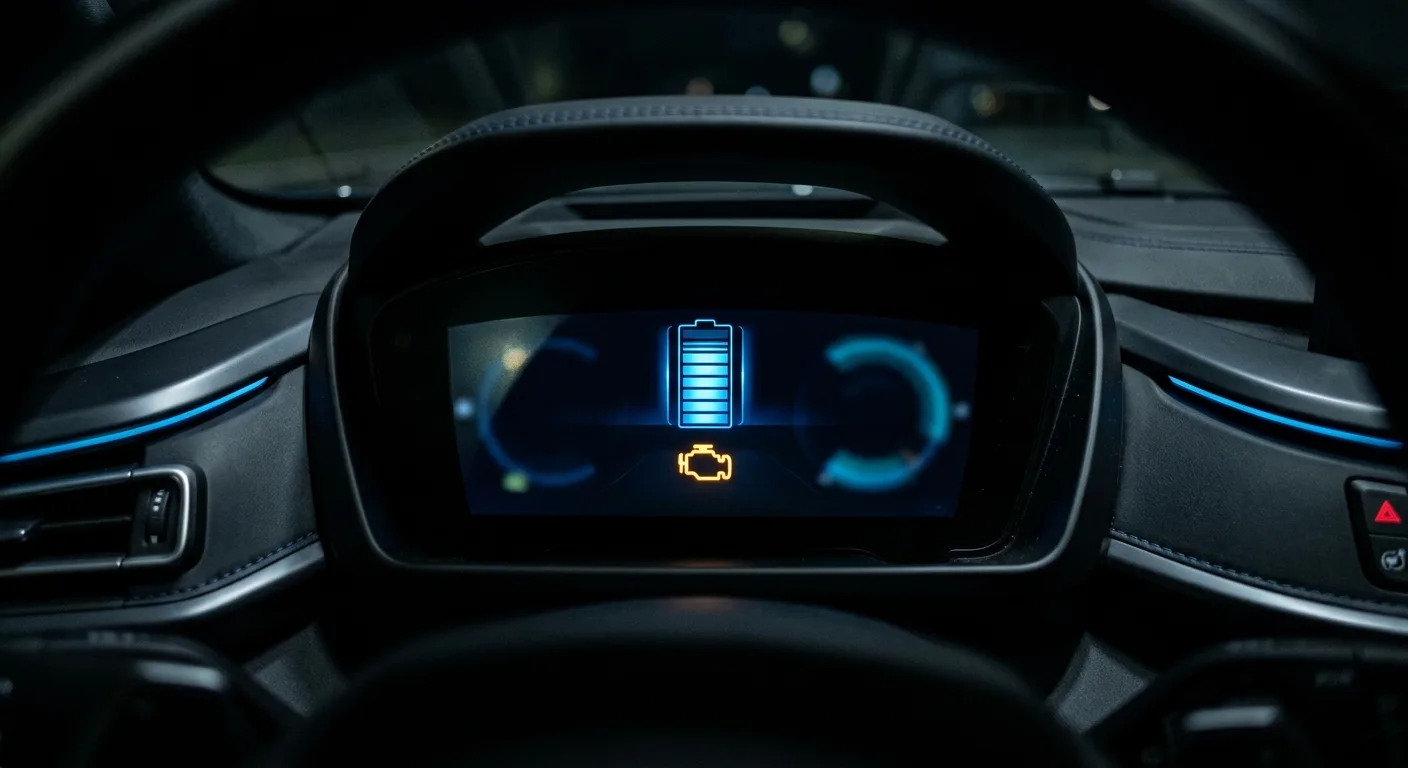
A charge that suddenly takes longer. A range drop that does not match the weather. A warning light you dismiss because "it still drives fine." These are the cheap moments to investigate.
A qualified technician should look at anything that smells like a cell or pack problem, and you should not open or probe the high-voltage system yourself under any circumstances. Start with the EV diagnostic and fuse guides to understand what you are seeing, then book it in.
10: Buying blind and never checking the battery's history
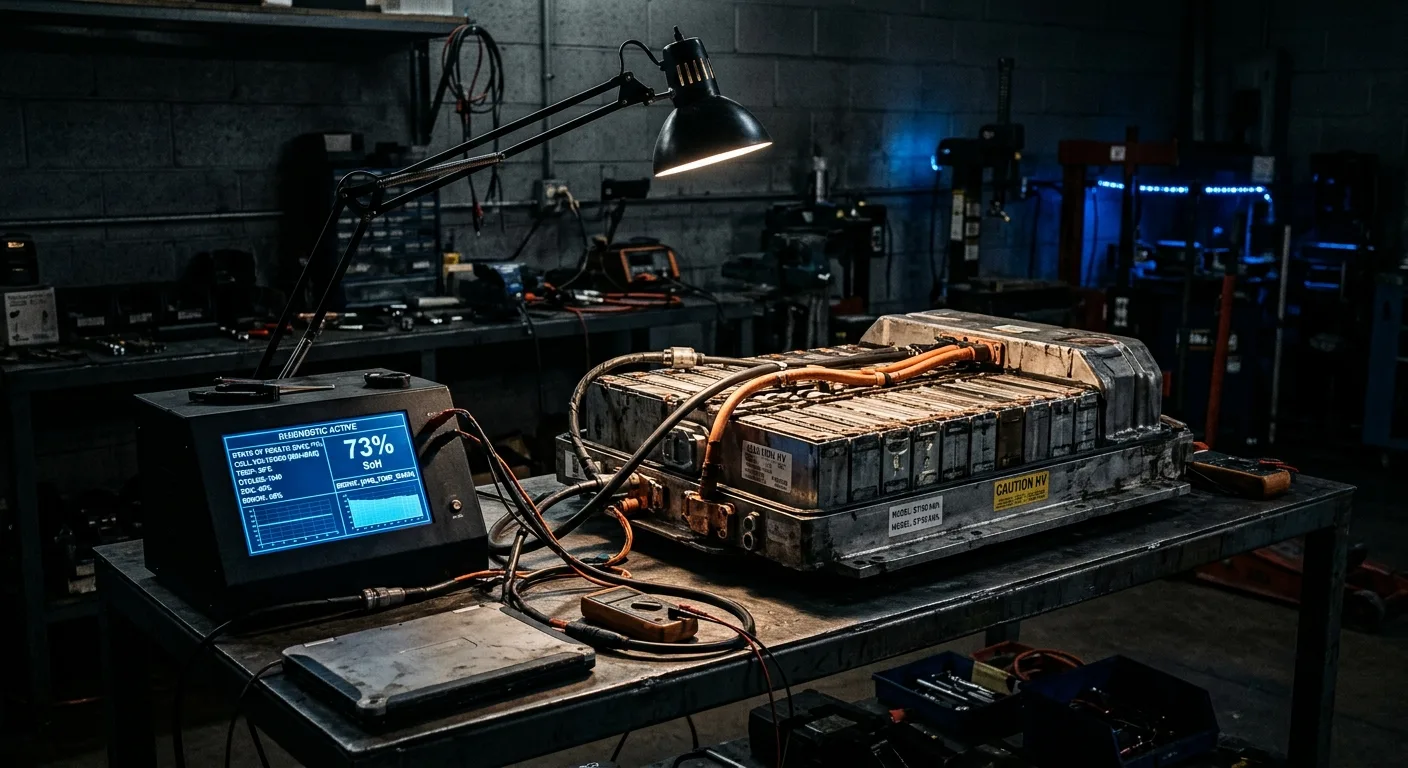
You buy a used EV on price and mileage alone, with no idea how the previous owner treated it. The pack is the car's biggest cost, and its history matters more than a tidy interior.
Before you buy, ask for a state-of-health readout, take a test drive that includes a fast charge if possible, and compare candidates on more than headline range. Our head-to-head EV comparisons and the free EV calculators and tools help you sanity-check range and running costs before you commit.
Do this instead
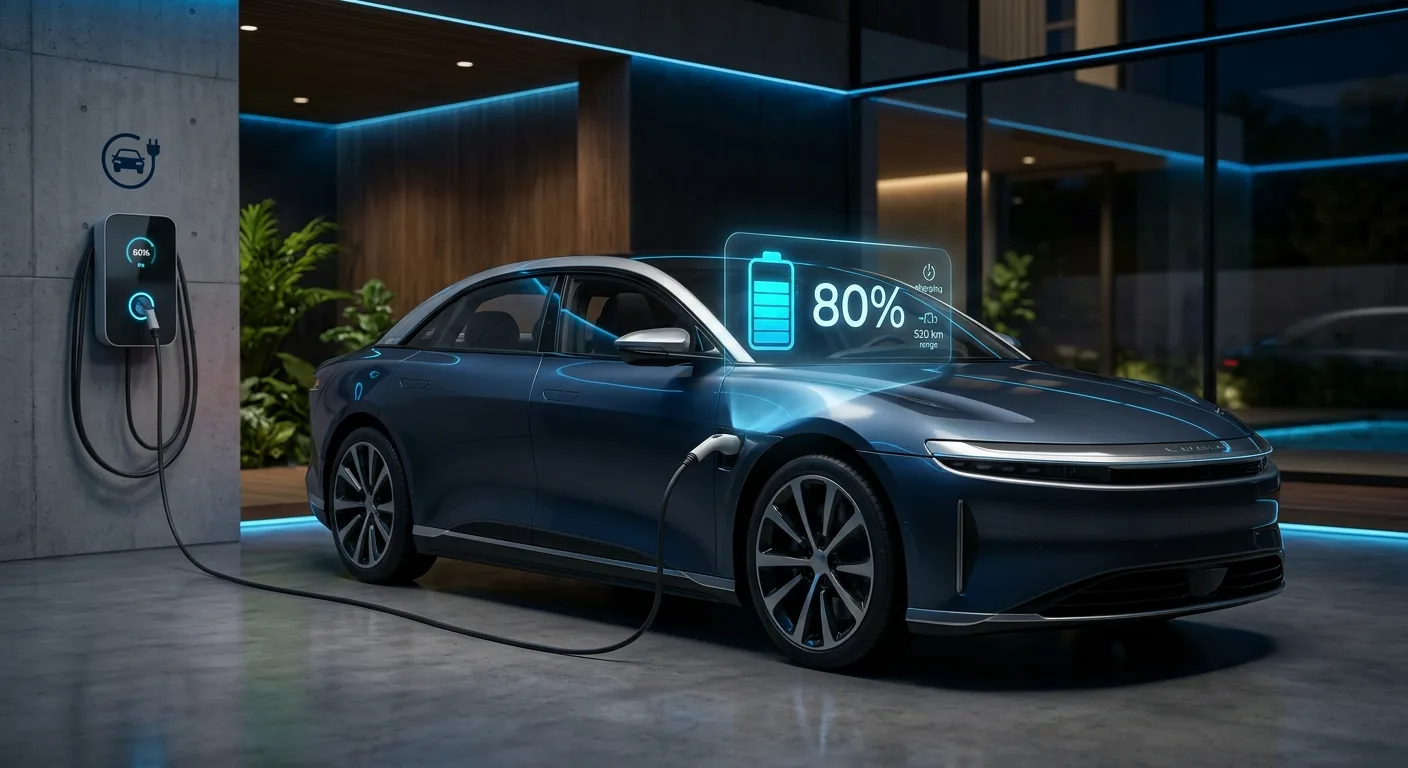
- Set a daily charge limit around 80%, and go to 100% only before a long trip.
- Charge before you drop below about 10-15%, and never store the car at either extreme.
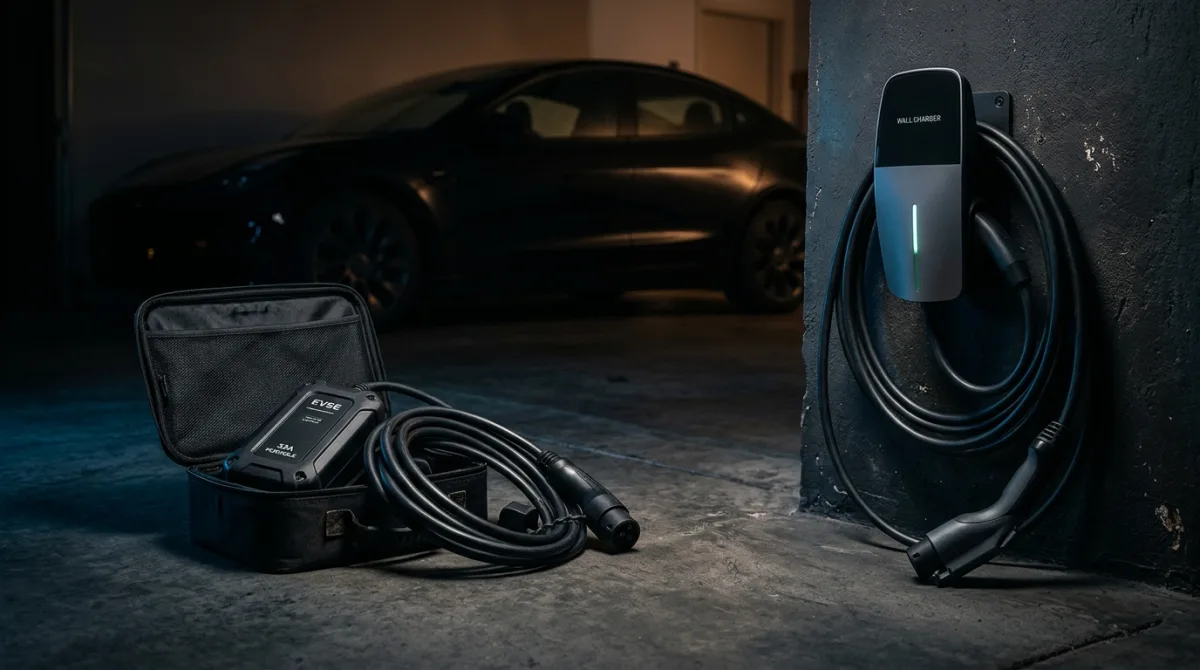
- Use AC charging for routine top-ups; keep DC fast charging for journeys.
- Park in shade, avoid charging to full in a heatwave, and let preconditioning run.
- Use the charge timer so the car finishes charging close to your departure.
- Investigate odd charging behaviour early; leave high-voltage work to a qualified technician.
- When buying used, ask for a state-of-health readout before you hand over money.
FAQ
Does fast charging really damage my battery? Occasional DC fast charging is fine. Making it your everyday method, especially in hot weather, adds heat and wear. Routine AC charging is gentler.
Should I charge to 100% every night? For most daily driving, no. A limit around 80% is kinder to the pack. Charge to full when you need the range, and not as a default.
Is winter range loss permanent? No. Cold slows the chemistry temporarily and the range returns as it warms up. Do not overcharge in a panic to compensate.
Can I leave my EV plugged in for weeks? Better to leave it unplugged at a mid-range charge for long storage. Check your manual for the specific recommendation for your model.
How do I know if a used EV's battery is healthy? Ask for a state-of-health readout, test a fast charge on the drive, and compare the model against others before buying. Do not rely on mileage alone.
The cheapest battery protection you will ever buy is a charge limit and a bit of shade.