Heat is harder on your range than most drivers expect. Run the air conditioning hard, park in the sun, and push a highway speed limit, and you can watch the estimated range drop faster than the miles actually tick down. By the end of this guide you will know how to cut that loss, from preconditioning and charge timing to the cabin settings that matter most. Set aside about 15 minutes to read it and another 10 to change a few settings in your car today.
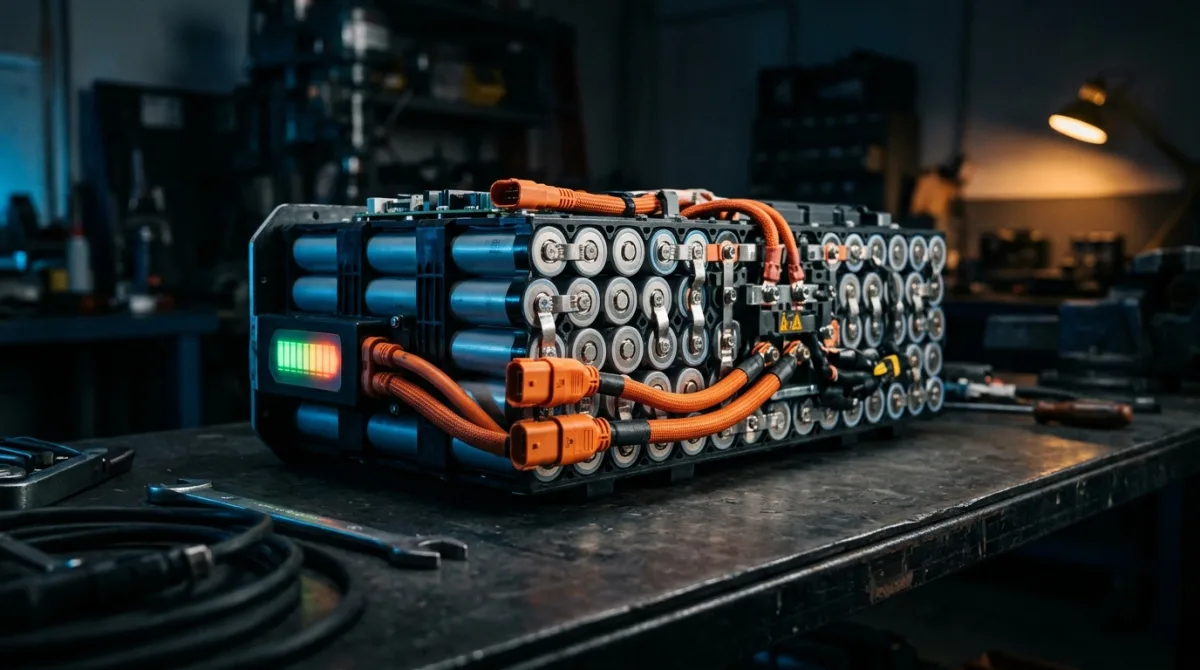
One honest note up front: this guide covers what a careful owner can safely do from the driver's seat and the charge port. It does not cover opening the high-voltage battery pack or servicing the thermal system. Those jobs belong to a qualified technician, full stop.
What you need before you start
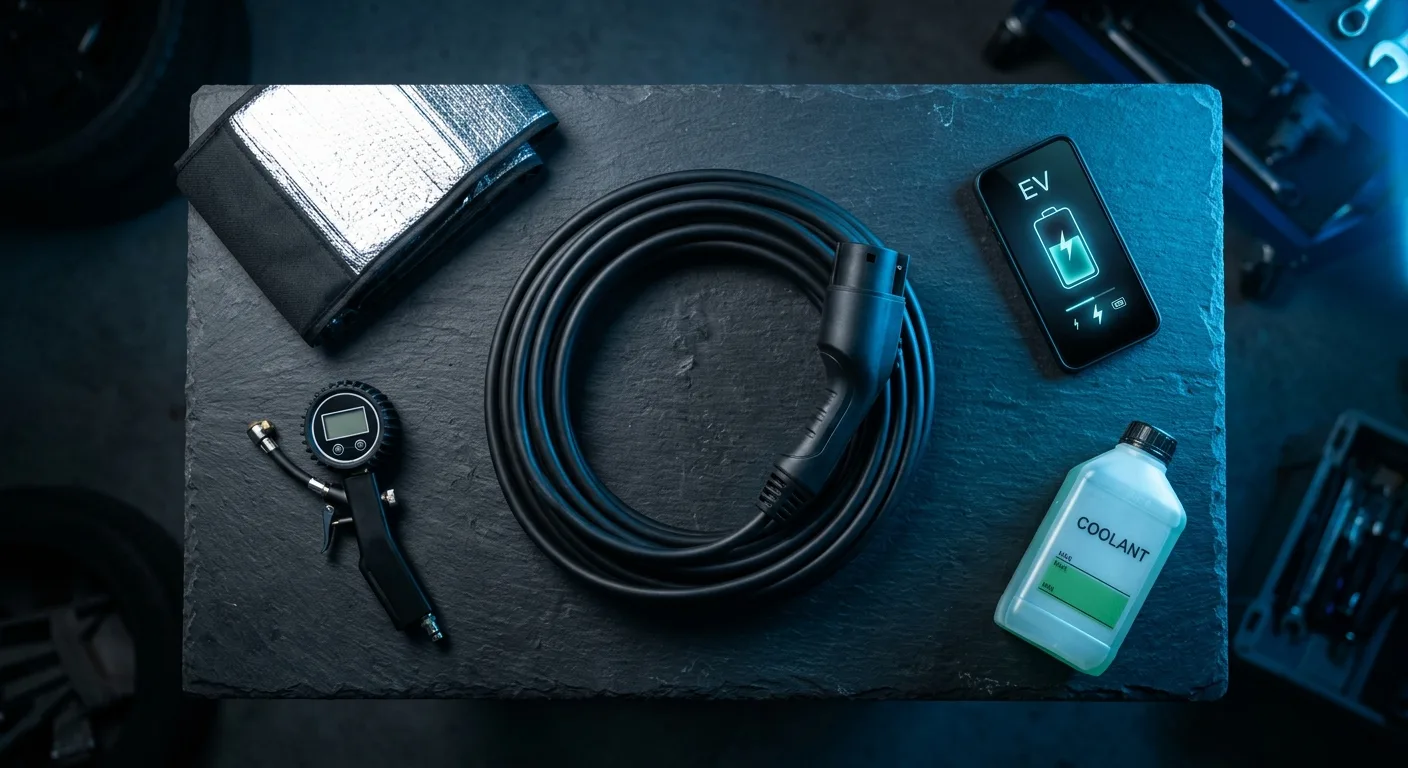
- Your car's own app or infotainment menu, so you can reach climate, charging and efficiency screens. Most major brands offer this free; check yours.
- A tire pressure gauge. Cheap, and worth its weight in range.
- Your car's stated tire pressures, usually on a door-jamb sticker. Use the unit your gauge reads, typically PSI or bar.
- A way to log trips, even a notes app on your phone. You want to see what actually costs you miles.
- Access to a shaded or covered parking spot, if you have one. If not, a sunshade helps.
- No account or sign-up needed for any of the steps below.
Step 1: Precondition the cabin while still plugged in
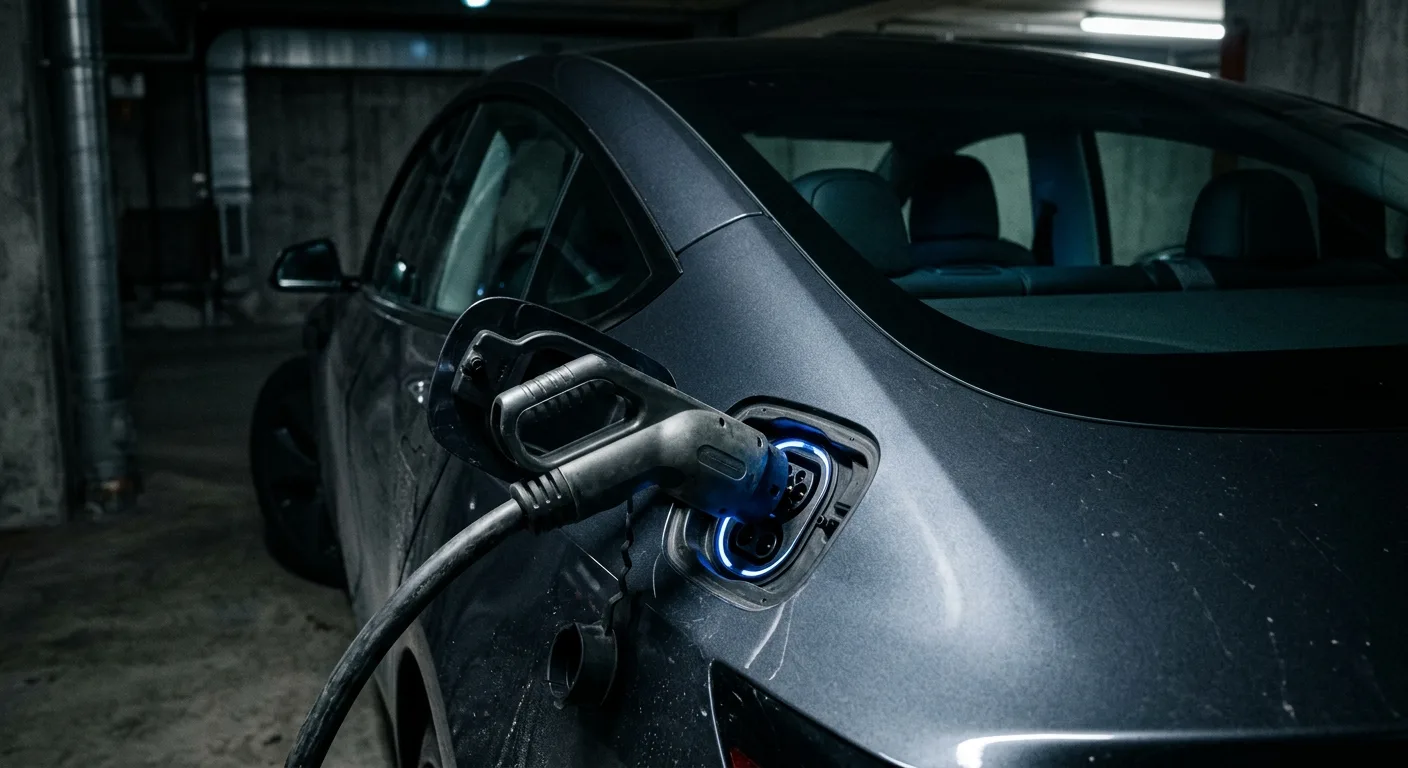
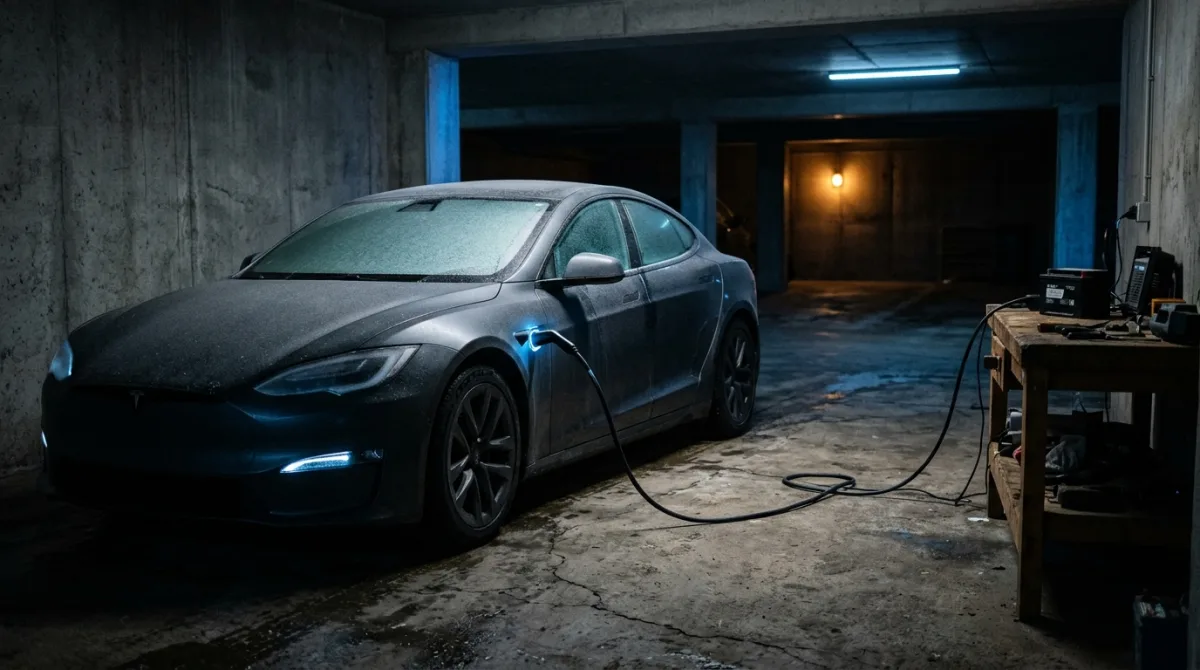
Use your car's app or the climate timer to cool the cabin before you leave, while the car is still connected to the charger. This is the single biggest lever in hot weather, because the climate system draws from the wall instead of the traction battery.
Set the target temperature to something reasonable, around 22-24°C (roughly 72-75°F), and schedule it 10-15 minutes before departure. On many cars the option is labelled "Precondition," "Climate start" or similar. Check your manual for the exact name.
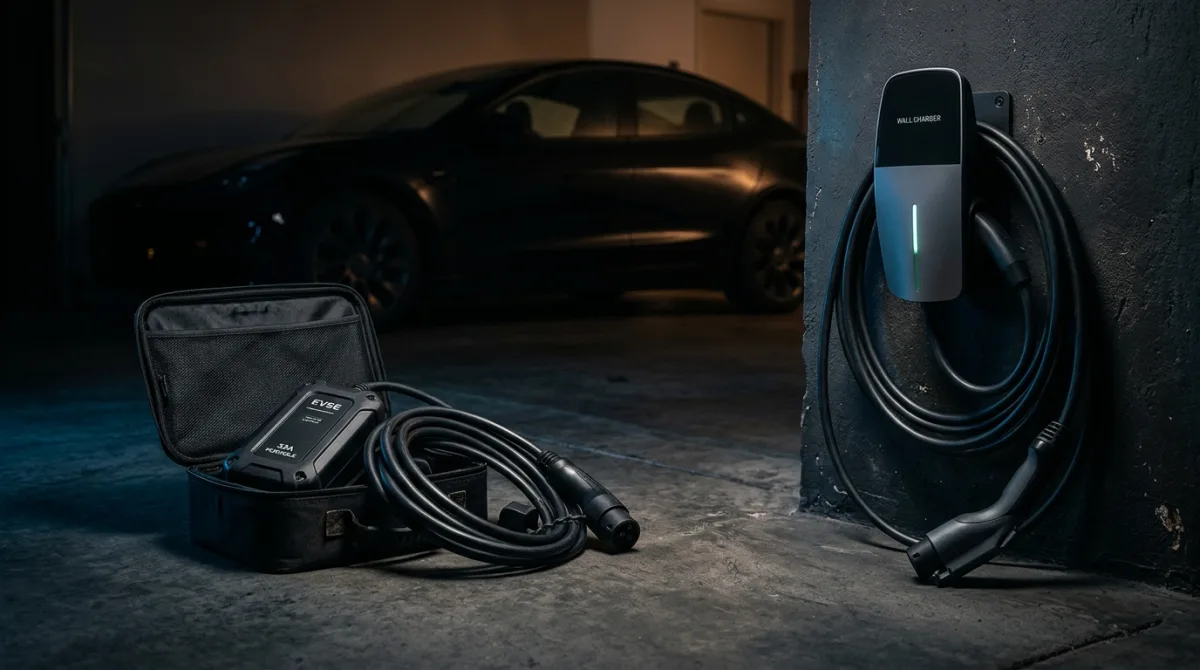
Tip: Preconditioning works best on a Level 2 charger. On a standard household outlet it may not keep up with the cooling demand, so verify what your setup can handle.
Step 2: Time your charging to the coolest part of the day
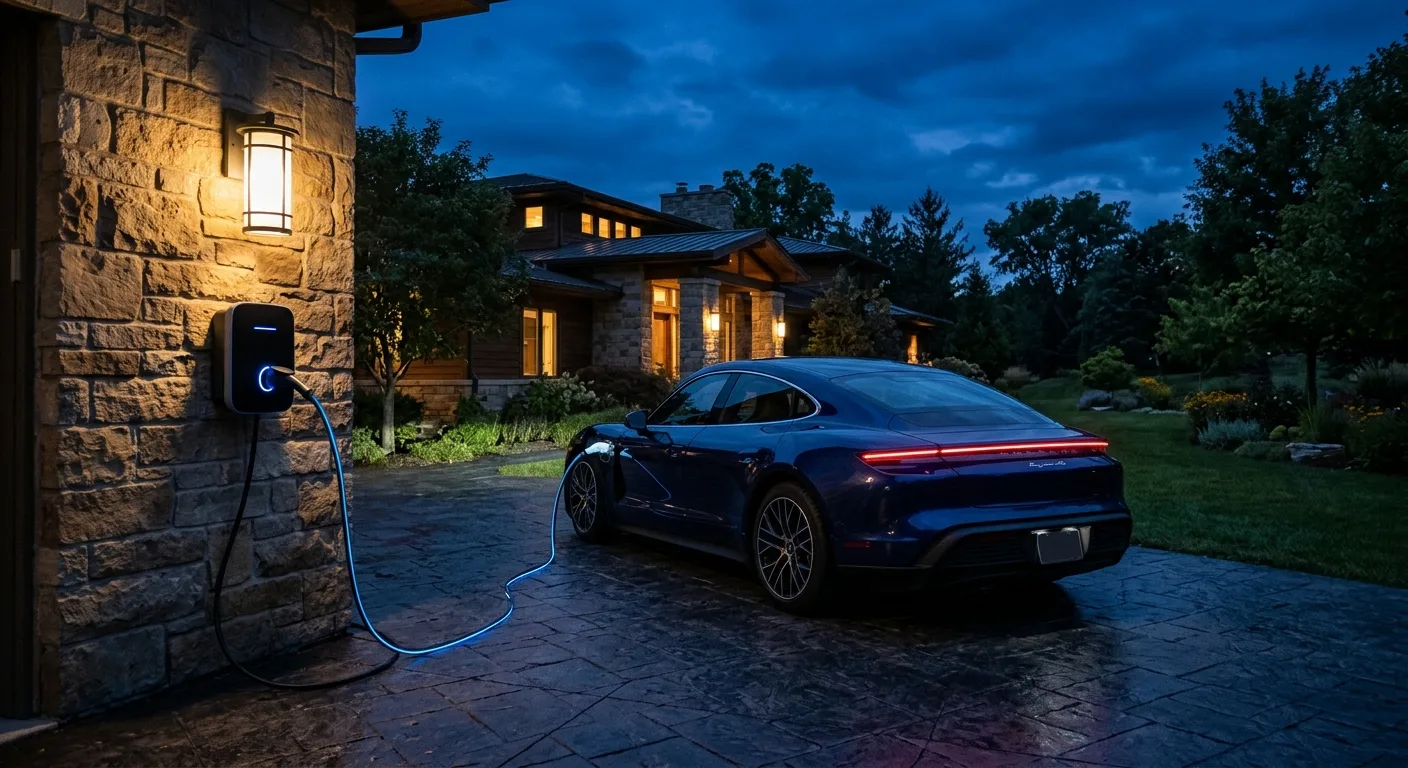
Battery charging generates heat, and hot cells charge more slowly and stress the pack. Where you can, charge overnight or in the early morning rather than at midday. If you rely on public fast charging, avoid arriving with a hot, recently driven battery if you have the choice to wait.
On many cars you can set a departure time and let the car manage charging itself. Look for "Scheduled charging" or "Departure time" in the charging menu. This also pairs neatly with Step 1.
Tip: If your car lets you limit charge level, keeping the everyday cap lower reduces time spent at a high state of charge in the heat. Check what your manufacturer recommends, since guidance varies by model. Our head-to-head EV comparisons often note charging behaviour differences between models.
Step 3: Cool the cabin smartly, not constantly
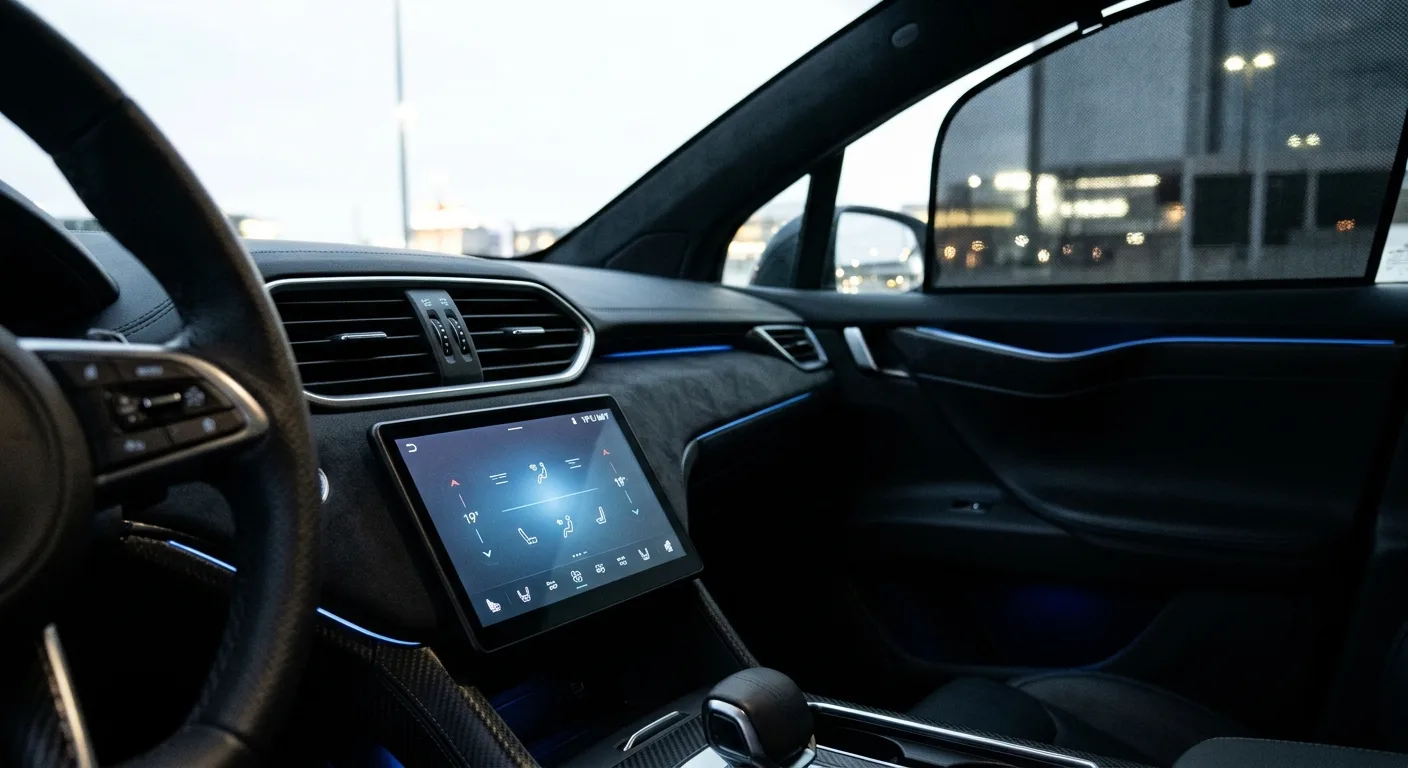
Once you are moving, the air conditioning is your biggest electrical draw after the motor. Set a comfortable temperature and leave it, rather than blasting maximum cold and then switching it off. Cycling the compressor on and off wastes energy.
Use recirculation mode once the cabin is cool. It recycles already-cooled air instead of pulling in hot outside air, which cuts the load. Most cars label this "Recirculate" or show a circular arrow icon.
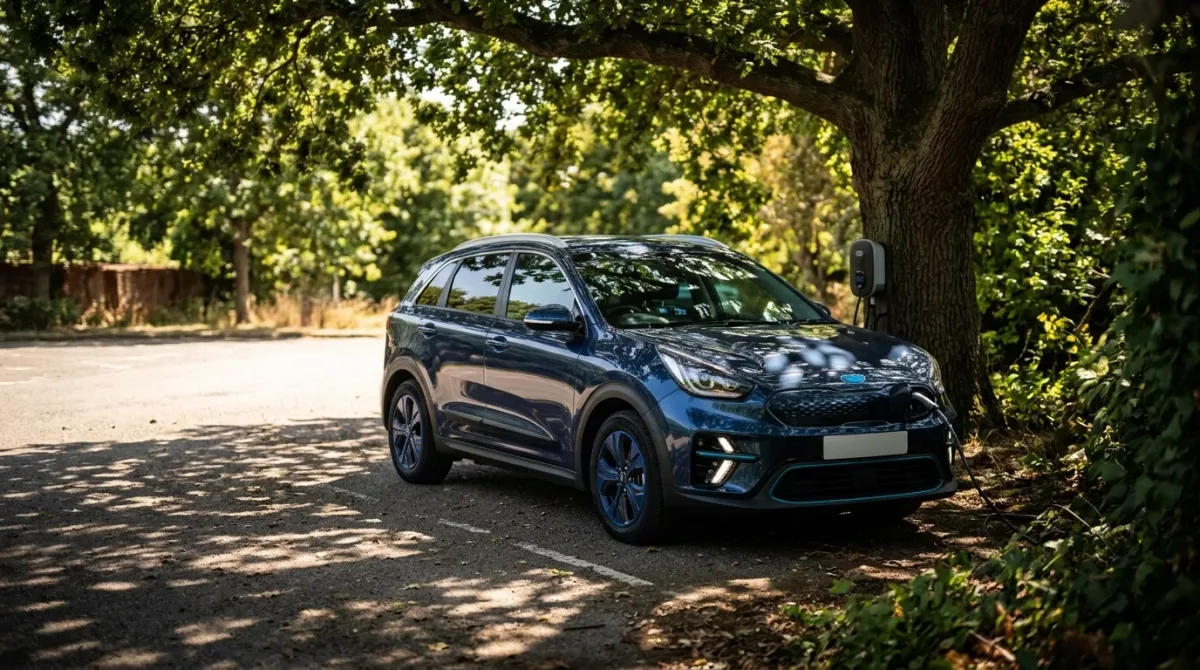
Tip: Park in shade or use a reflective sunshade. A cabin that starts cooler needs less air conditioning to reach your target, and that saving repeats every trip.
Step 4: Check and correct your tire pressures
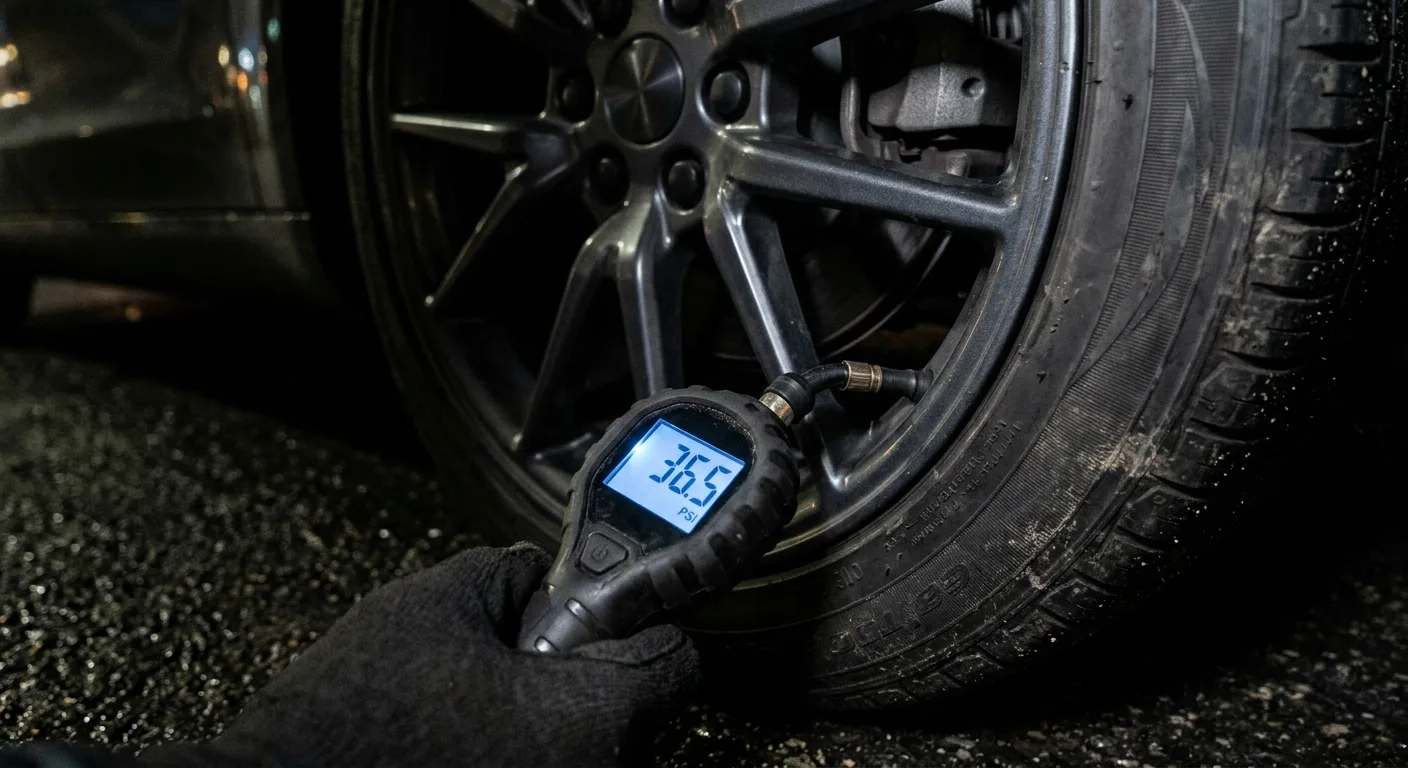
Under-inflated tires increase rolling resistance, which quietly eats range. Heat raises pressure slightly, so check when the tires are cold, ideally in the morning. Inflate to the door-jamb figure, not to whatever feels right.
This is low-voltage, owner-level work and completely safe. A gauge and a pump are all you need.
Tip: Recheck after a big temperature swing. A cold snap or heatwave can move readings by a few PSI.
Step 5: Ease off the top end of your speed
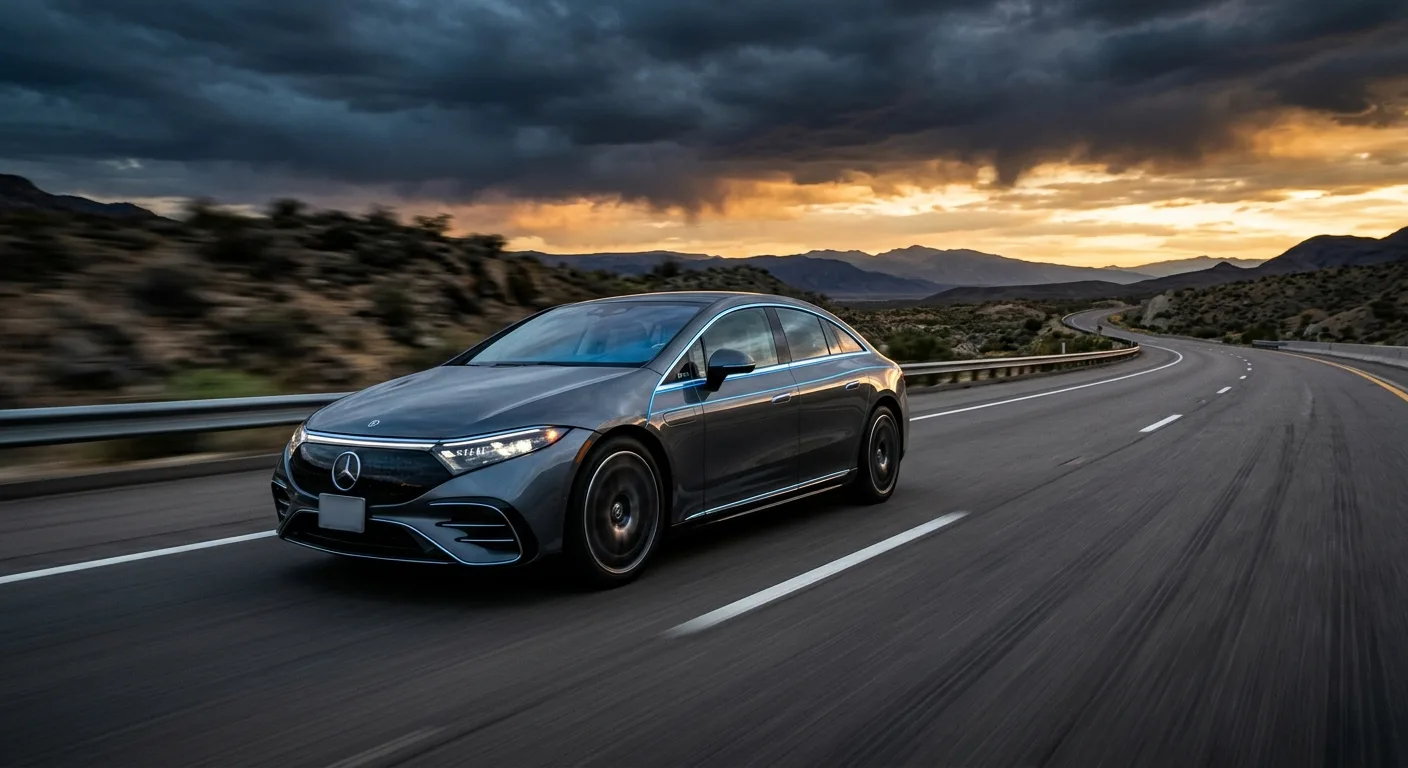
Aerodynamic drag climbs steeply with speed, so a highway cruise costs more than a steady town run. Dropping from a fast motorway pace to a slightly lower one can make a real difference, though the exact gain depends on your car and conditions.
Use cruise control on long, flat stretches so your speed stays steady. On most cars the setting is on the steering wheel or a stalk.
Tip: If your car shows live efficiency, usually in miles or km per kWh, watch it for a minute at two different speeds. The number will tell you more than any general rule.
Step 6: Use eco mode and gentle regen
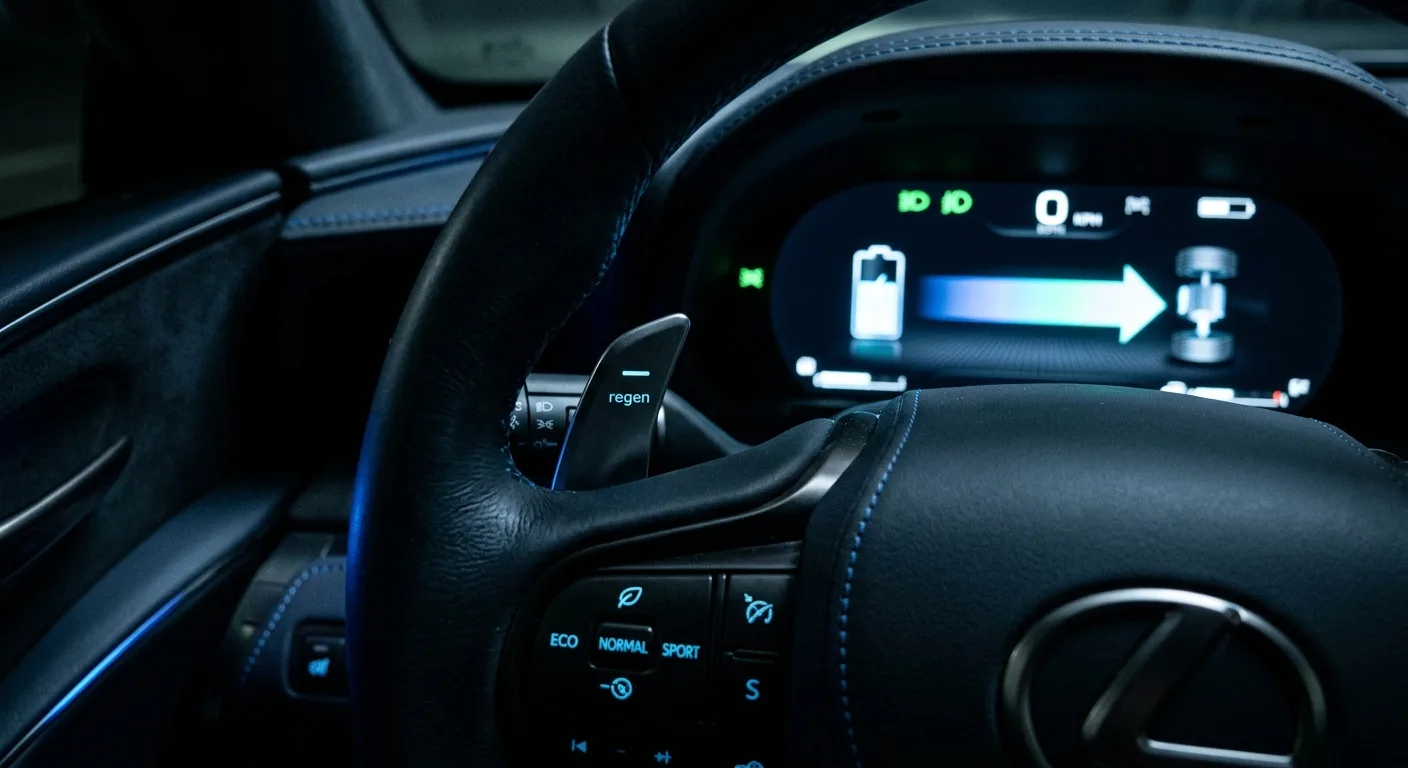
Most EVs have an eco or efficiency drive mode that softens throttle response and trims climate power. It is not magic, but it nudges your habits in the right direction. Select it before you set off; the option is usually in the drive settings menu.
Regenerative braking recovers energy when you slow down. In hot weather, a hot battery can limit how much regen is available, so don't be surprised if the car feels different on a very hot day.
Tip: Smooth inputs beat aggressive ones. Anticipate stops and lift off early rather than braking late.
Step 7: Park and store with heat in mind
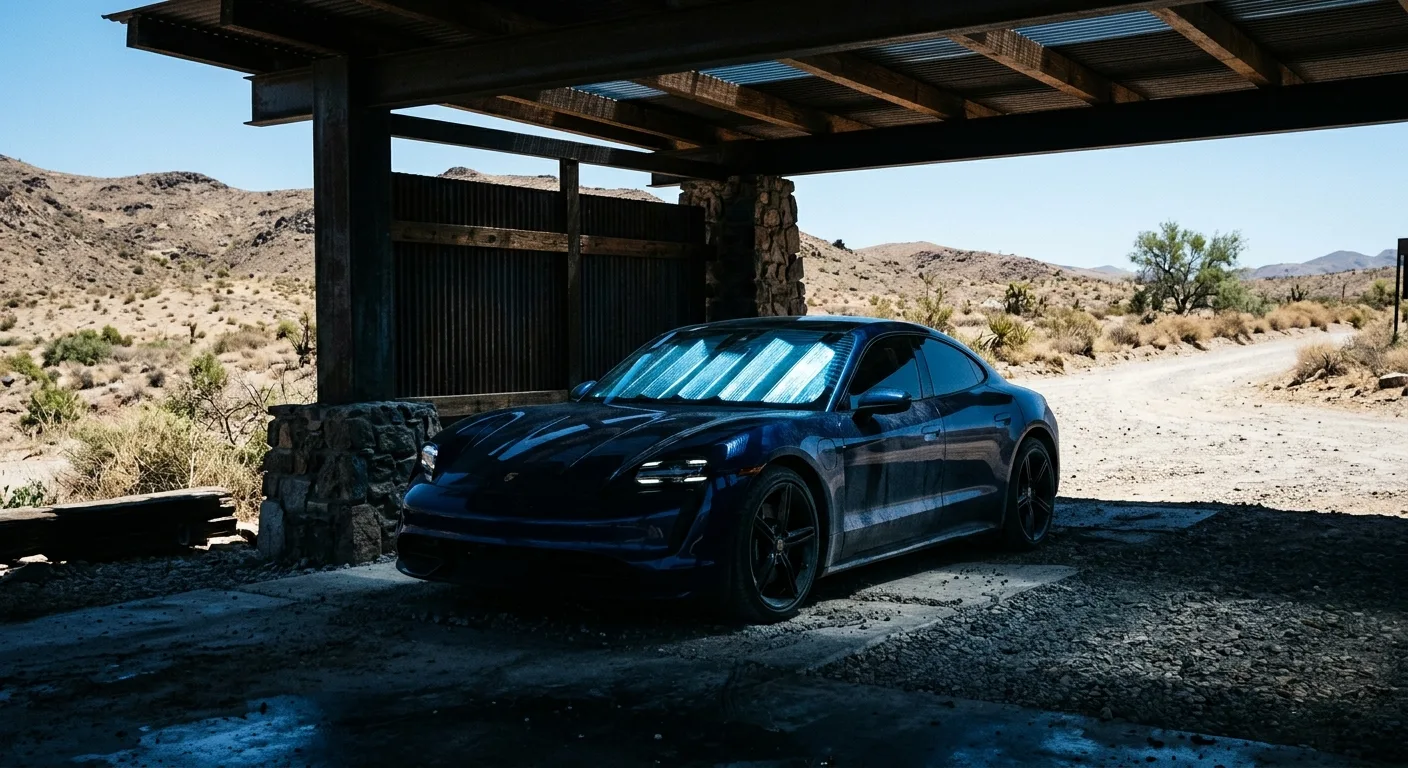
Where you leave the car matters. A shaded garage keeps the pack cooler than a sun-baked lot, which helps both range and long-term battery health. If you must park in the open, a windscreen shade and a slightly cracked window help.
If you are leaving the car for days in extreme heat, check your manual for storage guidance. Some makers suggest a mid-range state of charge for long parking. Verify the figure for your model rather than guessing.
Tip: Avoid fast charging a car that has been sitting in blazing sun if you can. Let it cool first where practical.
Step 8: Watch the battery temperature and plan around it
Many EVs show battery temperature or a thermal indicator somewhere in the menus. Keep an eye on it on very hot days, especially before a fast charge. A hot pack charges slower and, on some cars, restricts power.
If efficiency suddenly drops or the car warns about battery temperature, ease off and let it cool. Persistent warnings deserve a proper look, and the EV troubleshooting guides are a good starting point for common faults and what they mean.
Tip: Our free EV calculators and tools can help you estimate how much a given drive will cost you in energy, so you can sanity-check your real-world numbers against the theory.
Pro tips
- Precondition on the charger, not on the battery. It is the cheapest range you will ever buy.
- Recirculation plus a sunshade beats a blasting AC every time.
- Log two weeks of trips. You will spot the one habit, often speed or AC, that costs the most.
- Check tire pressures monthly. It is the least glamorous range fix and one of the most effective.
- If your car has a heat pump, it can cool more efficiently than a plain resistive system. Check whether yours has one; it can change how much AC hurts your range.
- On long trips, plan charging stops around shade and cooler hours where you can.
Common pitfalls
- Blasting the AC and expecting range to hold. Climate is a real draw. Precondition and use recirculation instead of fighting the heat with maximum cold.
- Ignoring tire pressure because "it feels fine." You cannot feel a few PSI. Use a gauge.
- Fast charging a hot battery in full sun. It is slower and harder on the pack. Cool first where you can.
- Trusting one efficiency number. Range estimates swing with temperature, terrain and driving style. Watch the trend, not a single reading.
- Assuming a warning light is nothing. If battery temperature warnings persist, stop guessing. See a qualified technician.
Useful resources
- Our EV model directory for specs and details on specific cars.
- Head-to-head EV comparisons to see how models differ on efficiency and charging.
- Free EV calculators and tools to estimate energy use and costs.
- EV diagnostic and fuse guides for safe, owner-level checks.
- The EV blog for more guides like this one.
FAQ
Does heat reduce EV range as much as cold? Cold usually hits range harder because it both slows the battery and demands cabin heating. Heat still costs you, mainly through air conditioning and battery thermal management. The size of the loss varies a lot by car and conditions, so check real-world figures for your model.
Should I charge to 100% in hot weather? Many makers recommend a lower everyday charge cap to reduce stress on the pack, especially in heat. Follow your manufacturer's guidance, since it differs by model.
Is it safe to use public fast chargers in extreme heat? Yes, the car manages its own thermal limits. It may simply charge more slowly. If the car throws a temperature warning, stop and let it cool, and see a technician if it repeats.
Can I do battery cooling work myself? No. Anything involving the high-voltage traction battery or its cooling system needs a qualified technician. Stick to tires, climate settings and charging habits.
How much can preconditioning really save? It shifts the cooling load to the wall instead of the battery, so the saving depends on how hot it is and how long you cool. The bigger win is comfort plus a cooler pack before you drive.
A final word
You do not need to baby your EV in the heat, just drive it with a bit of intention. Precondition, watch your tires, cool the cabin smartly and keep an eye on battery temperature. Do those four things and your hot-weather range will look a lot healthier. Start with one change today.