You bought an EV expecting fewer moving parts, so why does the car feel off? Maybe your range dropped 15% since last month, or there's a faint whine from the front that wasn't there before, or the 12V dash warnings keep flashing in cold weather. Most of what goes wrong on an EV is not the traction battery. It's the stuff a petrol owner would recognise: tyres, brakes, fluids, filters, and a small 12V battery that quietly runs the whole show.
This checklist covers the twelve jobs you genuinely should not skip, with a symptom-led order so you can start where it actually matters.
Symptom
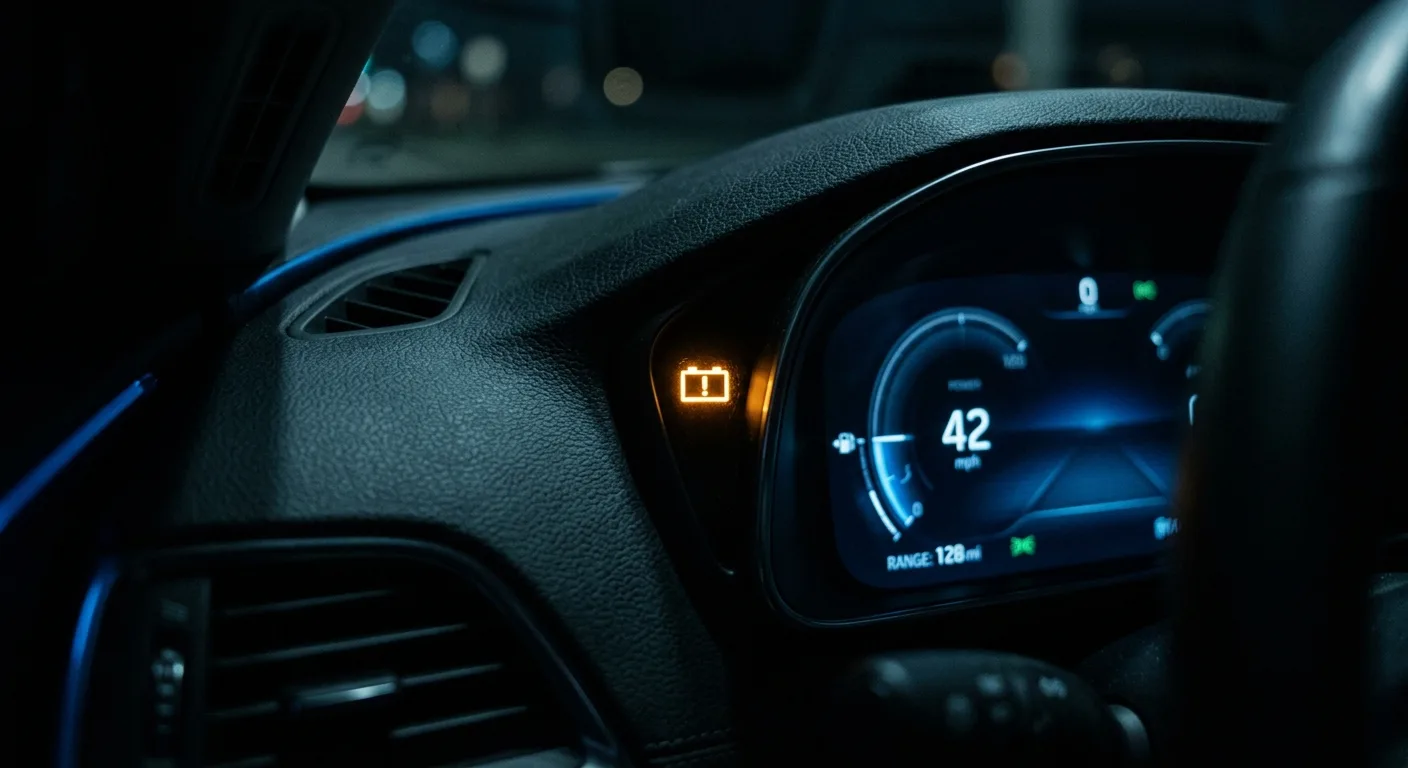
You notice one or more of these:
- Range is noticeably shorter than it was a few months ago at the same ambient temperature.
- The car sits lower or feels floaty at speed, or tyres wear unevenly across the tread.
- Brakes squeal, grab, or feel wooden, especially after weeks of one-pedal driving.
- A yellow 12V or battery warning appears on the dash.
- The cabin smells damp or the windows fog faster than they used to.
- Charging cuts out early, or the car reports a slower rate than usual at the same charger.
If any of that sounds familiar, work through the checks below in order. None of them requires touching an orange cable.
Safety first
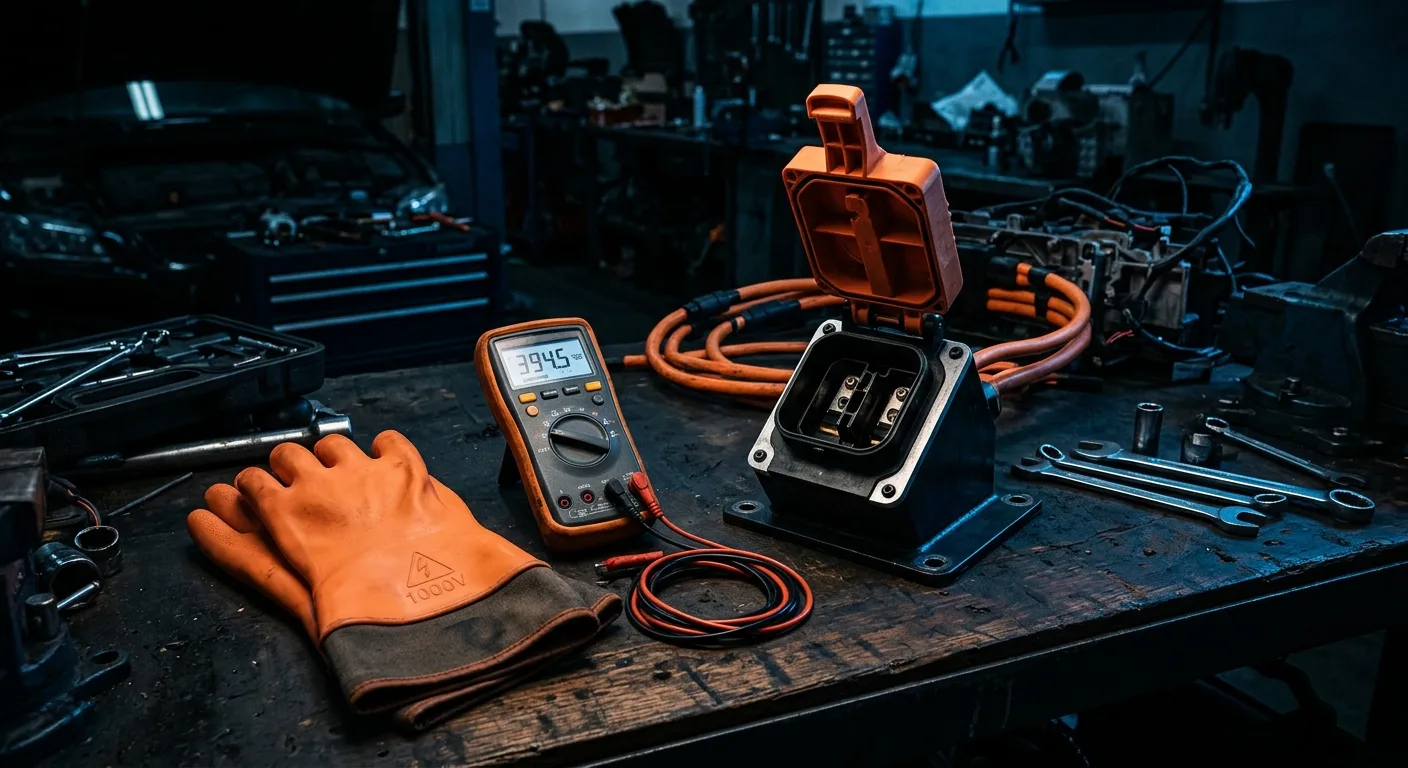
Before you do anything, switch the car off, remove the key or fob from the cabin, and let it sit for at least five minutes so modules go to sleep. Wear gloves. Work on a level, well-lit surface with the parking brake on.
Do not open, probe, disconnect, or clean anything with an orange cable, the traction battery pack, the inverter, the on-board charger, or the motor controller. Those systems run at hundreds of volts DC and can kill you even when the car is off. A qualified high-voltage technician (often the dealer or an independent EV specialist) handles all of that. If you are unsure whether a component is high-voltage, assume it is and stop.
The checks below are low-voltage (12V) and mechanical work a careful owner can do.
Check these first
- Tyre pressures, cold. Check with a gauge in the morning before you drive. Most EVs want 2.5-2.9 bar (roughly 36-42 psi); confirm your door-jamb sticker. Normal is within 0.1 bar of spec. If one tyre keeps dropping, you have a slow puncture or a leaking valve, not a range problem.
- Tread depth and evenness. Measure with a tread gauge at three points across each tyre. Anything below 1.6 mm is illegal in the UK and much of Europe, but EV weight means you want to replace around 3 mm. Uneven wear on the inner edge usually points to alignment.
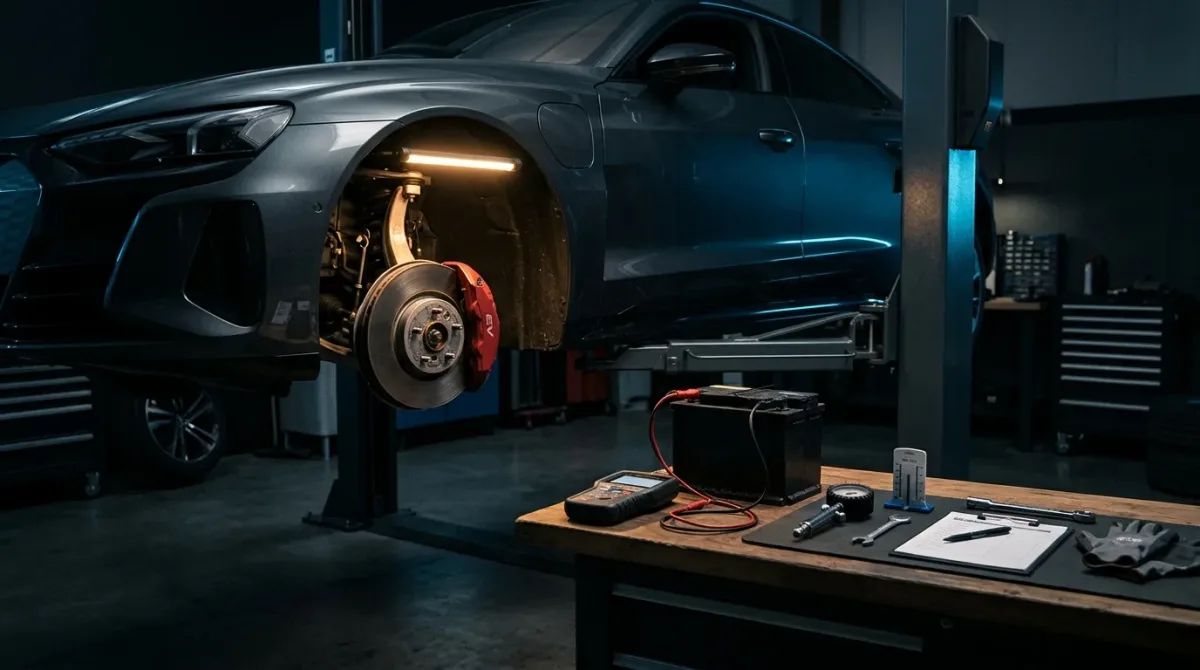
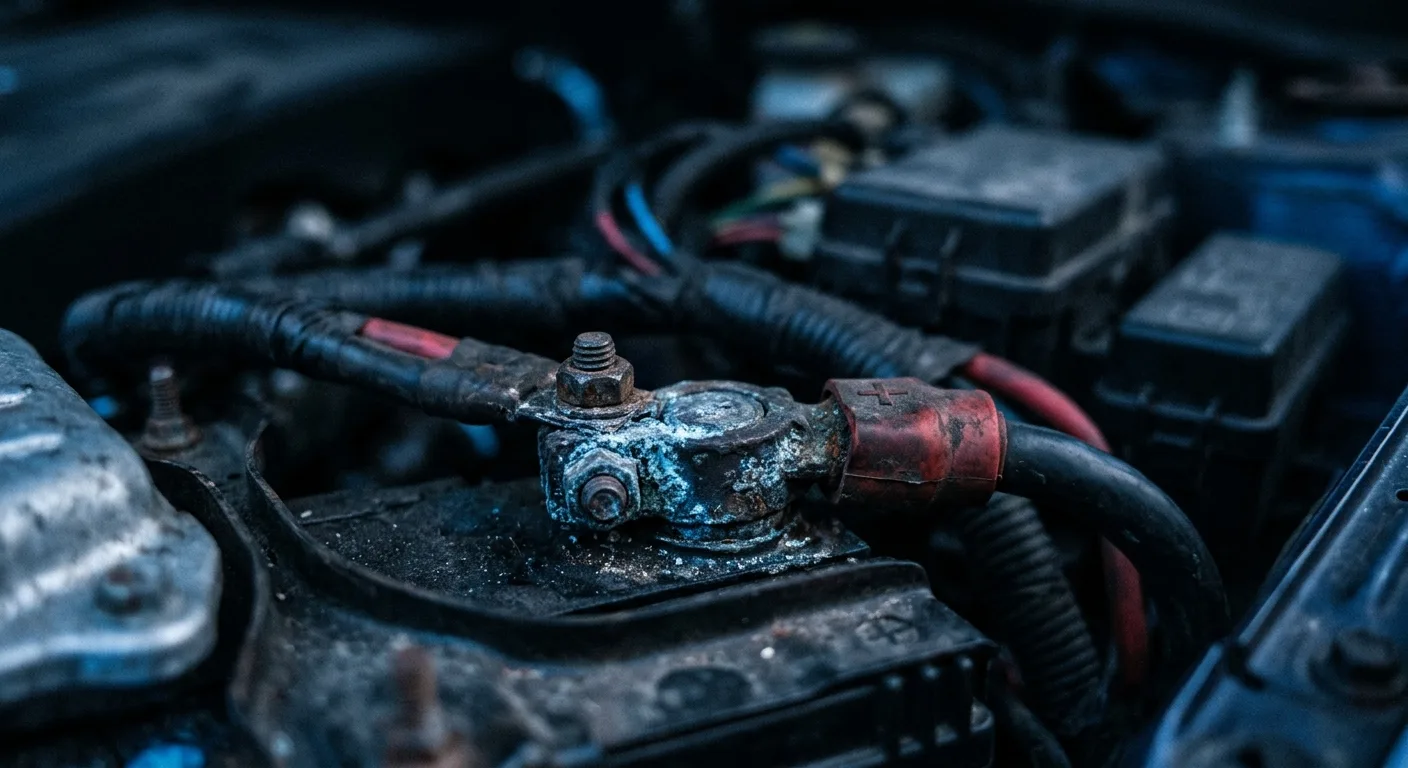
- 12V battery voltage. With the car off and asleep, expect around 12.4-12.7V. Below 12.2V suggests it is on its way out. If it drops below 12.0V after a short drive, replace it before it strands you.
- Brake discs and pads. Look through the wheel spokes. Discs should be smooth, not deeply scored or rust-banded. Pads should have at least 3 mm of material. An EV that is mostly one-pedal driven can seize its rear calipers from disuse.
- Brake fluid level. Check the reservoir under the bonnet. It should sit between the min and max lines. If it is dropping, do not top it up and forget it; find the leak.
- Coolant level (battery and motor loop). Many EVs have a separate low-temperature coolant loop with its own reservoir. Check when cold. A drop below min means a leak somewhere in the loop, and that is a garage job.
- Cabin air filter. Pull it out and hold it to a light. If you cannot see light through it, replace it. A clogged filter fogs the windows and strains the HVAC.
- Wiper blades and washer fluid. Rubber perishes in 12-18 months. Washer fluid should be a proper screenwash mix, not water, especially in winter.
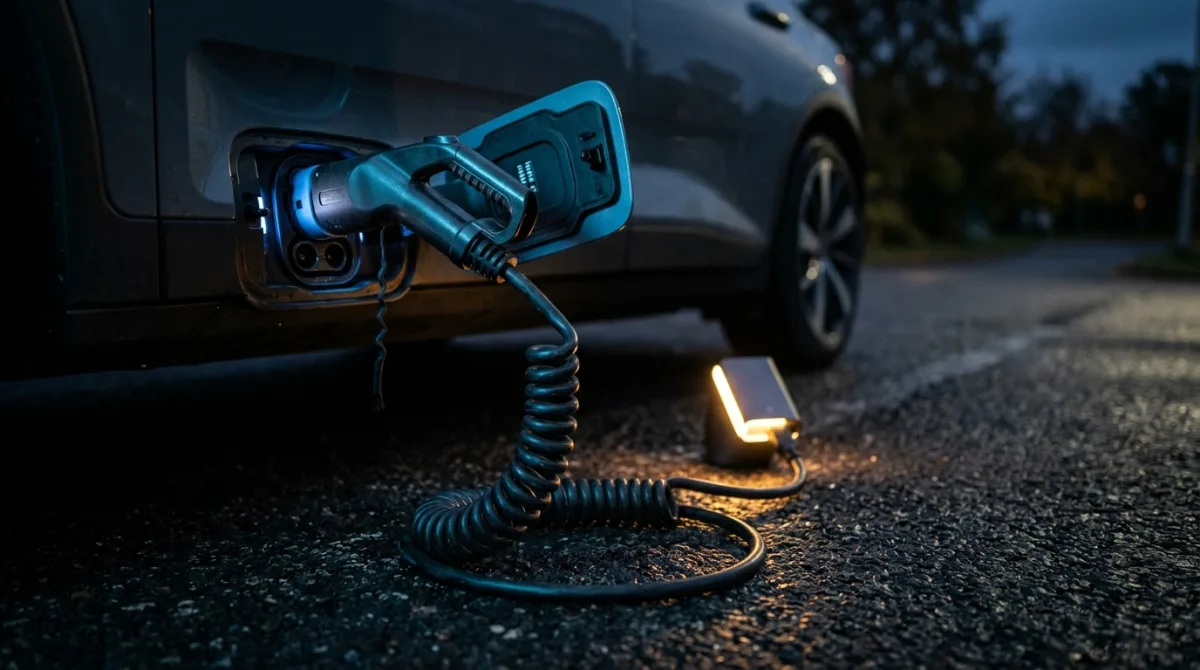
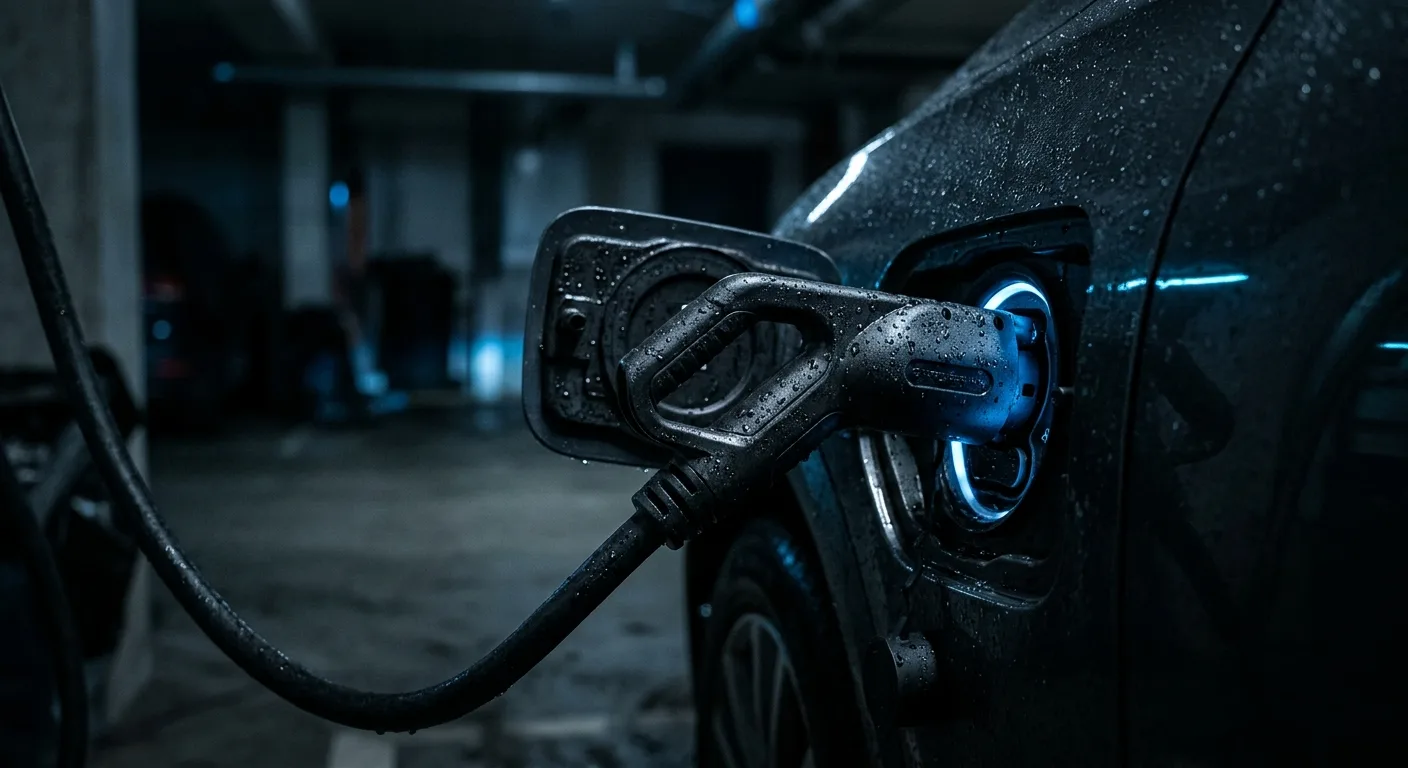
- Charging cable and port. Inspect the pins in the port and both ends of your cable for scorching, green corrosion, or bent pins. A clean, dry port is a normal port. Any sign of heat damage means stop using that cable.
- Software and charge schedule. Check the infotainment for pending updates, and confirm your charge timer is not fighting you. A schedule set to 80% by accident explains a lot of "range loss".
- Tyres rotated and alignment. Rotate front-to-back roughly every 10,000-12,000 km unless your manual says otherwise. EVs chew through front tyres faster than you expect because of instant torque.
- Underbody and battery tray inspection. Look for scrapes, dents, or hanging trim on the battery tray. A scuff is fine; a deep gouge or moisture is a stop-and-call moment.
The most likely cause
For "range dropped and the car feels different", the answer is almost never the traction battery. It is usually tyres: underinflation, uneven wear, or a cheap set with high rolling resistance. Temperature is the second biggest factor, and you cannot fix that, but you can stop blaming the pack for it.
For "warnings on the dash and the car acts oddly", the 12V battery is the usual suspect. It runs the computers, the contactors, and the low-voltage systems. When it weakens, the car throws strange faults that look like major failures but aren't.
For "brakes feel wrong", it is seized rear calipers from under-use. One-pedal driving is brilliant, but it means the friction brakes get lazy.
How to fix it
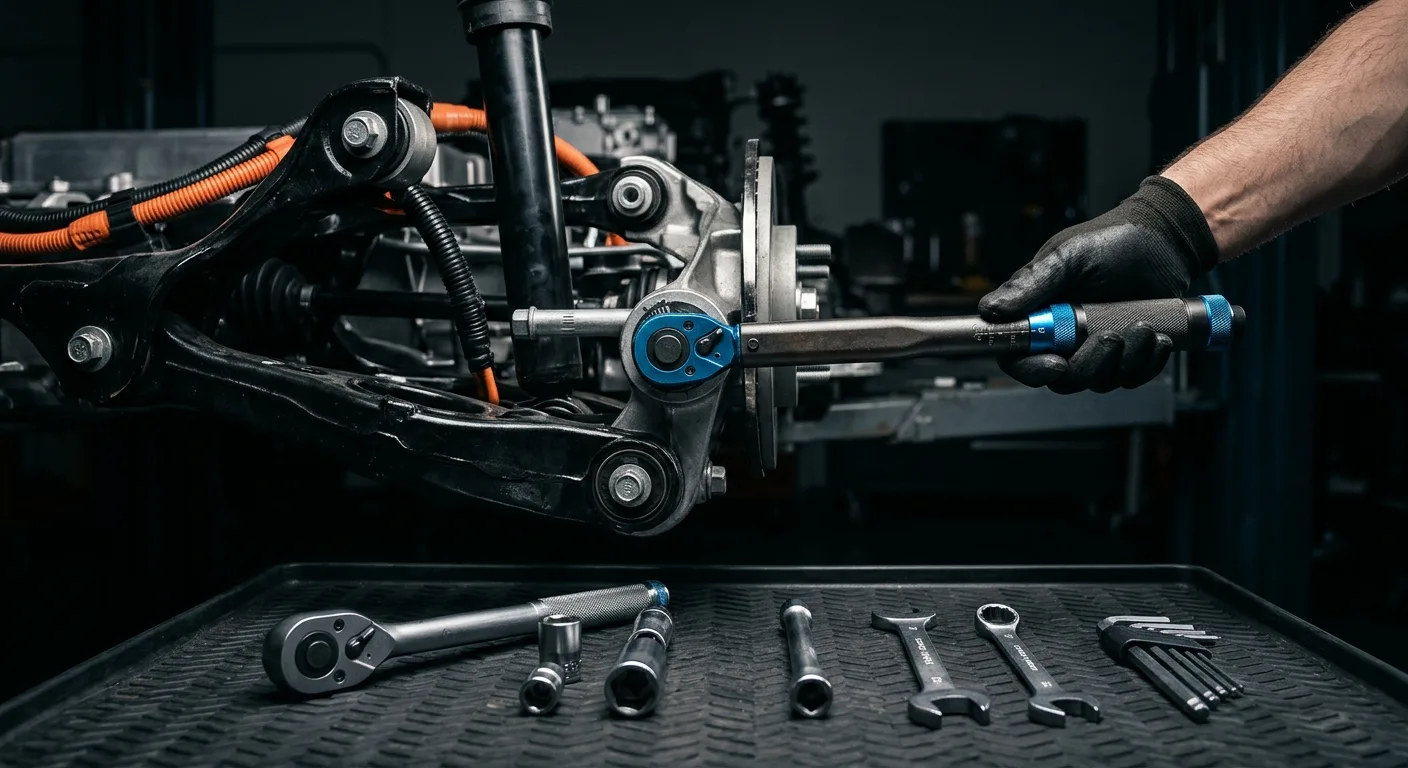
Inflate tyres to the door-jamb figure when cold, and recheck weekly for a month to spot a slow leak. Replace any tyre at 3 mm or with sidewall damage. Get a four-wheel alignment if inner or outer edges are wearing faster than the centre.
For a weak 12V battery, swap it like-for-like. Note the group size and terminal layout before you buy. On many EVs the battery lives under the bonnet or in the boot floor; disconnect negative first, then positive, and reconnect in reverse. If your model has a battery registration procedure, follow the manual or a dealer tool; skipping it can shorten the new battery's life.
Brakes: if the calipers are not seized, a few firm stops from 50 km/h in a safe, empty area will clean up light surface rust. If a caliper is seized, replace it. Do not "free it up" with a hammer.
Fluids and filters: cabin filter is a five-minute job on most models; brake fluid and coolant are best left to a garage because of bleeding procedures and the risk of airlocks. For model-specific torque figures and fluid specs, the EV model directory is a good starting point.
Charging pins: clean only with a dry, non-metallic brush. Never spray contact cleaner into the port. If pins are scorched, stop using that cable and have the port inspected.
When to see a professional
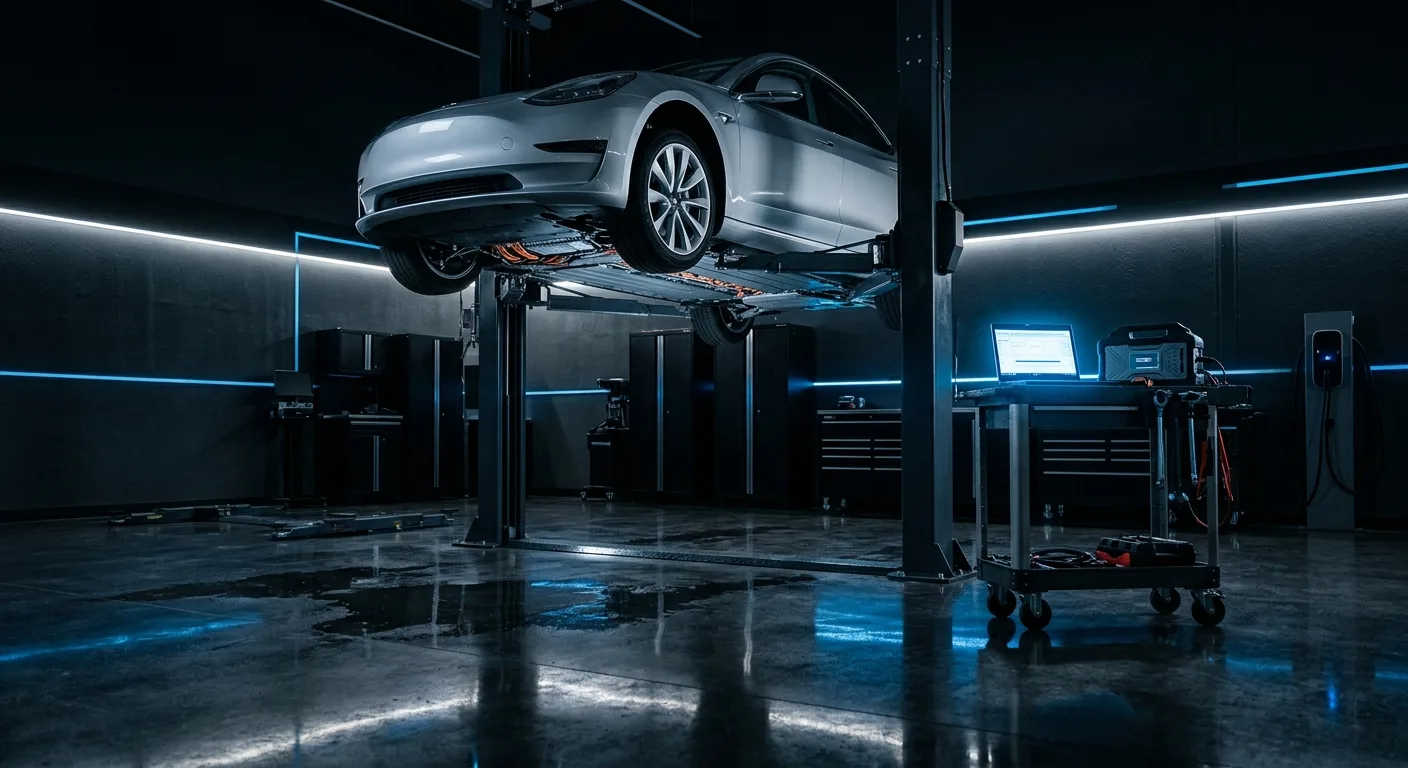
Stop and call a qualified technician if you see any of these:
- Any orange cable is damaged, exposed, or loose.
- Coolant is leaking from the battery or motor loop, or the level keeps dropping.
- The underbody shows a deep gouge, dent, or moisture around the battery tray.
- The 12V battery reads below 12.0V after charging, or warning lights persist after replacement.
- Brake fluid is dropping without an obvious leak.
- Charging stops repeatedly at the same state of charge, or the port shows heat damage.
- Any warning that mentions the high-voltage system, isolation fault, or battery temperature.
For step-by-step fault isolation on those, the EV troubleshooting guides and diagnostic and fuse guides walk through the low-voltage checks safely. If you are weighing a replacement car instead of fixing this one, the head-to-head comparisons are worth a look before you commit.
FAQ

How often should an EV be serviced? Most makers specify every 12-24 months or 15,000-30,000 km, whichever comes first. Brake fluid is typically every two years regardless of mileage. Check your own manual; the interval varies by model.
Can I check the traction battery health myself? You can read the state of health through some apps and the car's own menu, but you cannot safely test the pack itself. Treat any SOH figure as indicative and have a specialist confirm it before buying a used EV.
My range drops every winter. Is the battery failing? Almost certainly not. Cold reduces usable capacity and increases heating demand. A 20-30% winter drop is normal on many models. If summer range also falls year on year, that is worth investigating.
Do EVs need oil changes? No engine oil, but the reduction gearbox usually has oil that some makers specify changing at high mileage. Follow the manual rather than assuming it is lifetime fluid.
Is it safe to wash under the bonnet? Light spray around the edges is fine on most cars, but never pressure-wash near the high-voltage components, the inverter, or the charging port. When in doubt, wipe with a damp cloth and keep water away from orange cables.
Use the free EV calculators and tools to sanity-check range, charging costs, and running costs once the basics are sorted. A well-maintained EV with correct tyre pressures and a healthy 12V battery will quietly do exactly what the brochure promised.