Your dashboard said 240 miles last night. This morning it says 168. Nothing changed except the temperature dropped to 28°F, and now you are doing mental math on whether you can make it to work and back without a charging stop.
You are not imagining it, and your car is not broken. Cold weather genuinely cuts EV range, and the size of the hit surprises almost every new owner. The good news: most of the loss is predictable, and a big chunk of it is recoverable with a few habit changes. This guide explains why EV range drops in winter, how much you should expect to lose, and what actually helps.
How Much Range Do You Actually Lose?
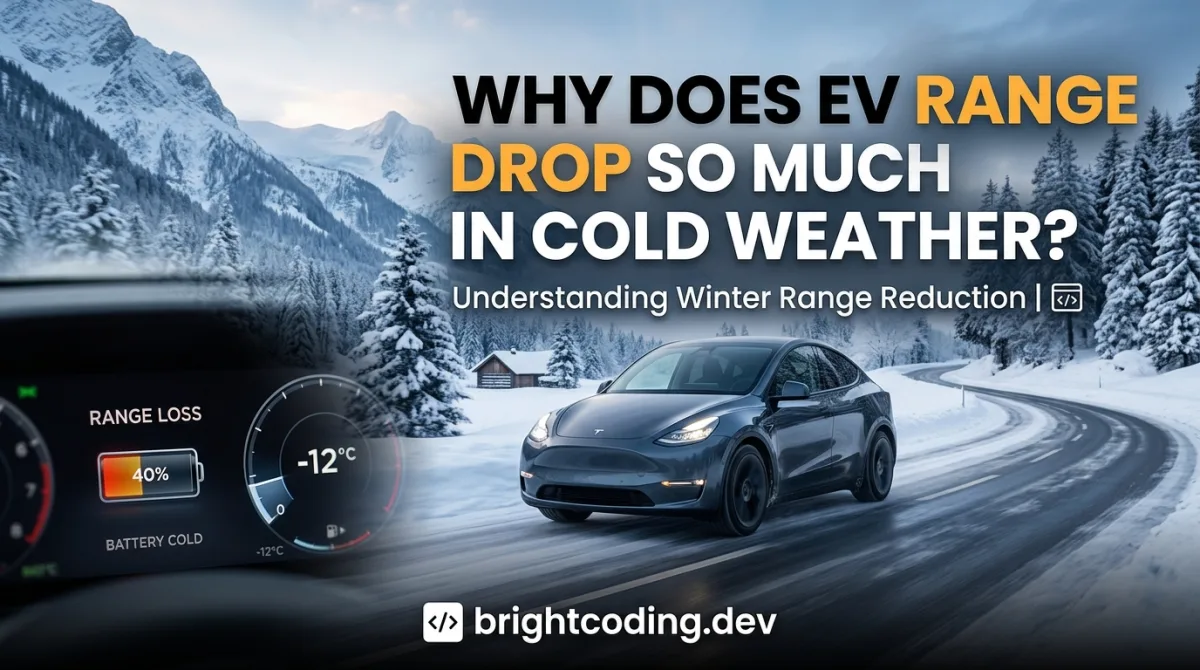
Published figures vary by model, chemistry and how you drive, but the pattern is consistent. In temperatures around freezing, many EVs lose roughly 10-20% of their rated range. Drop into the teens or single digits Fahrenheit and that loss can climb toward 30-40%. Cabin heating is the single biggest variable, which is why two drivers in identical cars can see very different numbers.
Treat those as cautious ranges, not guarantees. Your battery size, heat pump availability, driving speed and how long the car sits cold all shift the result. If you want a tighter estimate for a specific model, the EV model directory lets you check specs side by side before you commit to a winter routine.
Why Cold Weather Steals Your Range
Three separate things happen at once, and they stack.
The battery gets chemically sluggish. Lithium-ion cells rely on chemical reactions that slow down as temperature falls. Ions move less freely, internal resistance rises, and the pack simply cannot deliver or accept energy as efficiently. This is temporary and reversible. Warm the pack back up and capacity returns.
You spend energy heating the cabin. In a gas car, engine waste heat is free. An EV has no engine to scavenge from, so it makes heat electrically. Resistive heaters can pull several kilowatts, which is energy straight out of your range.
Cold air is denser, and the pack needs warming. Denser air raises aerodynamic drag at highway speed, and many cars actively heat the battery to keep it in a healthy operating window. Both draw power you would not spend in July.
Why the Guess-o-meter Overreacts
That range estimate on your dash is often pessimistic on the first cold morning. It recalculates from recent driving and current pack temperature, so a single frigid start can tank the number even if your real-world range is better than it looks. Drive for 20 minutes and watch it recover.
What Actually Helps: Your Options
1. Precondition While Plugged In
Most EVs let you warm the cabin and condition the battery while still connected to the charger. You spend grid power instead of battery power. This is the highest-value habit in the whole list.
Advantage: cabin and pack are warm before you leave, so the first miles are efficient. Disadvantage: only works if you are plugged in and your car supports it. When it makes sense: every cold morning with a home or workplace charger.
2. Lean on Seat and Steering Wheel Heaters
Heated seats and a heated wheel warm you directly for a fraction of the energy a full cabin heater uses.
Advantage: large real-world savings. Disadvantage: rear passengers may still be cold. When it makes sense: short trips and solo commutes where you can drop cabin temp a few degrees and stay comfortable.
3. Use Eco Mode and Manage Speed
Eco mode typically softens throttle response and limits heater draw. Slowing from 75 to 65 mph cuts drag meaningfully, and drag is the dominant loss at highway speed.
Advantage: free, immediate, works on any car. Disadvantage: you drive slower and the cabin may be cooler. When it makes sense: any trip where range is tight.
4. Charge Smarter, Not Just More
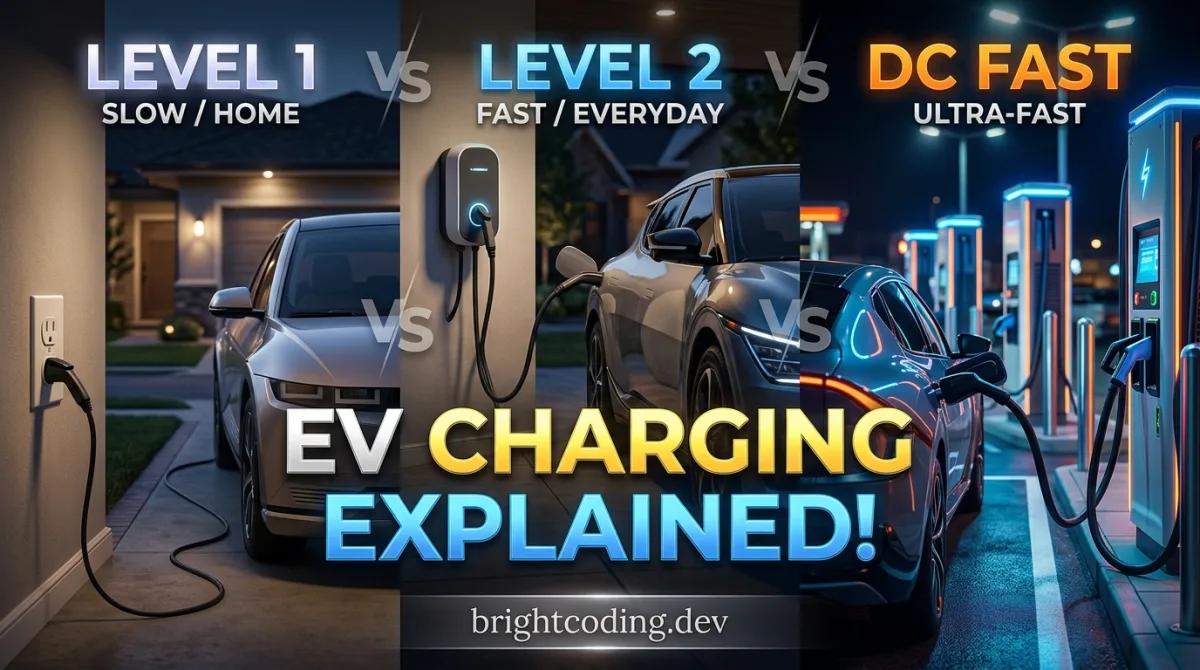
A cold pack accepts charge more slowly, so a DC fast charge that takes 25 minutes in summer can take considerably longer in winter. Arriving with a warmer battery, ideally after driving, helps. Some cars let you preheat the pack for fast charging on route.
Advantage: faster stops and less time stranded at a charger. Disadvantage: adds planning. When it makes sense: road trips in winter.
5. Know Whether Your Car Has a Heat Pump
A heat pump moves heat rather than generating it resistively, so it can cut cabin heating energy substantially compared with a basic resistive heater. Not every trim or model includes one, and it matters far more in cold climates than in mild ones.
If you are still shopping, this is exactly the kind of spec worth checking before you buy. The head-to-head EV comparisons are built for weighing criteria like this across models, and you can run your own numbers with the free EV calculators and tools to see how winter losses affect your daily commute.
Which Option Fits You?
| Situation | Best move | Why |
|---|---|---|
| Home charger, daily commute | Precondition while plugged in | Free range, zero effort once scheduled |
| No home charging | Heat pump model, eco mode, seat heaters | You cannot preheat cheaply, so reduce draw |
| Long winter road trips | Battery preheat before fast charging | Cuts charging time dramatically |
| Mild winters (rarely below freezing) | Basic habits only | Losses are modest, big changes rarely pay off |
| Very cold climate, short trips | Seat heaters over cabin heat | Resistive heating dominates short-trip losses |
Verdict
There is no single fix, because the right answer depends on where you park and how far you drive. If you have a home charger, preconditioning plus seat heaters solves most of your problem for free. If you charge at work or on the street, a heat pump and disciplined eco-mode driving matter far more. If you are buying, treat cold-weather performance as a real spec, not a footnote, and check it before you sign.
Your Winter Range Action Plan
- Plug in overnight whenever possible, even on a standard outlet.
- Schedule preconditioning 20-30 minutes before departure while still connected.
- Set cabin heat a few degrees lower and use seat and wheel heaters.
- Switch to eco mode for the cold months.
- Drop highway speed by 5-10 mph on tight-range days.
- On road trips, preheat the battery before fast charging if your car allows it.
- Recheck your real range after a few weeks of cold driving. The first estimate is usually the worst.
Common Mistakes to Avoid
- Panicking at the first cold estimate. Fix: drive 20 minutes and let the range recalculate.
- Running the cabin heater full blast on short trips. Fix: use seat heaters first.
- Fast charging a stone-cold battery and blaming the network. Fix: precondition the pack, or charge after driving.
- Leaving the car at a low state of charge in freezing weather. Fix: keep it above roughly 20% when parked cold.
- Assuming published range applies in winter. Fix: budget 20-40% less and plan charging stops.
- Ignoring tire pressure in the cold. Fix: check monthly; cold drops pressure and pressure affects range.
Expert Takeaway
Cold weather does not destroy your range; it temporarily reduces battery efficiency and adds a heating load. Preconditioning while plugged in and heating yourself instead of the whole cabin recover most of the loss, and neither costs you a cent in hardware.
FAQ
Does EV range come back when it warms up? Yes. The chemical slowdown is temporary. Once the pack warms, capacity and range return to normal.
Is it bad to drive an EV in freezing temperatures? No. Modern EVs handle cold fine. You just plan for reduced range and slower charging.
Why does my EV charge so slowly in winter? A cold battery accepts charge more slowly. Preconditioning the pack or charging after a drive speeds it up considerably.
Do heat pumps really help in cold weather? They reduce heating energy compared with resistive heaters, though their advantage shrinks in extreme cold. Check whether your specific trim includes one.
How much range should I budget for winter? A cautious 20-40% below rated range depending on temperature and driving. Verify against your own commute.
If a range or charging warning appears alongside the cold-weather drop, the EV troubleshooting guides can help you separate a normal winter dip from a genuine fault before you book a service visit.